
Tautog, also known as blackfish and affectionately abbreviated to “tog” are among the most commonly targeted inshore sportfish in the northeast, especially in the colder months of the year.
With firm, sweet white flesh, and powerful enough to put up a serious fight on light tackle, they are both fun to catch and doubly rewarding if you eat what you bring to the boat.
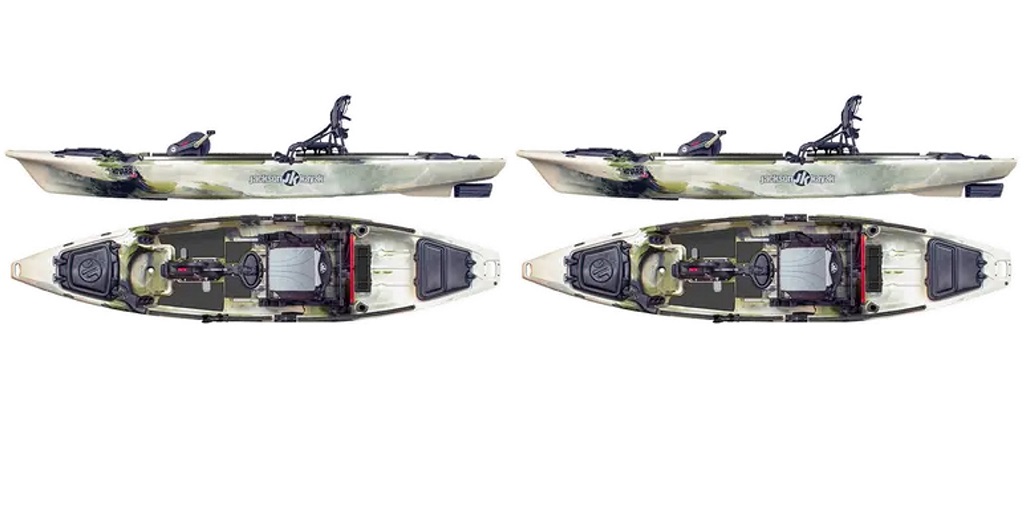
Here’s how to catch more of them from your Jackson Knarr FD, which, thanks to its stability and the power of its drive system, is more than capable of getting you over the tog.
Where to Fish
When it comes to togging, structure is the name of the game. You will catch few to no tautog unless you get right over the structure that they haunt.
What this means, specifically, is that you should target jetties, rock piles, wrecks and reefs, pilings, moorings, and bridges. If you can find hard structure, you’ll likely find tog.
Most tog hang out right around hard structure in 10 to 30 feet, but you can catch them deeper than that. Either way, you don’t need to go very deep. Proximity to structure is more important than depth.
Baits and Rigs
Tog can be caught on both cut and live bait, as well as on specialized jigs.
One of the most popular tog rigs consists of two straight-shanked hooks (like Aberdeen or baitholders, if using cut bait) on dropper loops, with a bank sinker (since these resist snagging). This basic rig is known as a “high-low” or “hi-lo” rig.
You’ll need the long-shanked hooks to avoid break-offs because tog have strong jaws and, though their teeth aren’t sharp, they have powerful jaws and can cleave right through most monofilament and even braid.
As for bait, most anglers prefer to target tog with crabs. Green crabs are the most popular, as are Asian and white-legged crabs.
Most bait shops carry green and Asian crabs, but if not, you can often find plenty of the latter by walking along the shore of the bay and flipping large flat rocks. If you’re assiduous, you can usually fill a small bucket in the space of a half-hour.
Pull off the crab’s legs and claws, then push the hook through the rear leg socket so that the point comes out the top of the carapace.
You can also fish crab-tipped tog jigs for this species.
Tog Techniques
When it comes to tog fishing, once you’ve found the fish and have your bait selected, the hardest part is actually getting one to the boat.
Tog are among the most proficient, accomplished bait thieves in the entire fishing world, and are notorious for robbing bait from rigs.
What you can’t do is set the hook as soon as you feel a bite. It’ll feel like the rod is getting scratched or is vibrating – this is the sensation of the tog eating a crab. If you set the hook at this point you’ll pull the hook right out of the tog’s mouth.
Wait till you have a few strong thumps or pulls on the rod, then set the hook hard. There’s a finesse to this, and the hard teeth of a tog definitely can turn a hook point, but once you get it down it’ll be like second nature. Just be prepared to lose a couple before you get the hang of it. It happens to all tog anglers.
Here for the Jackson Knarr?
If you’re ready to roll with tackle and just need a fishing yak that can get you out there, invest in a Jackson Knarr.
They’re fast, stable, and can help you hold a position over the structure where you need to be. To learn more about this fishing kayak (or to explore other potential options) visit No Bad Days Kayak.Their team will be more than happy to make personalized recommendations, too.
