
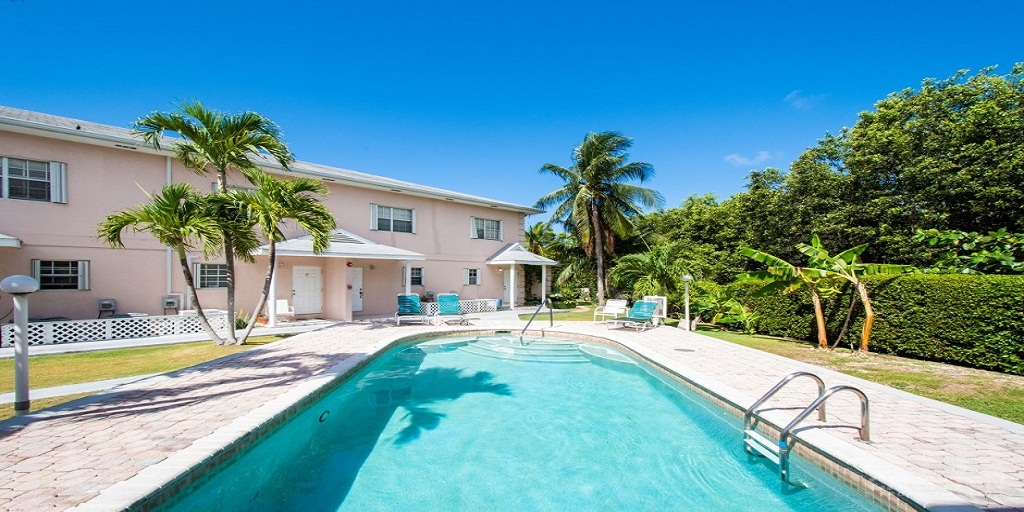
Who hasn’t had a dream of living in the Caribbean amongst the waving palm trees, brilliant sunshine, white sand beaches, and pristine turquoise waters? Unfortunately for many, this image appears to be solely a daydream and nothing more.
Well, what if we told you that you can live that reality as soon as tomorrow? Because you can. The only thing stopping you from making that vivid dream a reality is you, after all!
That’s where the Cayman Islands come in. This British overseas territory is world-renowned for its stunning natural beauty along with its modern amenities and proximity to other destinations (it is just a 70-minute flight from Miami, Florida, after all!).
For those curious about this territory as a potential relocation destination and are looking for Grand Cayman condos for sale specifically, pay close attention because we have five fun facts about the Cayman Islands that will very likely pique your interest!
1. Christopher Columbus first spotted the Cayman Islands on May 10, 1503. When he did, he noticed that there were countless turtles swimming in the waters around the islands. When he saw the Sister Islands (Cayman Brac and Little Cayman), that’s when he dubbed them “Las Tortugas,” which is Spanish for “The Turtles.”
It wasn’t until a few decades later that the Islands were officially renamed Caymanas, which was a term derived from the Carib word for the marine crocodile. The Islands once were home to the marine crocodile, hence the name choice. Now, they are simply “The Cayman Islands.”
2. There are three islands in the territory: Grand Cayman, Cayman Brac, and Little Cayman. However, there is also an unofficial fourth island: Owen Island. Owen Island is located just off the coast of Little Cayman but is completely uninhabited. Visitors can enjoy a nice picnic on the island, as there are no amenities or structures on it.
3. Grand Cayman, specifically in North Side, has a Bioluminescent Bay. The Bioluminescent Bay has Bioluminescent dinoflagellates, which is a type of plankton that illuminates because of a natural, chemical reaction called chemiluminescence. These plankton live in the sea, so when they light up, so does the water surrounding them– especially at night!
4. Little Cayman has the largest population in all of the Caribbean of two unique species: red-footed boobies and rock iguanas. Red-footed boobies are a type of seabird that has vibrant, coral-red feet and rock iguanas are a genus of Iguanidae.
5. Rock iguanas have the right of way in Little Cayman. Because they are in such high numbers in Little Cayman, there is a rule that these iguanas have the right of way when crossing the roads!
Now that you have seen these five fun facts about the Cayman Islands, you should investigate the available Grand Cayman condos for sale and find the right one for you to call home! To check out the offerings, contact Crighton Properties, one of the most diligent, knowledgeable, and passionate real estate companies in the Cayman Islands.
