
Renovating or remodeling your home can be an exciting time. Picking out the decorations, pictures, and art that you’d like to hang on your walls and choosing the perfect furniture to match the aesthetic. There’s a lot that goes into it and it can require a bit of hard work, but when you’re finished it will all be worth it. You’ll be able to show off your new living arrangements to family, friends, or any other guests you have over.
However, there is one part of the renovation process that often gets overlooked and that’s lighting. What’s the point of adding all this beautiful decor if no one is able to see it. If you take the location of your windows into consideration while you’re decorating you can make sure that natural lighting is utilized throughout your design. For any areas that you need a little extra light, there’s Halco lighting.
How to Choose The Right Lighting
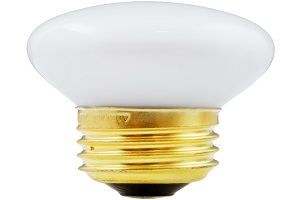
Halco lighting produces high-quality lamps and bulbs of various different lighting technologies. They have everything from LEDs to Halogens to Fluorescents. When picking out a bulb or lamp for your home, there are many things that you should keep in mind, three of the most important being lumens, wattage, and color temperature.
Lumens
Lumens are arguably the most important thing that you need to know when choosing a lighting option. Lumens are used to measure light output. Lumens may be something you’ve never heard of, but it’s fairly simple to understand and you’ll need to understand it to pick ou the perfect lights for your home. Basically, more lumens equals more brightness and it really is that simple.
Wattage
Wattage and lumens are often confused. These two both have to do with light output, but wattage measures the amount of power it takes the bulb to produce that light. Though there is a direct correlation between wattage and lumens, wattage doesn’t directly measure the amount of light that’s emitted from the bulb.
Color Temperature
If you want to describe the actual appearance of the light that’s emitted from a light bulb or any light source you can use color temperature. Generally, color temperature is measured in Kelvin and can be anywhere from 1,000K to 10,000K. Somewhere in the middle is more likely when dealing with household bulbs and lamps.
Generally, when we think of colors in terms of warm and cool, we imagine blues as cool and orange/red colors as warm. When it comes to lighting it’s the opposite. The “cool” colors will show up when the lights are not cool at all. The closer the light gets to 10,000K the bluer it will be. The same goes for the lower end of the spectrum. The lower the color temperature the more red the light.
So, f you are looking for some Halco lighting for your home, you should visit AtlantaLightBulbs.com They have a vast selection of bulbs, lamps, and other lighting accessories for sale. Visit their website today and brighten up your home.
