
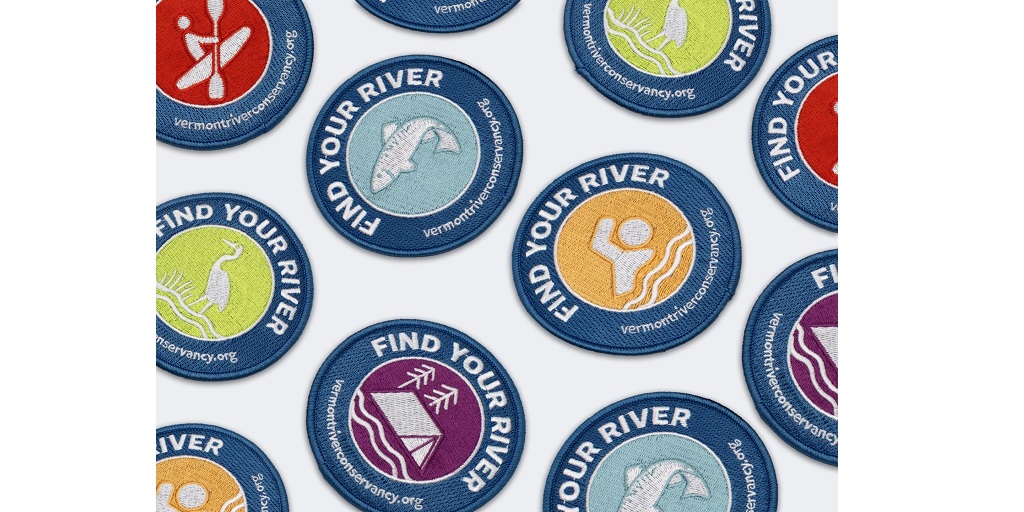
Iron on patches play a quiet but important role in how rafting outfitters run safe, organized, and flexible operations. River programs depend on seasonal staff, changing water conditions, and guides who often carry multiple certifications. In that environment, clarity matters. Visual identification helps teams move faster and work safer without adding administrative burden.
Rafting outfitters operate differently from year-round businesses. Spring snowmelt brings high water and advanced trips. Seasonal changes mean different staff roles, from summer family floats to fall training. Iron-on patches let companies update uniforms and gear easily as roles shift.
Certification Levels That Matter on the River
On the river, certifications are not abstract credentials. They determine who can lead a trip, who can sweep, and who is qualified to respond in an emergency.
Rafting outfitters use iron on patches to identify certifications such as swiftwater rescue, first aid, CPR, or trip leader status. When guides are gearing up at the put-in, supervisors can see qualifications immediately. There is no need to stop and ask or check a roster.
This visibility is especially important during high water or crowded launch times. Clear identification supports faster decisions and smoother coordination on the river.
Guide Specialization for Different Types of Trips
Rafting guides specialize in roles like technical whitewater, instruction, youth trips, or scenic floats, often rotating between these duties.
Iron on patches make those distinctions clear. A patch on a jacket, vest, or dry bag can show whether a guide is assigned as lead, safety kayaker liaison, instructor, or trainee. When assignments change, the patch system changes with them.
This modular approach keeps operations flexible. Outfitters do not need separate uniforms for each role. They update identification instead.
Seasonal Program Identification Without Replacing Gear
Rafting seasons move fast. Outfitters often run multiple programs under the same brand. Early season training, peak summer commercial trips, and shoulder-season programs may overlap.
Seasonal patches help distinguish these programs at a glance. Guides wear the same base gear but add or swap patches to reflect the current phase of operations. This keeps teams aligned without creating excess inventory.
For companies that operate in multiple river locations, patches also help identify which program or section a guide is assigned to on a given day.
Why Modularity Is Critical for Rafting Outfitters
Rafting gear takes a beating. Jackets, helmets, and vests are exposed to water, sun, abrasion, and frequent washing. Replacing branded gear every time a role changes is not practical.
Iron on patches support modular branding. They allow outfitters to maintain consistency while adapting to real operational needs. When a guide earns a new certification or moves into a leadership role, the change is visible without replacing equipment.
This approach supports both safety and cost control.
Bulk Ordering Aligns With Seasonal Hiring Cycles
Rafting outfitters hire in waves. Pre-season training cohorts arrive together. Mid-season hires fill gaps. Returning guides rejoin with expanded roles.
Bulk ordering iron on patches fits this rhythm. Outfitters can plan quantities around expected staff numbers and keep extras on hand for new hires or role changes. Designs remain consistent across seasons, reinforcing professionalism and reducing confusion.
Because staff turnover is part of the industry, having a reliable patch system in place saves time during onboarding.
What Rafting Outfitters Look for in Patch Quality
Outdoor use demands durability. Patches must withstand moisture, friction, and repeated use. Strong adhesion matters, especially on performance fabrics.
Clear stitching or weaving ensures that text and symbols remain readable over time. Consistency matters too. Outfitters rely on the same designs season after season.
Many outfitters seeking dependable, long-term patch solutions turn to Custom Woven Labels as a practical resource that supports seasonal operations without disrupting river flow.
