
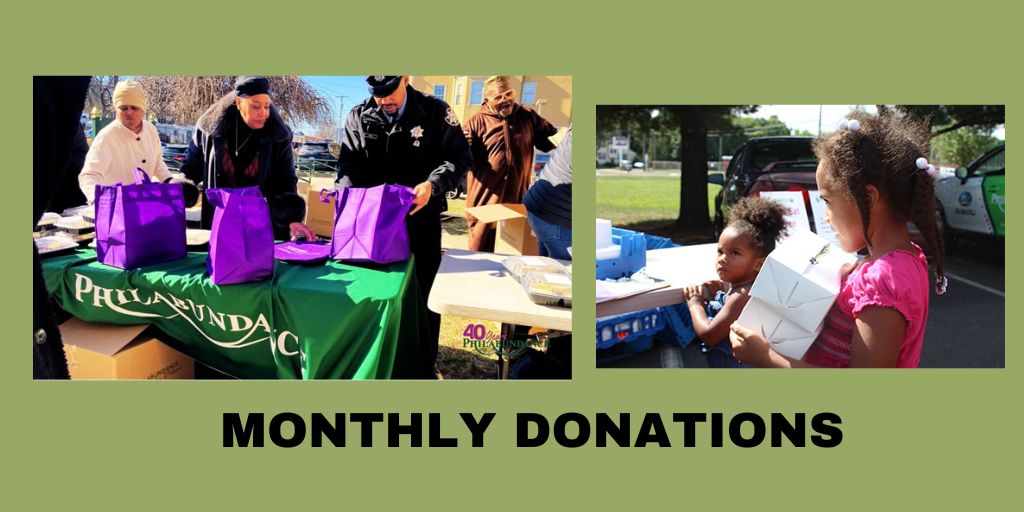
Food insecurity in Philadelphia is often discussed in terms of empty refrigerators and long lines at food pantries. What’s talked about less is the ripple effect hunger has on health. Families without steady access to nutritious food are more likely to develop chronic illnesses like diabetes, hypertension, and heart disease. These conditions come with higher healthcare costs, greater stress, and long-term strain on the local healthcare system.
This is where the power of monthly donations comes in. A steady stream of support doesn’t just fill stomachs—it helps prevent illness and reduces healthcare burdens across the city.
Hunger and Healthcare Are Connected
Research consistently shows that people who face food insecurity are more likely to rely on emergency rooms and hospital visits for conditions that could be prevented with a balanced diet. In Philadelphia, where over 15 percent of residents experience food insecurity, that connection is especially strong. Skipping meals or relying on cheap, processed foods contributes to health problems that require costly treatments later on.
When families receive fresh produce and balanced groceries on a regular basis, they have a better chance of managing their health before it reaches a crisis point. Monthly donations make it possible for organizations like Philabundance to supply consistent food deliveries that help keep communities healthier in the long run.
Why Monthly Support Matters
One-time gifts are important, but they don’t provide the stability that ongoing hunger relief requires. Chronic conditions don’t take breaks, and neither should the food supply that helps manage them. Monthly donations ensure that food banks and community programs can plan ahead, budget effectively, and keep perishable items like fruits, vegetables, and dairy products moving through their distribution systems.
Think of it this way: just $25 each month adds up to $300 over the course of a year. That’s enough to support fresh food deliveries for families at risk of health complications due to poor nutrition. With hundreds or thousands of people giving consistently, the impact grows into a reliable safety net that supports both food security and community health.
Reducing Healthcare Costs for Everyone
It’s not only the families who benefit. Reducing hunger also reduces strain on the healthcare system, which affects everyone in Philadelphia. Preventable hospital visits and long-term medical treatments drive up costs for communities as a whole. By helping families maintain healthier diets through food donations, monthly donors indirectly reduce these expenses and create a stronger city for everyone.
Building a Healthier Philadelphia
Food insecurity is more than an issue of hunger—it’s a public health problem with financial consequences that ripple far beyond the dinner table. Monthly donations give food banks the ability to meet families’ nutritional needs with consistency, helping prevent chronic illnesses that come from poor diets. That kind of long-term stability is exactly what Philadelphia needs to reduce hunger and healthcare costs at the same time.
If you’ve ever wondered how to make your giving go further, consider making a monthly donation to Philabundance. Your ongoing support won’t just feed families today—it will help build a healthier Philadelphia for tomorrow.
For more information about Food Pantry Near Me Please visit : Philabundance
