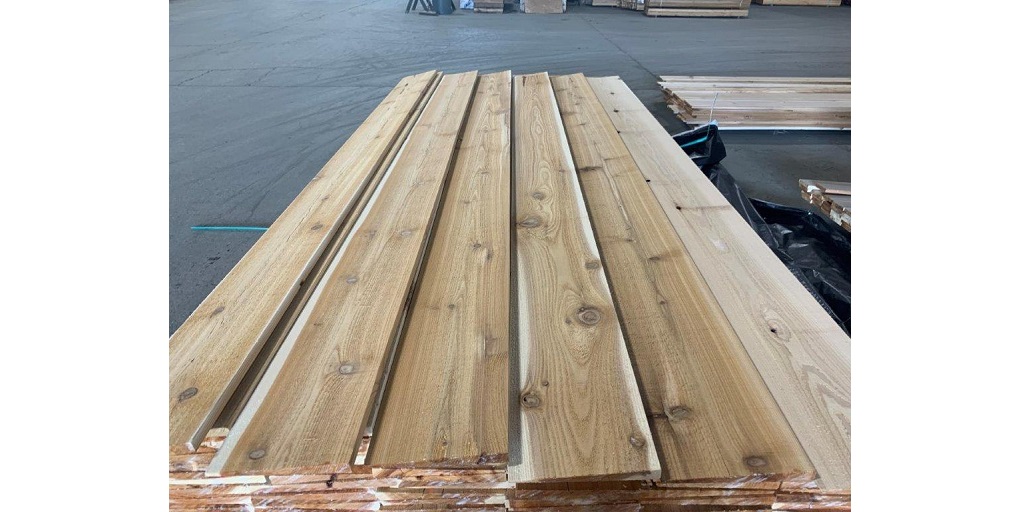
Choosing cedar siding for your home is about more than creating attractive curb appeal. For many homeowners, cedar offers a unique balance of natural beauty, durability, and timeless character that few exterior materials can match. Its warm tones, distinctive grain, and ability to complement both traditional and modern architecture have made it a popular choice for generations. Still, like any natural wood product, cedar performs best when it is properly installed and finished with the right protective coating.
Why Cedar Continues to Be a Popular Choice
A big reason people choose cedar is its appearance. Every board has its own unique grain pattern, texture, and color variation, giving a home an authentic look that manufactured materials often struggle to replicate. Whether left with a natural finish or coated with a stain, cedar brings warmth and depth to an exterior.
But it is also valued for its stability. Compared to many other wood species, cedar naturally resists shrinking and swelling when exposed to changing weather conditions. That makes it well-suited for climates with seasonal temperature and humidity changes. Many homeowners also appreciate that cedar can fit a variety of architectural styles. From coastal cottages and mountain cabins to Craftsman and contemporary homes, it blends easily into different design preferences.
Proper Installation Makes a Difference
Even the highest-quality wood performs better when installed correctly. Protecting cedar begins before the boards are attached to the home. Applying a finish to every side of each board before installation helps create more even moisture protection. Sealing the faces, edges, and ends reduces the likelihood of uneven moisture absorption, helping the wood remain straighter over time.
using fasteners and corrosion-resistant nails designed for exterior wood applications helps secure the siding while minimizing the risk of rust stains or premature failure. During installation, careful attention should be paid to joints, drainage, and ventilation so moisture can escape rather than becoming trapped behind the siding. Cut edges are vital, as freshly exposed wood absorbs moisture much more readily than finished surfaces, making it important to seal these areas before installation is completed.
Choosing the Best Finish for Cedar Siding
The ideal finish depends on what matters most to you: preserving the wood’s natural appearance or maximizing long-term protection. Transparent and lightly tinted stains highlight the natural grain beautifully. If showcasing the character of the wood is your priority, these finishes are difficult to beat. The trade-off is that they generally require more frequent maintenance because they offer less protection from sunlight and weather.
Semi-transparent stains provide a middle ground. They allow much of the wood grain to remain visible while adding additional protection against ultraviolet rays and moisture. Many homeowners find this option offers an attractive balance between appearance and maintenance.
Semi-solid and solid stains place greater emphasis on durability. These finishes contain more pigment, providing stronger protection from sun exposure while covering more of the wood’s natural variation. Although the grain becomes less pronounced, the coating often lasts longer before requiring another application.
For homeowners seeking the highest level of weather resistance, high-quality solid exterior stain systems typically provide the longest-lasting finish. They create a durable protective layer while still allowing some wood texture to show through.
Factors That Affect Your Cedar Siding
No finish lasts forever, and even your siding will go through the ravages of time. Several environmental conditions influence how quickly your siding coating weathers. Direct sunlight is one of the biggest factors, as prolonged UV exposure gradually breaks down protective finishes. Coastal environments introduce salt into the air, which can also accelerate wear. Homes surrounded by dense trees or located in damp areas may experience increased moisture, creating favorable conditions for mildew and other biological growth.
Because every home faces different environmental conditions, maintenance schedules vary. Regular inspections make it easier to identify areas that need attention before the wood itself becomes damaged.
Cedar is a good option for any home, no matter where you live. But the best finish is one that matches both your aesthetic preferences and your willingness to maintain it. A properly finished cedar siding can provide decades of beauty while protecting your home’s exterior from the elements.