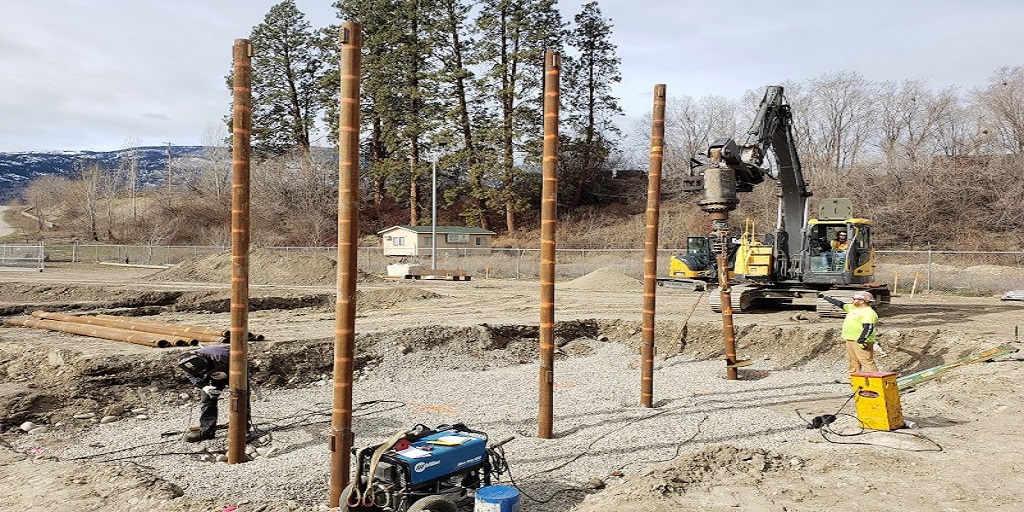
In bridge construction, innovation often happens quietly—through smarter materials, faster installation methods, and more sustainable foundation systems. Among these advancements, helical screw piles are becoming a preferred choice for engineers and developers looking for dependable, efficient, and eco-conscious foundation solutions. Their growing use in bridge projects marks a shift toward practicality, precision, and long-term resilience.
Faster Construction Timelines with Minimal Disruption
One of the biggest reasons behind this growing trend is the demand for faster construction without compromising structural stability. Traditional deep foundation systems often require heavy excavation, concrete curing time, and significant equipment mobilization.
Helical screw piles, on the other hand, can be installed rapidly using smaller machinery, minimizing site disruption and allowing other phases of the project to begin sooner. This efficiency is especially valuable for bridge construction projects that must maintain access to critical routes or limit traffic interruptions.
Precision and Predictability During Installation
Bridges rely on foundations that can handle heavy loads under dynamic conditions—traffic vibrations, water flow, and shifting soil. The torque correlation method used in installing helical screw piles provides real-time feedback on load-bearing capacity.
This means engineers can confirm the pile’s performance as it’s installed rather than waiting for later testing. The result is more accurate, consistent, and predictable outcomes—an approach that combines precision engineering with on-site adaptability.
Reliable Performance in Challenging Soils
For bridge construction in areas with difficult soil conditions, helical screw piles offer exceptional versatility. Whether the site involves soft riverbank soils, expansive clays, or unstable slopes, these piles can be advanced to reach solid, load-bearing layers.
Their screw-like design minimizes soil displacement and vibration, which is especially beneficial in environmentally sensitive areas or near existing structures. This allows bridge work to continue efficiently without causing unnecessary disruption or damage.
Supporting Sustainability Goals
Environmental responsibility is a key priority in modern infrastructure, and helical screw piles contribute significantly to sustainable construction practices. Unlike concrete foundations that require extensive material use and generate higher emissions, these piles use less steel overall and produce minimal waste.
They can also be removed and reused, supporting circular construction principles—a growing focus in the infrastructure industry. For projects targeting LEED certification or reduced carbon footprints, helical screw piles offer a practical and measurable advantage.
Quieter, Cleaner, and Safer Worksites
Bridge construction often takes place near residential neighborhoods, parks, or waterways. In such locations, limiting noise and vibration is critical. The installation of helical screw piles produces very little noise compared to impact-driven piles, and there’s no need for hammering or vibration-causing machinery.
This “quiet installation” advantage reduces community complaints, helps projects meet local noise regulations, and protects nearby wildlife and ecosystems from disturbance.
Cost Efficiency and Long-Term Value
While upfront costs may vary, the overall savings from using helical screw piles can be substantial. Shorter project durations, fewer weather-related delays, and reduced environmental mitigation measures all contribute to lower total project costs.
Additionally, modern corrosion-resistant coatings and galvanization extend the lifespan of these piles, providing long-term value and minimizing maintenance expenses for bridge owners.
The growing use of helical screw piles in bridge construction reflects an industry-wide shift toward smarter, cleaner, and more adaptable solutions. Their combination of speed, sustainability, and structural integrity positions them as a strong alternative to conventional piling systems.
For More Information About Drilling Contractor Kelowna and Best Piling Services Please Visit: ATLAS PILING.