
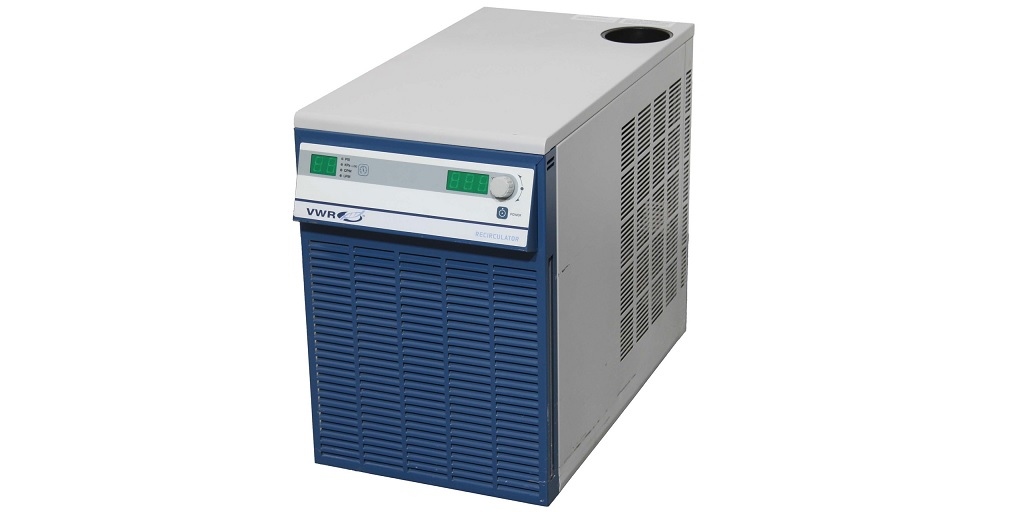
In the quest for precision in scientific endeavors, a key player often goes unnoticed: the humble circulating water bath. With its unparalleled ability to regulate temperature consistently and accurately, it’s no wonder these devices are coveted across research labs, manufacturing hubs, and healthcare institutions. Read on as we discuss the workings behind circulating water baths and why they’re the MVP in temperature control.
Understanding the Circulating Water Bath
These devices comprise a stainless-steel container where an electric heating element sits beneath the water. With the power of a pump, the bath water is continuously circulated, ensuring a uniform temperature.
Digital thermostats, often the brain behind these gadgets, are celebrated for their pinpoint accuracy. But that’s not all! Many baths-circulators also come with added bells and whistles like timers, over-temperature safeguards, and low-liquid level alerts, amplifying their safety quotient.
Accuracy: The Heart of the Matter
From hospitals to labs, circulating water baths are the go-to for uncompromised temperature precision. Need to incubate cultures? Check. Warm samples during intricate reactions? Absolutely. They even play a pivotal role in ensuring the optimal function of analytical behemoths like mass spectrometers, GCs, and HPLCs. Be it DNA amplification, enzymatic reactions, or cell culture – these baths guarantee uniformity and precision.
Simplicity at its Best
The beauty of baths-circulators lies in their user-friendliness. Installation? A breeze. Maintenance? Minimal. Adjusting the thermostat? Simply pick your desired temperature and let the device do the rest. It’s no wonder they’ve become a staple across institutions, from top-tier universities to cutting-edge hospitals.
Versatility in Function
Adaptability is another feather in their cap. Circulating water baths can play host to an array of samples and equipment. With myriad options available, researchers can handpick the bath that’s tailored to their needs, be it in terms of size, depth, or temperature range. Plus, with accessories like racks, lids, and inserts, their utility skyrockets.
The Inside Scoop on Circulating Water Baths
If you’re contemplating diving into the world of these fantastic devices, or just need a refresher, you’re in for a treat. Let’s get down to the nitty-gritty and address some burning questions (pun intended)!
Are they expensive? Cost varies based on size, features, and quality. But rest assured, options for every budget exist. For those on a tight budget, basic models offer reliability without the bells and whistles, ensuring you don’t have to compromise on quality.
On the other end of the spectrum, high-end models come packed with advanced features for those looking for the pinnacle of precision and convenience.
Temperature range? When discussing the temperature range, baths-circulators are no one-trick ponies. Some can chill to room temperature, while others heat up to a scorching 200 degrees Celsius.
Warm-up time? Typically, they reach the desired temperature in 15-30 minutes, depending on certain factors. Of course, the exact time can vary depending on the starting temperature and the volume of water, but rest assured – these devices prioritize getting your experiments on the road ASAP.
Can I use flammable liquids? Some are designed for this, but always double-check the specifications for safety.
Maintenance tips? Regular cleaning with mild detergent and water, either weekly or monthly, is advisable.
Baths-circulators are the unsung heroes of precise temperature control across myriad applications. They’re versatile, user-friendly, and vital for processes like enzyme reactions, DNA amplification, and cell culture.
Need a reliable circulating water bath provider? Look no further than HiTechTrader. Their digital shelves are brimming with top-notch options, catering to every possible laboratory or research need. Dive into their collection, and rest assured, you’re investing in quality. Visit today and let your research thrive!
