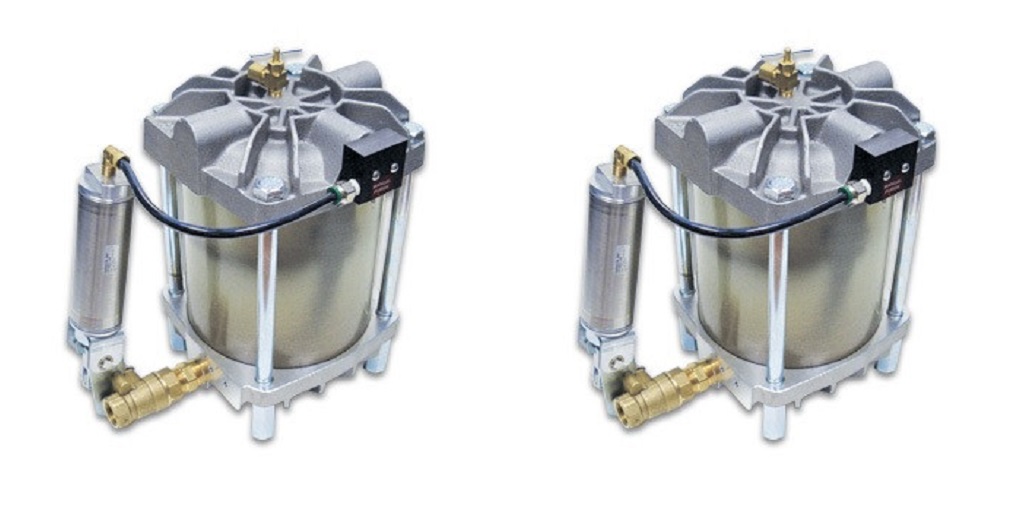
Moisture might seem like a minor nuisance, but in gas processing plants, it can cause serious damage. Whether it’s corroded pipelines, frozen valves, or off-spec gas that fails to meet sales contracts, the consequences of untreated water vapor are both operational and financial. That’s why every efficient gas processing plant is built around one essential system—the natural gas dehydrator.
The Role of a Natural Gas Dehydrator in Processing Operations
Natural gas in its raw form comes saturated with water vapor. Before it can be compressed, transported, or used, this moisture must be removed. A natural gas dehydrator is the equipment responsible for doing exactly that—reducing water content in the gas stream to safe, industry-specified levels.
In gas processing plants, dehydration is a key part of gas conditioning, especially ahead of:
- Cryogenic processing (for NGL recovery)
- Pipeline injection
- Gas compression
- Fuel gas supply for turbines
- Instrument gas systems
Moisture left unchecked can form gas hydrates (ice-like crystals that clog valves and lines), corrode internal piping, or even cause equipment malfunction—leading to unplanned shutdowns.
Different Designs for Different Duties
Not all dehydration systems are built the same, and that’s a good thing. The type of natural gas dehydrator used in a plant depends on the location, safety requirements, flow rate, and how dry the gas needs to be.
Two of the most common designs are:
- TEG (Triethylene Glycol) Dehydrators: These use a liquid glycol stream to absorb moisture from the gas. While effective, they require pumps, reboilers, and consistent fuel gas—and they emit VOCs during regeneration.
- Regenerative Desiccant Dehydrators: These use two towers filled with desiccant material (like activated alumina or molecular sieves). One tower dries the gas while the other regenerates, and they switch automatically. No glycol, no emissions—just dry gas.
For more sensitive or hazardous applications, especially where safety and emissions matter, regenerative units are often preferred.
Why Explosion-Proof Systems Like the HLSXG Stand Out
In many gas processing plants, hazardous environments are the norm. Flammable gases are present, space is tight, and equipment must be fail-safe. This is where an explosion-proof natural gas dehydrator like the Van Air Systems HLSXG makes a difference.
Designed for Class 1 Division 1 areas, the HLSXG provides:
- -40°F pressure dew point performance
- Reliable twin-tower regenerative operation
- Safe purge gas handling routed to a VRU or flare
- 12V DC and 115V AC control options
- Zero BTEX emissions and no reboiler needed
It’s a smart fit for drying fuel gas or instrument gas where ignition risks must be minimized. It also works well as a support unit alongside central dehydration systems or upstream of cryogenic processing equipment.
Supporting Not Replacing Final-Stage Dehydration
While the HLSXG is excellent for midstream and plant-side use, it’s important to note that ultra-low moisture levels—like those required before LNG liquefaction or certain cryogenic operations—still call for molecular sieve units capable of reaching dew points below -100°F.
That said, a good natural gas dehydrator like the HLSXG plays a vital supporting role. It conditions feed gas upstream, protects instrumentation, and ensures drier, more stable gas before final treatment. In many gas processing plants, it’s the first and last line of defense against water-related issues.
A reliable natural gas dehydrator isn’t just about removing moisture—it’s about protecting equipment, preserving uptime, and keeping your product within spec. For processing plants dealing with fluctuating conditions, hazardous zones, or strict environmental rules, units like the HLSXG hit the mark with efficiency and safety baked in.
To explore options built for the realities of gas processing environments, visit Air Vacuum & Process, Inc. and see which solution fits your site best.