
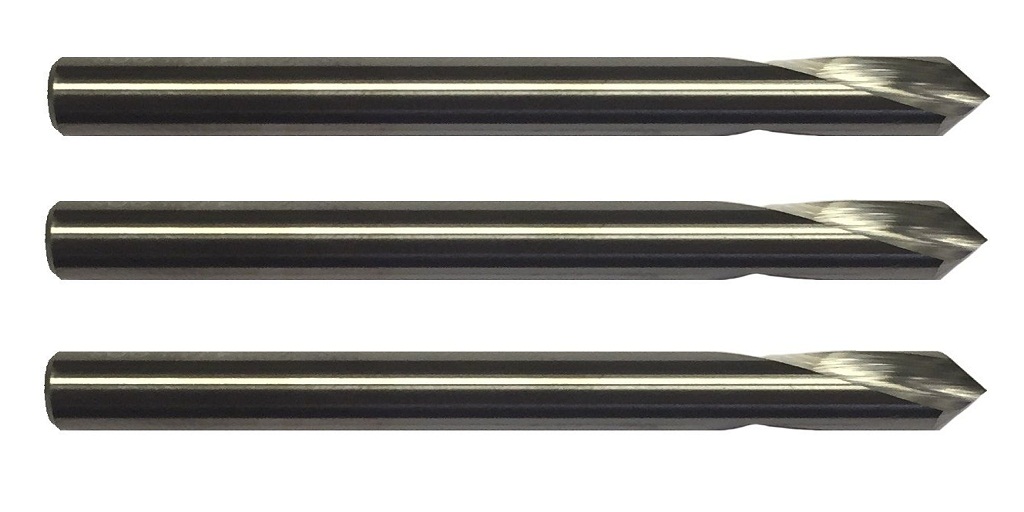
Milling machines are designed to remove material from a workpiece rapidly and accurately using special cutting tools. There are a variety of instruments available for milling various materials, however certain tasks are more difficult than side milling processes. Drilling appears to be a straightforward activity, yet it often necessitates specific attention from machine operators. Spot drills, stub length drills, and jobber length drills are commonly used to drill a precise hole.
Because drill bits aren’t the most precise instruments, drilling is quite difficult. Drill bits vibrate significantly more than other cutting tools because they are lengthy and rotate at high rates. Drill bits can easily “wander” off their mark when they come into contact with a hard enough surface to deflect the bit. When users utilize the right tools, they can prevent this problem and drill clean holes every time they need to drill into a workpiece.
Spot Drills
When it comes to precise drilling, the procedure of spotting is the first step. To mark the location of a drill site, spotting creates a small depression on the surface of a workpiece. Spot drills, unlike other drill bits, have a relatively tiny flute length that rarely extends beyond the tool’s tip. As a result, they usually only drill a “hole” the size of the tool’s point.
Larger twist drill bits will seat themselves more accurately with the dimples generated by these instruments, reducing the chance of your twist bit straying off its mark. The point angle is a crucial factor to consider when spotting. To ensure that the twist bit contacts the bottom of the spot dimple before the side, the angle of the spot drill’s tip should be greater than the angle of the twist bit’s drill point.
Stub Drills
If you are drilling a shallow fole, then a stub drill is the best choice. Stub drills are, as their name suggests, shorter than standard drill bits. The tool’s stability at high speeds is improved by the shorter length. Stub drills can be used without spotting on some materials and produce excellent results. It’s always a good idea to take a break before starting any drilling operations if you have the time.
Jobber Drills
A jobber length drill bit is the “normal” drill bit. This is usually the first size that comes to mind when thinking about a drill bit. The lengthy twisted flutes that run the length of the tool distinguish jobber bits. For drilling deep holes in your workpiece, you’ll need these tools. They are more prone to deflect off a workpiece or miss their target due to their length. This means that before using a larger jobber drill to attain your desired length, you must first use a spot drill to mark the location of a hole.
There are several drill bits to pick from when you are shopping online. Carbide, a metal and ceramic composite material, is used to make some of the best high-speed cutting tools. Carbide tools are more robust and resistant to heat than high-speed steel alloys. Online Carbide is a well-known American maker of solid carbide drill bits and milling cutters. When you visit their online store at www.onlinecarbide.com, you can see their entire product line, which includes spot drills, stub drills, and jobber drills.
