
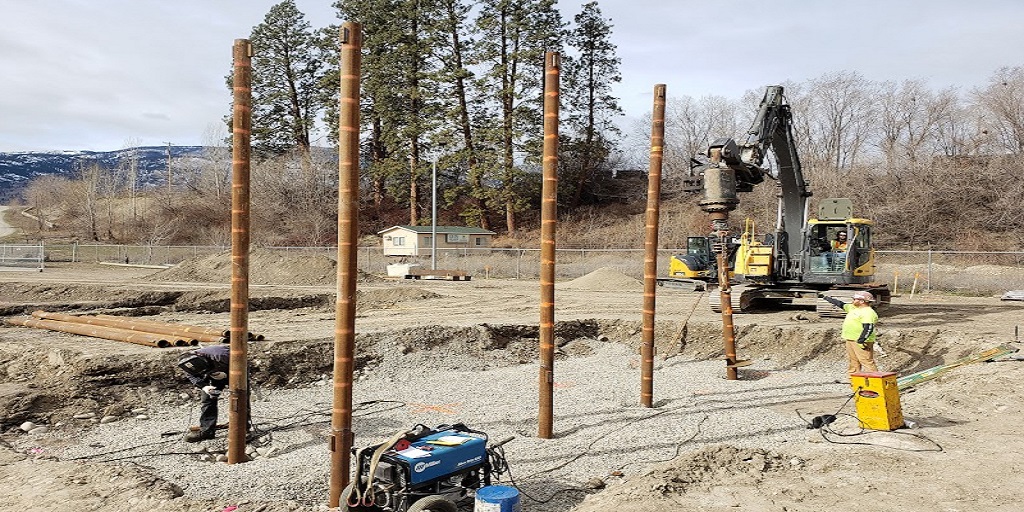
Modular homes offer flexibility, speed, and affordability—but they still require a strong foundation. One of the most efficient and reliable options available today is using helical piles. These deep-foundation solutions are well-suited for modular structures, especially in areas with soil variability, sloped lots, or where a quick installation is needed. But before bringing in a helical pile driver, there are a few critical considerations to keep in mind.
1. Site Assessment and Soil Conditions
Not all ground conditions are the same, and the performance of helical piles depends heavily on the type of soil they are driven into. Clay, sand, silt, and rock all offer different levels of resistance, which will influence the depth, size, and spacing of the piles.
An experienced installer will use soil testing data to determine the best configuration for your foundation. This step ensures that the helical pile driver achieves the proper torque—a critical measure of the pile’s load-bearing capacity.
2. Load Requirements for Modular Homes
Unlike traditional homes, modular structures are typically lighter and evenly distributed across the foundation. That doesn’t mean they require less support. Helical piles must still be designed to handle both the static weight of the home and any additional loads from snow, wind, or seismic activity.
An engineer or certified installer will calculate these factors and determine how many piles are needed and where they should be placed. Each pile’s installation is monitored to meet specific torque values, ensuring a uniform, stable base for the entire structure.
3. Local Building Codes and Permitting
Before hiring a helical pile driver, check with your local building authorities to ensure all permitting and engineering requirements are met. Many municipalities require geotechnical reports, load calculations, and certified plans before granting approval for modular home foundations.
Working with a contractor familiar with local regulations can help streamline the process and prevent costly delays. It also ensures that your foundation meets safety and performance standards, which is especially important for resale value and insurance.
4. Access and Site Conditions
Helical pile systems offer a big advantage in tight or remote areas where traditional excavation equipment can’t go. But that doesn’t mean access isn’t important. The helical pile driver—often a hydraulic drive head mounted to a small excavator or skid steer—still needs room to operate.
Ensure the site is clear of large debris and that there is a stable path for machinery to reach each pile location. In some cases, low-clearance rigs are available for sites with height restrictions, such as under existing structures or in forested lots.
5. Installation Timing
Because they don’t require curing time or excavation, they can be driven into frozen or wet ground with minimal impact to the project timeline.
This flexibility allows modular home owners to schedule foundation installation at nearly any time of year—often in a single day—without worrying about delays from weather or site conditions.
6. Post-Installation Verification
After the piles are installed, torque readings and depth logs are typically documented for each pile. This ensures they meet the engineering specs and local code requirements. Depending on your region, additional testing may be required, such as load testing or inspections by a structural engineer.
Installing a foundation with helical piles under your modular home is a smart investment in long-term stability, especially on tricky terrain or in areas with fluctuating weather. By carefully evaluating your site, load requirements, and regulatory needs—and by hiring a skilled helical pile driver—you can ensure a secure, efficient foundation that supports your modular home for decades to come.
