
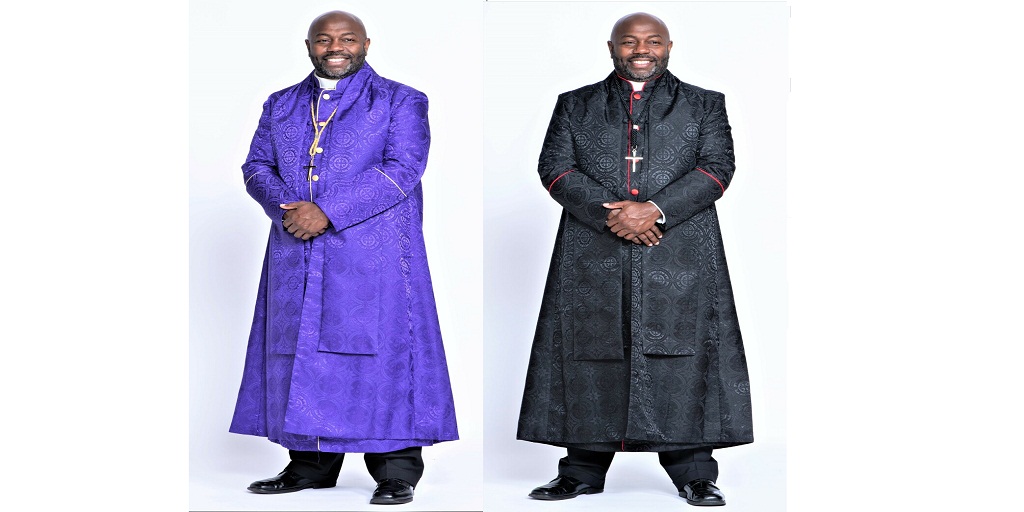
Clerical vestments, also known as liturgical attire, are the garments worn by priests of various ranks during religious services and celebrations. These clothing vary in style, color, and pattern according to the season and the events they are worn for.
Although clergy wears plain, more or less elegant clothing, clerical vestments are much more than this. Both the priest and the people he serves recognize him as a spiritual representative when he wears the garments, which have a great symbolic meaning.
As a result, the attire a priest wears during a festival must be distinct from his usual garb to be considered liturgical. As important as the prayers and gestures that form the liturgy and the myriad rites that mark religious occasions, these clothing have a holy status of their own.
Although the clerical vestments serve a variety of functions, their primary significance is found at religious celebrations, when they serve as a symbol both of the priest’s separation from ordinary life as well as his elevation to the status of Christ through the act of donning the robes. As a priest wears a priestly robe, he or she is rendered formless, ethereal, and connected to the spirit by the garment’s shape, which is generally wide and flowing.
The Alb
Alba is a simple, lightweight tunic with long sleeves that is worn to the ankles. In most cases, a rope cincture is used to secure it around the waist. Alb is short for tunica alba, which means white tunic in Latin. Albs are often composed of white or undyed cloth.
The tunic was the first piece of clothing most people donned in the morning during the first century AD in Ancient Rome. In contrast, elderly and less physically active persons wore ankle-length tunics, while those in the working class wore knee-length tunics. To keep warm, more than one tunic might be worn at once, but it was frowned upon to do so without a cincture.
The Amice
There are two cords attached to each front corner of an amice, which is a rectangular fabric embroidered with religious motifs. When it was initially used as a fashion accessory, it was worn as a necktie. In addition to being used as a head covering, people have also dragged it up higher.
Before putting on his clerical garb, a Catholic priest must put on his amice. First, he dons his amice and then his alb, as if it were a hat. They’re tied in the front and the back of his body by a series of ropes that he drags around his body. To make it appear like an amicable collar or muffler, he draws the fabric down around his neck and fastens it over his shoulders.
The Cassock
It is a simple, lightweight, ankle-length coat with long sleeves and no hood. Not a vestment, the cassock is worn by clerical staff. Surplices (a form of alb) and stoles are worn over this garment as an undergarment. Wearing a cassock is a common practice for clergy and lay worship leaders alike. Only ordained clergy are permitted to wear a stole over their surplices.
The Chasubles
An early coat worn by both men and women, the chasuble is descended from the paenula of the first century. Today, it connotes a sense of reverence and awe. It is permitted for the priest to wear the chasuble during a Eucharistic liturgy.
A stole is always paired with a chasuble. In most cases, the stole is worn beneath the chasuble. Staples and Chasubles are the equivalent of neckties and jackets for us.
If you’re in the market for elegant and quality liturgical vestments, head on over to Divinity Clergy Wear and check out their collection of the above-mentioned clerical clothing and more.
