
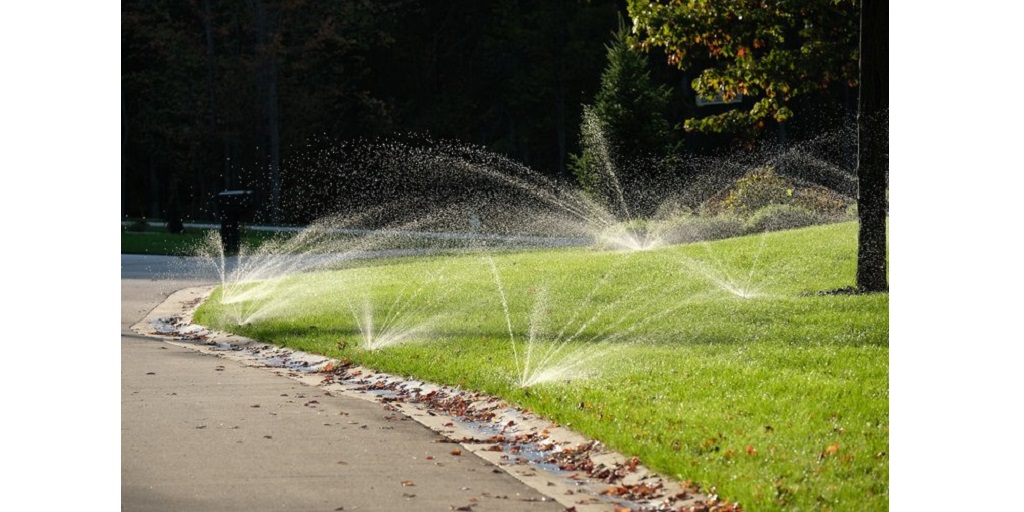
Getting a sprinkler installation done right takes more planning than most homeowners expect. The yard looks simple enough from the outside, but what’s under the surface, and how water actually moves across it, shapes every decision a contractor will make. Before anyone digs a single trench, there are a few things worth thinking through.
Reading Your Yard Before Any Sprinkler Installation Begins
No two lawns handle water the same way. Slope, soil type, sun exposure, and the variety of plants already there all affect how an irrigation system installation should be designed. Sandy soil drains much faster than clay, which means zones, head types, and run times vary depending on what’s underfoot. Flat lawns need different coverage patterns than sloped or tiered ones, and shaded areas need far less water than spots baking in full afternoon sun.
A sprinkler installation scoped without proper site analysis usually results in overwatered patches next to dry ones. Lawn sprinkler systems also need to account for what’s already planted. Trees, shrubs, flower beds, and turf all have different water requirements, and a well-designed system places each in its own zone so nothing gets drowned or neglected.
Breaking Down the Real Sprinkler Installation Budget
Automatic sprinkler cost varies more than most people realize, and the range is wide for good reason. For a standard residential property, costs typically range from $2,500 to $4,500, though larger yards or more complex layouts push that number higher. That price covers what any complete sprinkler installation requires: system design, labor, materials, backflow prevention, and controller setup. Ongoing maintenance and seasonal servicing are usually billed separately.
Residential sprinkler installation also requires a permit in most municipalities, and that step matters more than it sounds. Skipping it can create complications during future inspections or when the property is listed for sale. Reputable contractors pull the necessary permits and build that timeline into the project from the start.
Pressure Problems Sink Good Systems
Low water pressure is one of the most common reasons lawn sprinkler systems underperform after installation. A system designed without testing the home’s actual water pressure results in dry patches in some zones and oversaturated, soggy areas in others. Pipes sized for higher-pressure municipal lines don’t behave the same way on older residential connections with reduced flow. Contractors should measure both static and dynamic pressure at the meter before selecting heads and mapping out zone layouts.
Getting that data up front is what makes water-efficient irrigation work in practice, not just on paper. Systems calibrated to real pressure readings run at flow rates that cover the lawn without waste. Rotary heads, drip zones, and smart controllers all contribute to efficiency, but none of that matters if the underlying pressure can’t support the design.
Build for What Your Sprinkler Installation Will Need Next Year, Not Just Today
Long-term thinking separates a good sprinkler setup from a great one. Sprinkler system repair will eventually be part of owning any irrigation system. Heads shift out of alignment. Pipes crack during hard freezes. Controllers malfunction after a few seasons. Choosing a contractor who offers ongoing service and budgeting for occasional repairs upfront makes the difference between a system that lasts twenty years and one that deteriorates quickly.
Seasonal startup and winterization deserve a spot in the budget from day one. In colder climates, blowing out the lines before the first freeze prevents pipe damage that becomes expensive by spring. Water-efficient irrigation also requires more than a one-time setup. The system needs seasonal programming adjustments and periodic checkups to continue performing as it was designed to.
Homeowners ready to move forward with residential sprinkler installation can visit Garpiel Group to see what a professionally designed and installed system looks like from the ground up.
