
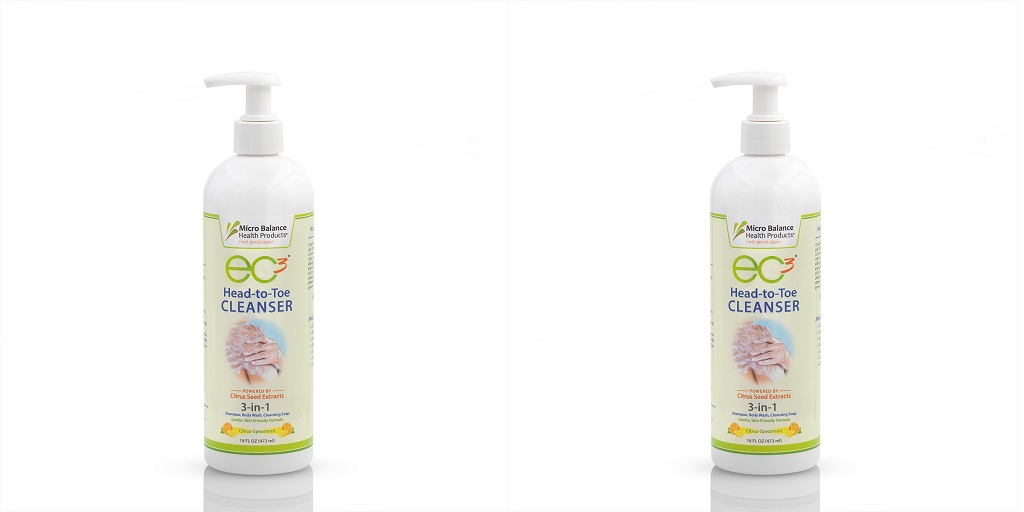
For people recovering from mold exposure, choosing the right natural shampoo can become an important part of a broader wellness routine. While hair loss has many possible causes, some individuals dealing with mold-related illness report increased hair shedding during or after prolonged exposure to mold and mycotoxins. If mold is contributing to inflammation or placing added stress on the body, addressing both personal hygiene and the home environment may support the recovery process alongside guidance from a qualified healthcare professional.
Hair Loss is a Mold Toxicity Symptom
Mold toxicity can affect people differently. Some experience fatigue, headaches, sinus congestion, or skin irritation, while others notice changes that seem less obvious at first. Hair thinning is one symptom that has been reported by some people with mold-related illness, although it is not considered a common sign. The body responds to ongoing environmental stress in complex ways, and when that stress continues over time, it may influence normal hair growth cycles. Excessive shedding can be unsettling, but identifying and addressing the underlying source is often more important than treating the symptom alone.
One area that is sometimes overlooked is the possibility that mold spores and environmental contaminants can remain on the hair and scalp after exposure. Even after leaving a moldy environment, residue may continue to come into contact with the skin until it is thoroughly washed away. A cleanser formulated with plant-based ingredients designed to help lift and rinse away mold spores, mycotoxins, and other environmental particles can become a useful addition to a daily cleansing routine. Gentle botanical formulas are especially appealing for individuals with sensitive skin or those who prefer products made without harsh chemicals, synthetic fragrances, or unnecessary additives.
Control Mold in Your Home, Not Just on Your Head
A healthier recovery plan should never focus on just one solution. If mold is present inside the home, removing the source of exposure is the most important step. Continuing to live or work in a contaminated environment can make it difficult for the body to recover fully. Professional mold inspection and remediation may be necessary when significant water damage or visible mold growth is present. Simply masking odors or cleaning surface stains without addressing the moisture problem rarely solves the issue.
Humidity control also prevents mold from returning. Indoor humidity should generally remain below levels that encourage mold growth. Using dehumidifiers in damp spaces, repairing plumbing leaks quickly, and ensuring good airflow throughout the home all help create conditions that are less favorable for mold. High-efficiency air filtration may also help reduce airborne particles and improve indoor air quality.
Supporting the body’s natural detoxification processes is another piece of the puzzle. Many people work with healthcare providers to determine whether detox supplements are appropriate for their situation. Depending on individual needs, these may include binders or nutritional supplements intended to support normal detoxification pathways. Because mold-related illness can vary widely from person to person, professional guidance is important before beginning any supplement program.
Use a Natural Shampoo or Cleanser for Daily Cleaning
Daily habits also matter more than many people realize. Washing clothing, bedding, and towels thoroughly, cleaning frequently touched surfaces, replacing contaminated items when necessary, and maintaining a clean indoor environment can all help reduce ongoing exposure. Combined with using a shampoo for gentle cleaning, healthy nutrition, adequate hydration, quality sleep, and stress management, these practices create a stronger foundation for recovery.
Healing from mold exposure often requires patience, as improvements may happen gradually rather than overnight. While hair regrowth depends on the underlying cause of the shedding, many people notice positive changes after reducing exposure and supporting overall health. Using a natural shampoo such as the EC3 Head-to-Toe Cleanser, which is formulated to help remove environmental contaminants from the hair and scalp, can complement a complete approach that includes proper home remediation, humidity control, appropriate detox strategies, and ongoing care from a trusted healthcare professional.
