
Clean water is a priority for many homeowners, but choosing the right filtration system can feel overwhelming. Two of the most popular options are an under sink water filter and a whole house filtration system. Both improve water quality, but they serve different purposes and fit different lifestyles and budgets. Understanding how each system works and what problems they solve can help you make the right choice for your home.
What Is an Under Sink Water Filter
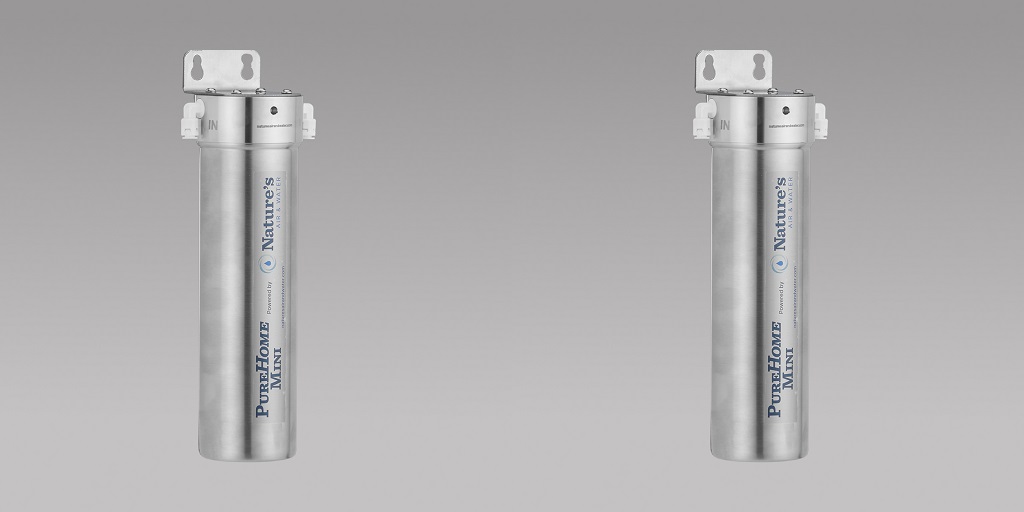
An under sink water filter is a point of use filtration system installed beneath any sink in your home. It connects directly to your cold water line and filters water before it reaches your faucet. These systems are designed to provide clean, great tasting water for drinking and cooking.
Most under sink water filter systems use multiple stages of filtration. Depending on the model, they can reduce chlorine, sediment, lead, heavy metals, chemicals, and other common contaminants found in municipal water supplies. Some advanced options also include reverse osmosis for deeper purification.
Because the filtration happens only at one faucet, these systems focus on the water you consume the most.
What Is a Whole House Filtration System
A whole house filtration system is installed where water enters your home. It filters all water flowing to every faucet, shower, appliance, and fixture. This type of system treats water for bathing, laundry, dishwashing, and drinking.
Whole house systems typically focus on removing sediment, chlorine, rust, and scale. Some models are designed to improve water softness or protect plumbing and appliances from buildup. While they improve overall water quality, they may not always provide the same level of purification for drinking water as a dedicated under sink water filter.
Key Differences in Filtration Scope
The biggest difference between an under sink water filter and a whole house filtration system is coverage.
An under sink water filter treats water at a single location. This makes it ideal for drinking, cooking, and food preparation (if you use it only in the kitchen). It targets contaminants that affect taste, odor, and safety at the tap you use most.
A whole house filtration system treats all water entering the home. This provides benefits throughout the house, especially for skin and hair health, appliance longevity, and cleaner laundry.
If your main concern is safe and great tasting drinking water, an under sink water filter is often the better option. If you want cleaner water for every use, a whole house system may be more appropriate.
Installation and Space Considerations
Under sink water filters are compact and relatively easy to install. Many homeowners choose to install them without professional help. They fit neatly inside a standard kitchen cabinet and do not require major plumbing changes.
Whole house filtration systems require more space and professional installation. They are usually installed in a basement, garage, or utility room. Installation may involve cutting into your main water line, which increases labor costs and complexity.
For apartments, condos, or smaller homes, an under sink water filter is often the more practical choice.
Maintenance and Upkeep
Under sink water filter maintenance is straightforward. Filters are typically replaced every six to twelve months, depending on usage and water quality. Because the system only filters a portion of your household water, filters tend to last longer.
Whole house systems process all water entering your home, so filters may need more frequent replacement. Some systems also require periodic backwashing or professional servicing.
Homeowners looking for low maintenance solutions often prefer under sink filtration.
Which Option Is Right for You
Choosing between an under sink water filter and a whole house filtration system depends on your needs.
An under sink water filter is ideal if you want cleaner, better tasting drinking water, have limited space, want a lower upfront cost, or live in an apartment or rental.
A whole house filtration system is better if you want improved water quality throughout your entire home, are concerned about chlorine exposure during bathing, or want to protect plumbing and appliances.
By understanding the strengths and limitations of each system, you can confidently choose the solution that best fits your household and water quality goals.
For more information about UV Pool Sanitizer Please visit: Nature’s Air and Water, LLC.