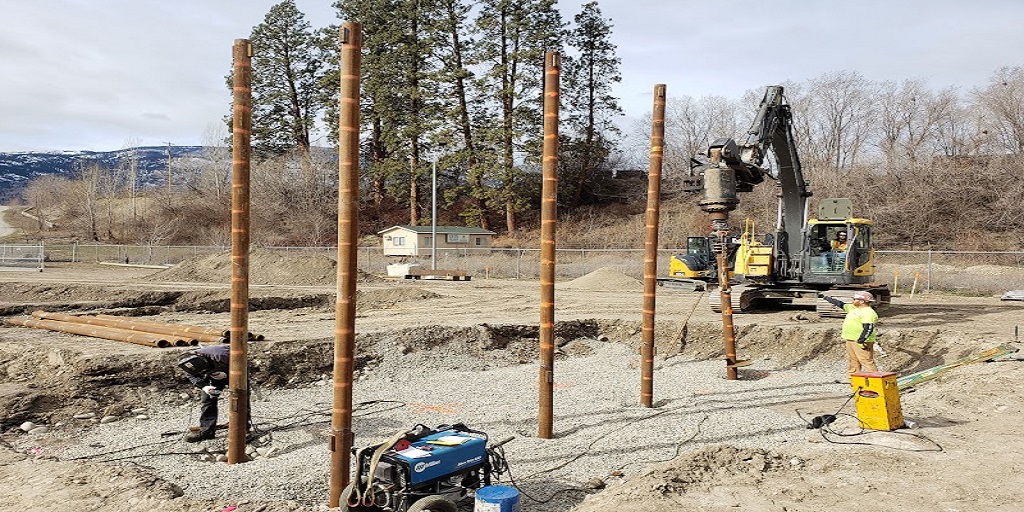
A Pile Integrity Test is a non-destructive testing method used to evaluate the soundness of piles. Piles, whether driven or cast-in-place, serve as the foundational elements that transfer the structure’s load to the ground. Over time, these piles can develop flaws due to various reasons, such as improper installation, material defects, or environmental factors. Conducting a PIT helps identify any inconsistencies, defects, or damages within the pile structure, ensuring its integrity and load-bearing capacity.
Why is the Pile Integrity Test Essential?
Conducting a Pile Integrity Test (PIT) is crucial for ensuring the reliability and safety of construction projects involving helical piles. This test offers several key benefits that contribute to the success and efficiency of the project:
- Early detection of defects. The primary advantage of conducting a Pile Integrity Test is the early detection of defects. Identifying issues like cracks, voids, or necking early in the construction phase can save time and money. This proactive approach helps prevent future structural failures that could lead to catastrophic consequences.
- Quality assurance. For projects utilizing BC Helical Piles, quality assurance is critical. The PIT ensures that each pile meets the necessary standards and specifications. This test confirms the piles’ ability to support the intended loads, providing peace of mind to engineers and stakeholders involved in the project.
- Cost efficiency. Addressing pile defects during the construction phase is far more cost-effective than dealing with structural failures later. By investing in Pile Integrity Tests, project managers can avoid costly repairs, legal liabilities, and potential safety hazards. This preventative measure ultimately contributes to the project’s overall budget efficiency.
How is the Pile Integrity Test Conducted?
The Pile Integrity Test involves several steps to ensure accurate results. Here’s a brief overview of the process:
- Preparation. The pile head is prepared by cleaning it and ensuring it is free of debris. Any irregularities are addressed to ensure accurate data collection.
- Data collection. A small hammer or impact device is used to strike the pile head. The impact generates stress waves that travel through the pile. Sensors attached to the pile head record these waves.
- Analysis. The recorded data is analyzed using specialized software. The wave patterns help identify any irregularities within the pile. Defects such as cracks or voids disrupt the wave patterns, making them detectable.
- Reporting. The results are compiled into a detailed report. This report provides insights into the pile’s condition, highlighting any areas of concern. Engineers can then make informed decisions based on the findings.
The Impact of Pile Integrity Tests on BC Helical Piles
BC helical piles are known for their versatility and strength in various construction projects. However, like any other pile type, they require regular testing to ensure their reliability. Implementing Pile Integrity Tests for BC helical piles offers several benefits:
- Enhanced safety. Ensuring the integrity of helical piles contributes to the overall safety of the structure. By identifying and addressing defects early, the risk of structural failure is minimized.
- Compliance with standards. Conducting PITs ensures that helical piles meet the required industry standards and regulations. This compliance is crucial for obtaining necessary permits and certifications for construction projects.
- Long-term performance. Regular Pile Integrity Tests contribute to the long-term performance of BC helical piles. By maintaining the piles’ integrity, the foundation’s durability and stability are enhanced, ensuring the structure’s longevity.
The Pile Integrity Test is an essential component of modern construction practices. For projects utilizing BC Helical Piles, conducting regular PITs ensures quality, safety, and compliance with industry standards. By investing in this crucial testing method, construction professionals can build structures that stand the test of time.