
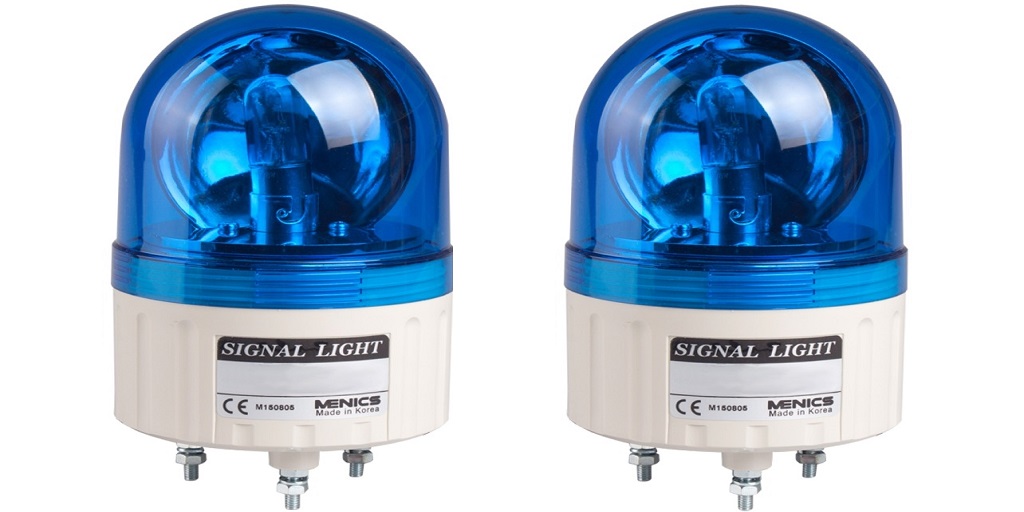
When it comes to warehouses, safety is of the utmost importance. With machines whirring, forklifts zooming past, and workers hustling to meet deadlines, accidents can happen in the blink of an eye.
This is why certain pieces of technology such as beacon lights must be utilized in order to ensure the safe and efficient operation of such facilities.
Beacon lights, for instance, are a crucial element in improving warehouse safety.
With so many moving parts and machines operating, accidents can happen when employees are not careful. That’s why many warehouses feature beacon lights to improve their safety standards and protect their employees.
In this article, we’ll explore the role of beacon lights in improving warehouse safety.
The Importance of Beacon Lights in Warehouses
The first and foremost role of beacon lights in warehouses is to alert employees to potential hazards. They are used to indicate when a machine is in operation or when a certain area is off-limits. This can help prevent accidents and reduce the risk of injury to employees.
Beacon lights can also be used to indicate when a particular item or product needs to be moved or shipped. In this way, they can help streamline warehouse operations and improve efficiency.
The Types of Beacon Lights Available
There are several types of beacon lights available, including LED or incandescent, rotating or flashing, and steady or strobe lights. Each of these types has its own set of advantages depending on the specific warehouse requirements.
For example, rotating beacon lights are ideal for drawing attention to hazards such as moving vehicles or machinery, while flashing or strobe lights are perfect for alerting employees to a fire or other emergency.
In addition, steady beacon lights can be used to indicate when a certain area is off-limits or closed for maintenance.
The Colors of Beacon Lights and their Applications
Beacon lights come in various colors, and each color is associated with a specific meaning or application.
Red beacon lights are commonly used to indicate emergencies that require immediate attention, while orange beacon lights are often used to indicate that an area is being worked on or is under construction.
Yellow or amber beacon lights are used to signal potential hazards, such as moving vehicles or heavy machinery.
Green beacon lights are used to indicate that a machine is in operation or to signal that an area is safe to enter.
Blue beacon lights are commonly used by law enforcement or other emergency responders.
Clear or white beacon lights are often used in situations where the color is not important or when there is no specific color associated with a particular hazard.
The Benefits of Beacon Lights in Improving Warehouse Safety
Beacon lights can help improve warehouse safety in a number of ways. Firstly, they can help reduce the risk of accidents and injuries by alerting employees to potential hazards. They can also help improve warehouse operations by streamlining the movement of products and materials.
In addition, they can help reduce the risk of theft or loss by indicating when a certain area is off-limits or closed for maintenance.
Purchase Online at Products For Automation
Beacon lights play a vital role in warehouse management and safety. They can help prevent accidents and injuries, improve efficiency, and streamline warehouse operations.
ProductsforAutomation.com offers a wide selection of beacon lights to meet the unique requirements of your warehouse. Whether you need LED or incandescent, rotating or flashing, or steady or strobe lights, they have the products you need to ensure the safety of your employees and the efficiency of your warehouse operations.
Contact them today to learn more about their products and services.
