
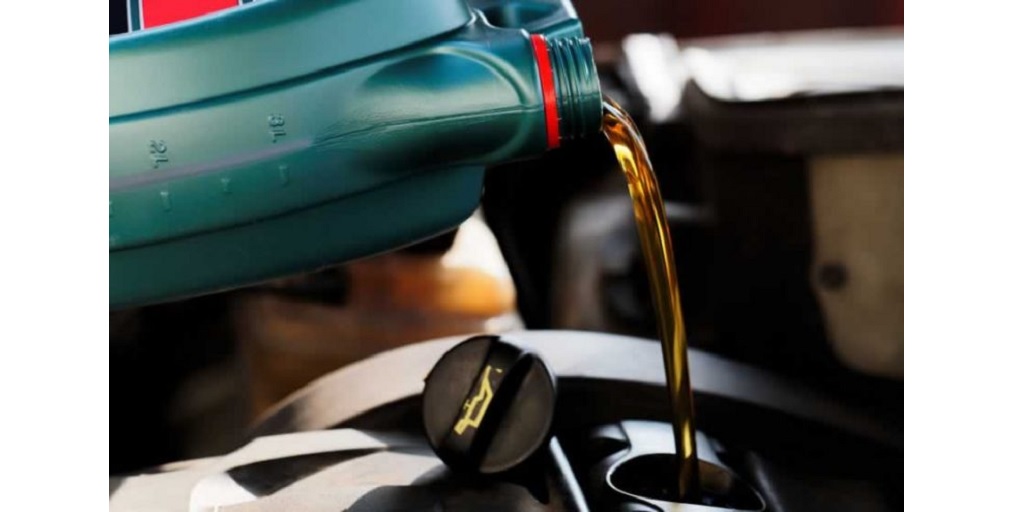
Among the portfolio of regular maintenance tasks for your vehicle, oil change is a crucial routine to ensure the longevity and health of the engine. Neglecting oil changes might lead to expensive repairs and premature engine failure. Here we explore how oil functions within your engine and also discuss the benefits of keeping it clean and fresh so that you will understand and appreciate the importance of oil change services.
Lubrication: Reducing Friction and Wear
Engine oil does the job of lubricating the various moving parts we find within the engine, such as pistons, crankshafts, and valves. Because these components move at high speeds, friction is generated, causing overheating and metal-on-metal wear. The primary objective of lubrication is to prevent this to the extent possible. However, over time, oil breaks down and gets contaminated with dirt, dust, and debris. When the oil is degraded, it can’t lubricate the engine effectively. Therefore, the internal friction increases leading to the parts wearing out faster. Through regular oil changes, we can ensure that fresh oil circulates always, thereby reducing wear and extending the engine’s life.
Temperature Regulation
In addition to lubricating the engine parts, one another role played by engine oil is regulating its temperature. While circulating inside the engine, the oil absorbs and redistributes the heat generated by the engine’s components. When the oil is degraded or when the levels of oil come down, the engine can overheat, leading to serious damage. Fresh oil helps in maintaining a stable temperature, preventing overheating and maintaining optimal engine performance.
Improved Fuel Efficiency
Clean oil ensures that the engine runs smoothly and efficiently. When the oil is contaminated, it thickens. As a result, the engine is forced to work harder to move its components. This increased strain on the engine leads to higher fuel consumption. Regular oil change can help improve fuel efficiency, thereby saving money on gas in the long run. If the engine is well lubricated, it does not have to overwork, which means you get better mileage and cause lower emissions.
Preventing Sludge and Corrosion
Aging leads to breaking down of the oil into sludge, especially under harsh driving conditions like stop-and-go traffic or extreme weather. Sludge buildup will lead to blocking of oil flow, which deprives the engine parts of lubrication and causing significant damage. Also, oil contaminated with moisture or acidic compounds will also promote corrosion inside the engine. As regular oil change can remove these harmful substances before they can accumulate, this practice helps prevent sludge and corrosion.
Take Away
Neglecting oil change can lead to expensive repairs down the line. Routine oil changes done with the help of oil change services can ensures that your engine remains in top condition.
