
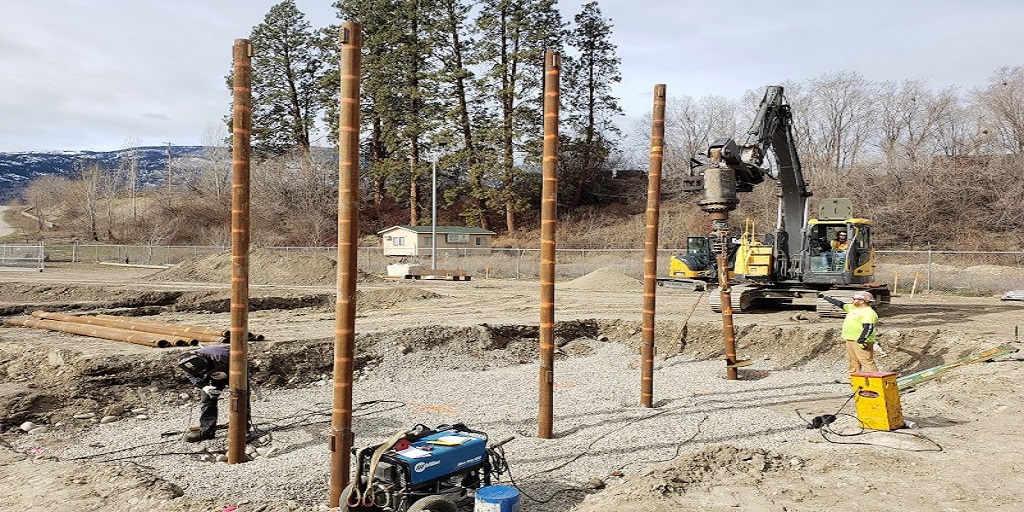
Building in remote or difficult-to-access areas comes with unique challenges. Transportation delays, limited equipment availability, and unpredictable soil conditions can all add complexity to a project. For many contractors, the solution has been to turn to helical piles—a foundation system that simplifies installation while minimizing logistical hurdles. Searching for helical pile installers near me often leads project managers to specialized teams who know how to adapt these foundations to tough environments.
Why Remote Sites Pose Extra Difficulties
Remote construction projects often face higher risks and costs due to access limitations. Heavy concrete deliveries may not be feasible, especially if the nearest supplier is hours away. Weather conditions can also disrupt transportation schedules, making it difficult to pour and cure concrete on time. These delays don’t just impact budgets—they can stall the entire project.
Contractors working on infrastructure, energy facilities, cabins, or industrial sites in isolated regions need a foundation system that is less dependent on complex logistics. Helical piles provide that flexibility.
Speed of Installation
One of the most valuable advantages of helical piles is their efficiency. Traditional foundations can require extensive excavation, curing times, and large machinery. Helical piles, on the other hand, can be installed with relatively compact equipment and often in a fraction of the time.
For crews working on remote terrain—whether it’s rocky, sandy, or soft—this speed means projects stay on track despite unpredictable delays. Many who search for helical pile installers near me are looking for precisely this: a foundation solution that keeps timelines under control, even in the most difficult locations.
Lower Transportation Costs
Transporting materials into remote areas can quickly inflate project costs. Large amounts of concrete, rebar, and specialized machinery often require multiple trips, which may not even be possible if the access roads are limited. Helical piles, being steel shafts with helical plates, are easier to transport in bulk and require fewer support materials.
This reduction in logistical demands doesn’t just save money—it also lessens the environmental impact of hauling heavy materials through delicate ecosystems. More and more contractors appreciate this advantage when selecting their foundation system for remote builds.
Adaptability to Uncertain Soil Conditions
Remote sites frequently lack detailed geotechnical reports. Contractors may not know exactly what kind of soil they’ll encounter until work begins. Helical piles are uniquely adaptable to these conditions because they can be installed to varying depths to achieve the required load-bearing capacity.
Unlike poured foundations, which depend on consistent soil conditions, helical piles allow for on-the-spot adjustments. Experienced teams that show up in your search for helical pile installers near me understand how to make these adjustments efficiently, ensuring structural stability without costly redesigns.
Choosing the Right Installer
Even the best foundation system requires skilled installation. That’s why searching for helical pile installers near me is such an important step for contractors planning remote projects. Experienced installers bring not only technical knowledge but also the foresight to anticipate and solve logistical problems before they escalate.
The right team will understand how to stage deliveries, adapt installation methods to terrain, and ensure the project stays on schedule. In remote areas, this expertise can make the difference between a smooth build and one plagued by costly setbacks.
When the terrain is tough and logistics seem daunting, the right installation team can turn obstacles into opportunities, ensuring that projects finish strong—even in the most remote places.
For More Information About Expert Pile Drilling Contractors and Best Piling Services Please Visit: ATLAS PILING.
