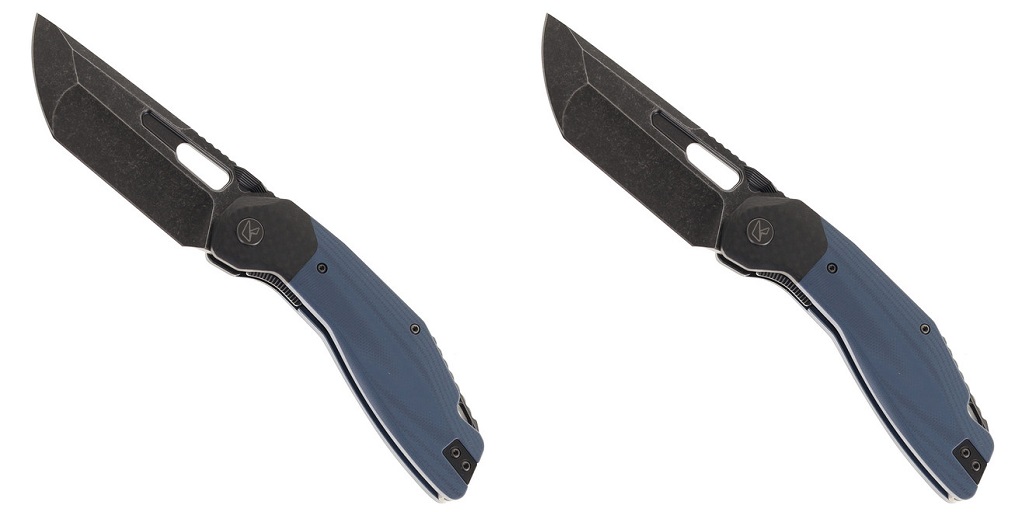
There was a time when the vast majority of folding pocket knives did not have locks. Most of these were either a type of folding pocket knife called a friction folder or else were made with slipjoint mechanisms in one of several popular traditional patterns. Some of these were sowbelly, stockman, congress, canoe, and trapper knives, among others.
Today, the market abounds with folding pocket knives that are equipped with locking mechanisms, such as liner locks, frame locks, lock backs, button locks, and bar locks, among others.
But which is for you? This short guide should help.
The Benefits of a Locking Folding Pocket Knife
Thinking you should get a folding pocket knife with a locking mechanism? Here are some good reasons why.
- Strictly speaking, a folding pocket knife that has a lock is safer. You can use a locking folder for rougher tasks and even apply light pressure to the back of the blade without the risk of it folding on your fingers and injuring you.
- Some locking folders are durable enough to fill the role of a small fixed blade.
- There is a great deal of variety in locking folders, inclusive of liner locks, frame locks, lock backs, bar locks, button locks, collar locks, and other proprietary lock mechanisms like Compression locks. Some of these can be operated with one hand.
- Simply put, locking knives offer a greater degree of stability.
- While many locks require the use of two hands, some only require one hand and enable you to disengage the lock and close the blade while keeping both hands completely out of the path of the blade.
- Some knives have locking mechanisms (like collar locks) that can be removed, which renders them legal for carry in areas that have laws against carrying locking knives.
On the Virtues of Slipjoints and Friction Folders
Not sure if a locking folder is for you? Consider these counterpoints which tout the virtues of folders that lack locks.
- A folding pocket knife without a lock is a more traditional offering. Most traditional pocket knives with multiple blades do not have locks.
- Most folding knives with slip joints are less risky to carry from a legal standpoint, since some jurisdictions have laws against carrying locking knives.
- Many folding knives that lack locks are mechanically simpler and therefore not only more affordable but easier to maintain.
- There are some who consider them more convenient simply for the fact that you don’t need to disengage a lock to stow the blade.
Where to Explore Your Options
Ultimately, whether a folding pocket knife should or should not have a lock depends entirely on you and your needs for the knife. You could carry either and be served just fine.
Regardless, if you need a new knife, visit White Mountain Knives. They carry a wide range of fixed and folding pocket knives, many of which lock, but with many traditional, non-locking models in the mix.
Check out their website and get in touch with their customer service if you have any questions about the brands or models they sell.