Admittedly, your needs in shipping and packaging materials will vary considerably depending on whether your pursuits are personal, vocational, or commercial.
However, shipping expenses affect us all (in part) and they can rack up the cost of living.
If you’re looking at effective ways to mail goods without paying for the costs associated with boxes, here are some options.
Paper Mailers
Because paper mailers are thin, light, and frankly, cheap, they will not afford anywhere near the level of protection that a box can provide.
They are also not a wise choice for mailing particularly fragile or bulky goods. Generally, paper mailers are suitable for mailing documents, booklets, paper goods, discs – and other goods that can lie flat without being damaged.
Though they do not offer a high level of protection, they are among the most affordable options in mailers
Padded Mailers
Padded mailers are a step up from paper mailers and can provide a level of protection that is just a bit better than plain paper mailers.
Since they are inherently padded, they are better for mailing small, relatively fragile goods. However, it is important to note that though they will provide better protection to packages that are thrown or dropped, they do not provide good protection against being crushed.
Expansion Paper Envelopes (And Poly, Can Also Be Padded)
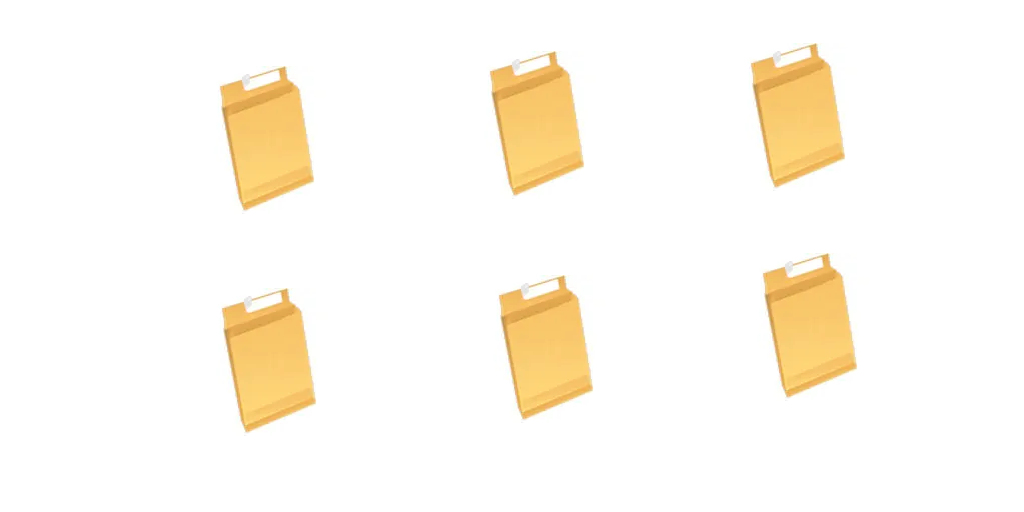
For larger, bulkier goods, expansion paper envelopes are a suitable alternative. These can also be made of poly (which is recyclable) and can be padded as well.
Expansion paper mailers are made with side or bottom gussets that allow them to expand as they are filled. If you need to ship a slightly larger package and provide it with a slightly higher level of protection, this may be your best option.
High-quality expansion poly mailers, specifically, are tear resistant, protect products from moisture during shipping, and feature gusseted bottoms or sides, making them perfect for bulkier and thicker items.
Tubes
Finally, we have tubes. Tubes are typically used to mail long, thin packages (like fishing rods) or rolled paper parcels (like posters) both of which are susceptible to being crushed.
While they are less bulky than boxes, they provide a very high level of protection to goods in transit, not only to being dropped but also against being crushed.
What You Need to Consider
While the packages above can help you ship without the expense of a box, you still need to take into account some of the following factors.
- What You’re Shipping (Size and Weight)
Remember, it’s not just the size, weight and bulk of the box that makes shipping them expensive; it’s the weight of your package. Sometimes, you won’t save that much by downgrading from a box and it just makes sense to use one. - Level of Protection Desired
If what you’re shipping is very fragile or expensive, then the pennies you may save by shipping in an envelope can easily be lost due to damage in transit. More expensive packages merit greater protection. - Expediency
You will end up paying more if you want your package to arrive on an expedited schedule, so keep that in mind. Packaging materials are not the only thing you pay for. - The Unboxing Experience
Finally, if you are shipping goods commercially, the unboxing experience counts. Shipping in boxes feels and looks more professional much of the time, and a positive unboxing experience can constitute the difference between a repeat customer and a lost sale.
Save on Expansion Paper Envelopes and Other Mailers Online at Mailers Direct
Looking for expansion paper envelopes, padded poly mailers, and other shipping essentials? Visit Mailers Direct online at MailersDirect.com.
They carry a huge range of essentials at excellent prices. Buy in bulk and save or contact them for more information.