
According to the CDC, 370 people around the country are injured every day, in the bathroom alone. Many of these injuries are slip and fall accidents.
Every second, an older adult in this country falls. As many as 25% of older adults in this country will experience a fall every year.
Naturally, the bathroom is a dangerous location because of the slick flooring and the wet environment. Doubtless to say, many falls in the home occur in the bathroom for this reason.
While you can’t eliminate the risk, you can help mitigate it, and here are some of the best ways to do so.
Invest in a Weighted Shower Curtain
One of the factors making the bathroom dangerous is the high humidity paired with the wet environment.
If you can help reduce water on the floor, you can help minimize the risk of falling. One way to do so is to replace the shower curtain with a weighted version.
This affordable hack will help keep the bathroom drier and prevent water from splashing out of the shower and onto the ground.
Replace Tile
If the bathroom in question still has very slick tile flooring, consider getting rid of that. This is a somewhat more costly proposition, but can make a big difference in improving bathroom safety.
There are rubber and cork alternatives, some of which are peel and stick formats that can be used to replace or overlay your current tile.
These will improve traction on the floor, even when wet, helping to reduce the slip and fall risk.
Install Texture Strips
If you can’t replace or upgrade your flooring – it is expensive, after all – then what you can do is place down texture strips.
The great thing about texture strips is that they are available in all different sorts of sizes, styles, and other configurations, and they usually have an adhesive back.
This means they can be installed basically anywhere, and they might not even be noticeable once in place.
The other great thing is that these strips can be installed on the floor in the bathroom as well as in the shower.
Get Rid of Rugs, Put Down Non-Slip Mats
If you have rugs in the bathroom, move them. These are trip hazards even though they do technically improve traction.
What you want instead are low-profile non-slip mats that will cover up most of the slick flooring so you get better traction.
Install Grab Bars
In the shower, and on the walls of the bathroom elsewhere if necessary, install some grab bars. They may not be pretty, but they will go a long way towards minimizing the risk of slipping and falling in the bathroom.
Though they’re designed for the elderly as well as for those with motor issues, they can provide anyone a sure grip in the bathroom.
Get a Shower Chair for the Elderly
Lastly, if the person at risk of falling is aging or has a motor coordination problem, invest in a shower chair for the elderly.
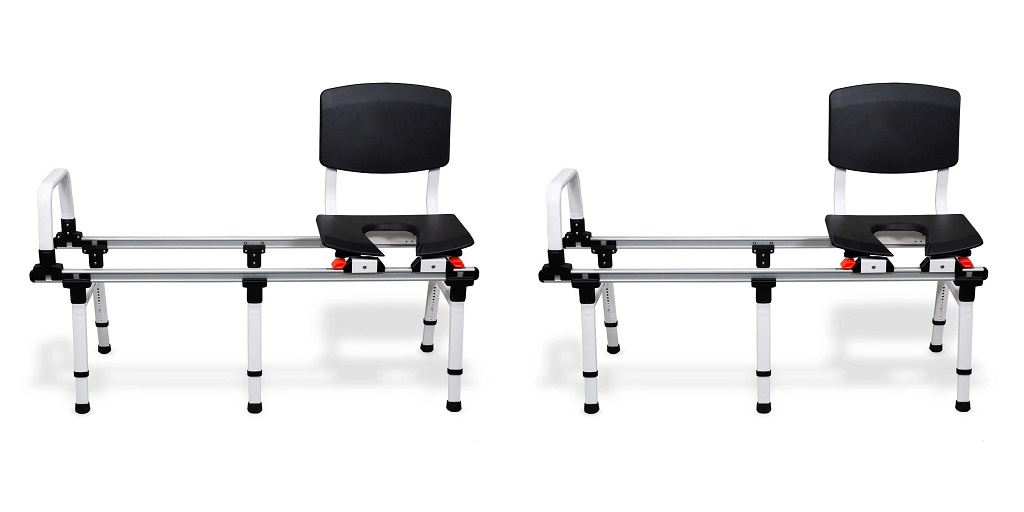
Visit SolutionBased where you will find a lot of options ranging from transfer benches to shower chairs for the elderly that allow users to enter the shower while seated, helping to reduce straining, struggling, reaching, and stooping that can cause falls.
All in all, the tips outlined in this article should help you improve the safety in your bathroom by reducing the risk of falls.
