Moisture in the air can cause havoc on your delicate products and expensive equipment—a headache no lab manager wants to deal with. If you’re in the business of creating moisture-sensitive goods, you know just how frustrating and costly it can be when excess water vapor sneaks into your compressed air system.
This is where a regenerative desiccant air dryer comes to the rescue. Whether you’re concerned about product contamination or the lifespan of your equipment, ensuring dry air in your system is crucial. In this post, we’ll explain why moisture control matters, how regenerative desiccant air dryers work, and how they can save your business from unexpected downtime and costly repairs.
The Need for Dry Air
Moisture is a hidden menace in compressed air systems. Laboratories that deal with moisture-sensitive products, like pharmaceuticals, food, or electronics, need compressed air with a very low dew point to prevent issues like contamination or product damage. Even minor moisture can ruin a delicate process, and for products sensitive to moisture, this could result in expensive waste.
How a Regenerative Desiccant Air Dryer Works
So, what exactly does a regenerative desiccant air dryer do? Simply put, it removes moisture from compressed air through a process called adsorption. During adsorption, water vapor clings to the surface of a desiccant material, which holds the moisture while allowing the dry air to pass through.
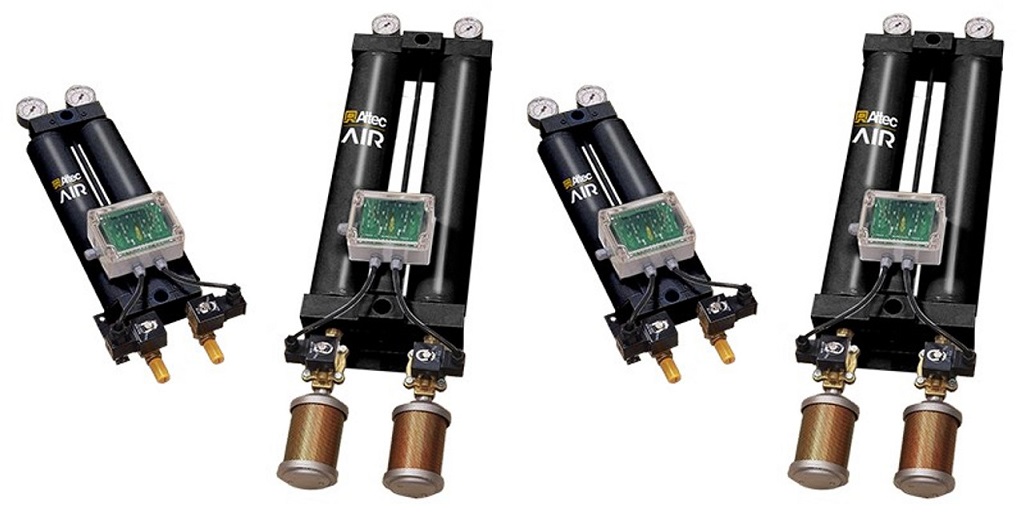
Regenerative desiccant air dryers typically feature two towers filled with desiccant material. While one tower is busy drying the air, the other regenerates, meaning it expels the moisture that has accumulated on the desiccant material. This regeneration process is what makes these dryers “regenerative”—they can renew themselves and keep functioning continuously without downtime.
The Adsorption and Desorption Process
To fully understand the regenerative desiccant air dryer , it’s essential to break down the two key steps: adsorption and desorption.
Adsorption: In this phase, the compressed air enters the dryer and passes through the desiccant material in one of the towers. The desiccant material absorbs the moisture from the air, leaving you with dry compressed air ready for use.
Desorption: As the moisture collects in the desiccant material, it reaches a saturation point. At this stage, the system switches to the other tower, which continues drying the air. The saturated tower undergoes desorption, where the moisture is purged, and the desiccant material is renewed for the next cycle.
Types of Desiccant Regeneration
There are a few methods for regenerating desiccant materials, each suited for different setups:
- Hot Air Desiccant Regeneration: This method involves forcing heated air through the desiccant material, evaporating the accumulated moisture. The hot air process usually requires a heater and fan, making it energy-intensive but effective.
- Dry Compressed Air Regeneration: More energy-efficient, this method uses a portion of the dried compressed air to purge the moisture from the desiccant material. It’s a cost-saving option that many businesses opt for to reduce utility expenses.
Why Businesses Need Regenerative Desiccant Air Dryers
When it comes to moisture-sensitive processes, businesses can’t afford to cut corners. Laboratories producing delicate products rely heavily on the quality of their compressed air. Implementing a regenerative desiccant air dryer ensures that the air is dry enough for even the most sensitive processes.
Not only do these dryers protect products, but they also extend the life of your equipment. Corrosion and rust don’t stand a chance against a well-maintained air system. This investment helps avoid unexpected maintenance costs and operational delays, keeping your business efficient.
Keep Moisture at Bay
For businesses with laboratories that handle delicate, moisture-sensitive products, a regenerative desiccant air dryer is essential.
When you’re ready to enhance your compressed air system and protect your business, visit Air & Vacuum Process Inc. to explore their range of desiccant air dryers and gas solutions.