
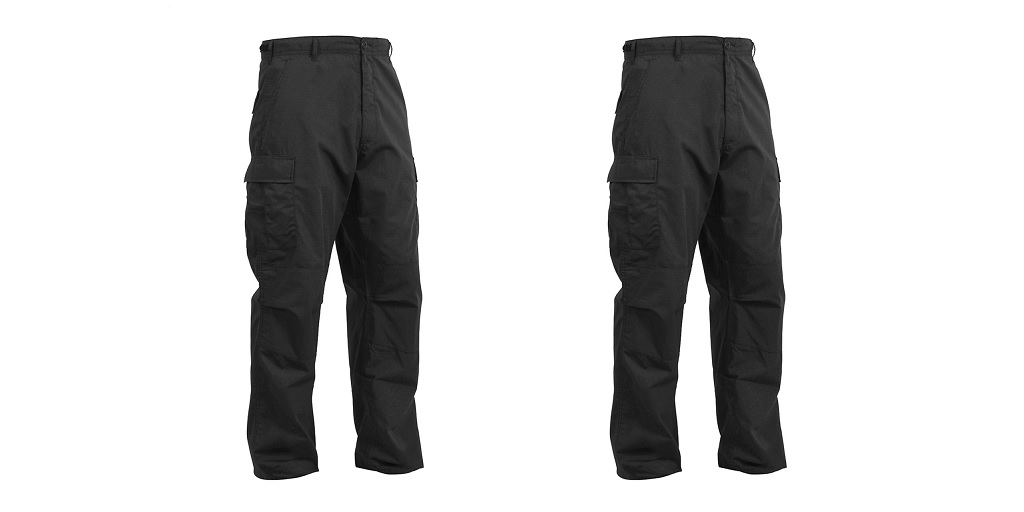
In the event your camouflage pants aren’t insulated, now’s the time to revamp your wardrobe with some appropriate cold-weather gear. The freezing temps will be here before you know it.
Here are some points to make sure you can keep warm this winter.
Materials: What to Buy?
There are lots of modern synthetic performance materials out there, but you can’t go wrong with an old classic: wool.
Wool has better thermal insulative properties than most other materials and it remains warm when wet, which can save you in wet conditions.
Avoid cotton, as cotton is highly absorbent and loses its thermal insulating properties when set. Down is middle of the road; it is lighter than wool and offers excellent thermal insulative properties, but like cotton, loses them when wet.
Technical insulative gear is acceptable as long as it’s reasonably priced – nylon, polyester, and wool-acrylic blends can all be useful.
Sizing Jackets, Pants and Snow Suits
One of the most important things about winter gear is that it’s not just important what you wear, but how you wear it.
First off, you’ll want three layers. A baselayer that you wear next to your skin (wool is great for this) followed by a mid-layer that will offer the bulk of insulation. Wool, down, and performance synthetics are appropriate here.
Next you’ll have the outer shell that will provide your first line of defense against the elements (more on that below).
This makes it critical to size appropriately. With the exception of your baselayer, you don’t want to be wearing skin-tight clothing in the cold.
This can restrict circulation and it also limits the amount of air that can be trapped next to your skin.
Ideally, you should run a half a size or a size up. That way, you can trap warm air next to your skin and you’ll also have room for layering.
The Outer Shell
The outer shell you wear will be your first protection against water and wind. As a result, many outer shells are waterproof and windproof.
This is one area in which synthetics are acceptable. Tightly woven natural materials, like cotton duck canvas and twill, are also good. Waxed canvas is one alternative to modern synthetics, as it repels water effectively. It is also much more durable and much longer lasting than tech gear.
A Note on Your Extremities
While it’s a myth that you lose most of your heat through your head, you do still lose heat through it. A good, snug hat, either wool or fur, is necessary.
Also, you’ll want to make sure your hands are covered; mittens are better as they keep your fingers together, but gloves offer better dexterity. Glomitts are a good compromise between the two.
As for your feet, you’ll want to wear thick wool socks, and if your feet sweat a lot, you may want a silk liner sock to wear inside of a second pair of socks. Make sure your boots are waterproof and rated appropriately according to the conditions.
One helpful note is to carry a few chemical hand and foot warmers that you can put in your gloves and boots to give you an assist if it gets really cold.
Cold Weather Gear Is in at Fatigues Army Navy
Here for cold-weather winter gear? Get it online at Fatigues Army Navy. They carry a wide range of highly durable, high-quality winter gear, including Codet wool pants, snow suits, and military surplus gear. With so much more than just camouflage pants, from boots and socks to headwear, they have you covered, literally, so you can enjoy more of what the great outdoors have to offer, even when the temperature plunges.