
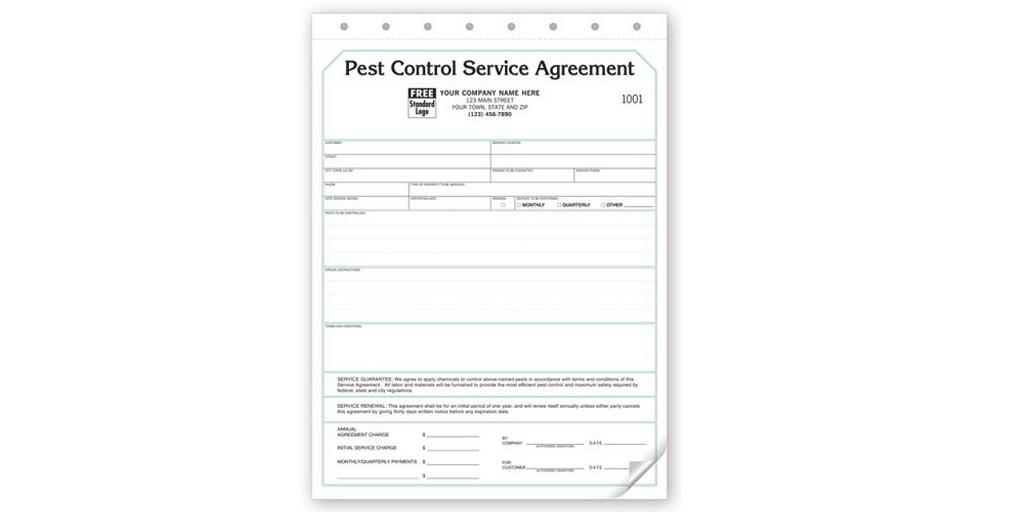
When you work in pest control management, it can sometimes be difficult to keep track of all your forms and customers when you’re also trying to solve tricky pest issues. But whether you are a homeowner, property manager, or business owner, having a solid pest control contract is essential for maintaining a pest-free environment and protecting your property from potential damage.
This is why keeping pre-made pest control contracts handy to fill out will keep you organized and efficient.
Understanding the Need for Pest Control Contracts
Pests can pose significant threats to both residential and commercial properties. From insects like ants and termites to rodents like rats and mice, these unwelcome intruders can cause structural damage, spread diseases, and create an uncomfortable living or working environment.
A proper pest control contract is vital to tackle these issues proactively and prevent infestations before they become severe.
The Key Elements of a Pest Control Contract
1. Scope of Services
A well-drafted pest control contract should clearly outline the scope of services to be provided by the pest control company. It should detail the specific pests to be targeted, the frequency of visits, and any additional services like inspections, monitoring, or emergency callouts.
2. Pricing and Payment Terms
The contract should include transparent pricing for the services offered. This may be based on the size of the property, the severity of the infestation, or a predetermined flat rate. It is essential to understand the payment terms, including any deposits required and the schedule for recurring payments.
3. Duration and Renewal
Clearly state the duration of the contract and the process for renewal. Some contracts may automatically renew unless terminated by either party, while others may require explicit renewal agreements after the initial term.
4. Guarantees and Warranties
A reputable pest control company should stand behind their work. Include details about any guarantees or warranties offered for the services provided. This helps to build trust with clients and provides reassurance about the effectiveness of the treatments.
5. Exclusions and Limitations
To avoid misunderstandings, the contract should specify any exclusions or limitations to the services offered. For example, certain pests or areas of the property may not be covered, or the guarantee may be voided under specific circumstances.
6. Health and Safety Measures
Pest control often involves the use of chemicals and potentially hazardous substances. The contract should highlight the pest control company’s commitment to adhering to all relevant health and safety regulations to protect both their employees and the clients.
7. Access to the Property
To provide effective pest control services, technicians need access to various areas of the property. The contract should address how access will be arranged and any requirements for the property owner or occupants.
8. Insurance and Liability
Ensure that the pest control company carries appropriate insurance coverage. The contract should clarify each party’s liability in case of property damage, accidents, or unforeseen circumstances.
9. Termination Clause
Include a termination clause that outlines the conditions under which either party can terminate the contract. This provides flexibility in case of unsatisfactory service or changes in circumstances.
The Best Pest Control Contracts
Looking for premade pest control contracts to keep your business organized? Look no further! JiffyPrint has pest control service documents that meet all of the above requirements and more. They can be customized to fit your business needs as well, so reach out to them with any specifics!
