
Having a sewing room can be helpful to anyone who loves to sew as a hobby or as a side hustle. But what many creative people often struggle with, including sewing and quilting hobbyists, is that sometimes their creative spaces can be a problem too.
Instead of becoming a haven where the hobbyist can be creative and complete projects in peace, sometimes the sewing room can be a room that can feel chaotic and unappealing. But there are other ways you can make that special room into an inspiring and productive area.
You only need a few items, a few good habits, and a proper schedule to organize your sewing room and make everything accessible for any project and to maximize the available space you have.
Proper Organization Maximizes Productivity
The first thing you have to do is to assess your sewing materials, accessories, and equipment. This can help you consider their usability and relevance to your current projects, and the place where they need to be.
A simple inventory check could help you sort through fabrics and threads, and you can then sort them according to color, material, and type. This makes it easier to know which ones you frequently use and which ones the least.
Doing this will also help you find fabric scraps and materials that might not be suitable for big projects, but could still be useful for smaller ones. Or you could also choose to give them away or donate them if you think you don’t have any use.
When it comes to your sewing materials, take stock of your cutters, cushions, sewing tools, buttons, zippers, and other supplies. You need to determine which ones are essential for you and which ones can be discarded or given away.
Consider Usability
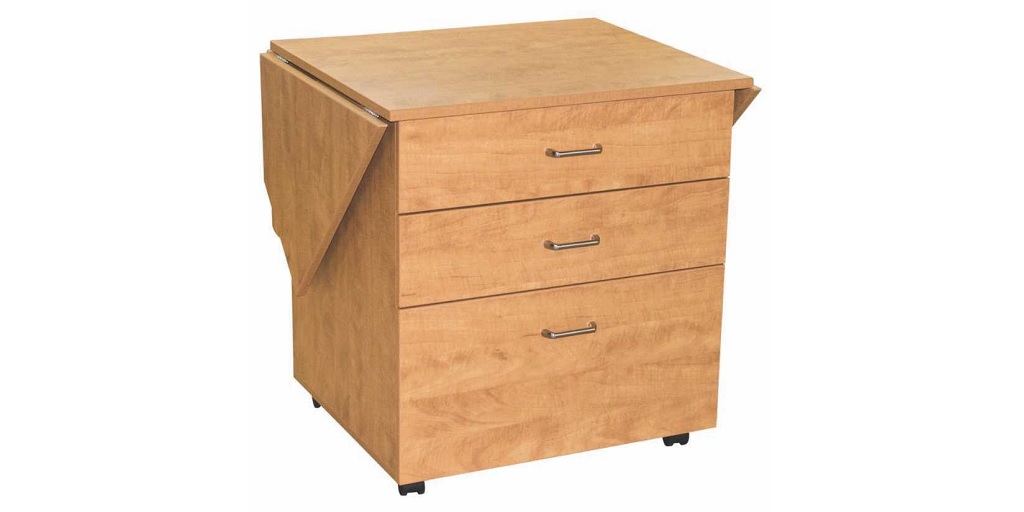
Make sure that the materials and resources you keep are usable for all your current projects. You can separate the frequently used tools and materials in your sewing machine cabinet, which can help you prioritize materials and accessories for your projects.
Using a sewing machine for cabinets also helps you place your favorite sewing tools in an easy place where you have easy access to them, making you more organized when doing your projects.
This also makes it easier for you to not mix other sewing materials and tools that are not currently in use. This prevents clutter and disorganization in your sewing room.
Consider the Available Space
Not everyone has a space large enough for their sewing projects, and this is especially true if you are a hobbyist trying to start your own business. Consider the available area in your hobby room, the wall space and the corners.
Consider the size of your sewing machine and the cabinets you need to place them in. Make some of the areas multifunctional, especially if there isn’t much room for your materials and supplies.
You should also make it easier to clean up the space after every use, so you will feel more encouraged and less chaotic when returning to your sewing room. Use the walls to make horizontal shelving for your fabrics and other materials, and make sure there is enough room for your sewing machines.
It’s also best if you create functional zones, which means choosing specific areas for cutting, sewing, and storing, so each area would be easier to organize and clean after every project. It’s also a good way to create a workflow for your project, so the space itself tells you where you are currently.
Creativity Goes with Proper Organization
You might think that being creative means not following the rules, and sometimes it does. But you might find that organizing your creative space helps you complete more projects on time and helps you become even more creative, especially when it comes to sewing and quilting projects.
