
Your boat’s battery is necessary to start the engine, power the electrical system, including lights and navigation, and much more.
For boats powered by a trolling motor, it i the only power source for the vessel.
Without it, you would be dead in the water.
With that said, here are some high-level ways to take care of your marine battery and cables.
Protect and Clean the Terminals
The easiest aspect of marine battery maintenance is to keep the terminals clean. Over time, discharge will exude from the terminals, and this corrosion can damage the battery and make it difficult to establish a solid electrical connection.
Use a solution of warm water and baking soda with a battery terminal brush or a steel wire brush to scrub them clean from time to time.
Then, apply some dielectric grease to the terminals. A thin coating will help prevent water ingress and almost entirely prevent corrosion.
Keep the Battery Charged
A fully charged battery will last longer than one that is fully discharged and allowed to remain at a low level. If possible, you should never allow your battery to die.
Keep your battery fully charged before leaving port. When in port, you may want to hook it up to a battery maintainer with a trickle charge function.
Protect It Against Extreme Temperatures
For small vessels that are removed from the water during the winter, it might be a good idea to remove your battery when your vessel is dry-docked.
Keep it somewhere that preferably won’t experience freezing temperatures, as these can damage batteries, and keep it charged throughout the winter.
Use Only Approved Marine Battery Cable
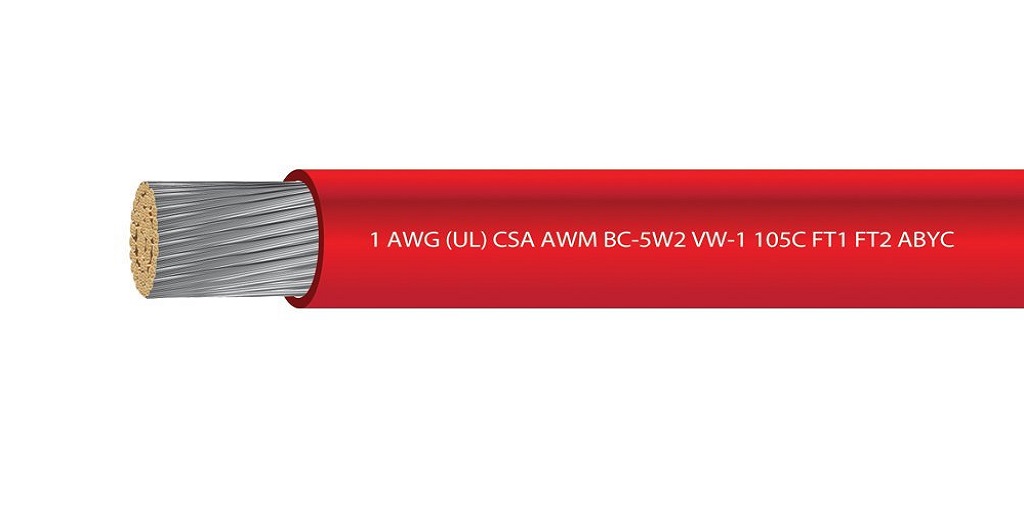
For wiring purposes and battery leads, it is important to use only USCG and UL-approved marine battery cables.
Marine battery cable is made with very thin copper conductors that are individually tinned. This does two things: it makes them very flexible, and it helps prevent corrosion as the tinned copper is better insulated.
Use the Right Size Marine Battery Cable
It is also critical to use the right gauge of marine-grade wire for the application.
The use of a wire in a gauge that is inappropriate for the load of the circuit will cause the wire to overheat, can cause the insulation to break down, and can cause fires.
Protect Against Chafing
Be cognizant of where the cable exits and enters from any compartments in your vessel. These are all chafing points.
If the wire’s insulation chafes and wears through, you’re at a much higher risk of fire.
Instead, protect your cables with conduit, electrical tape, silicone, or some other buffer at entry points. Consult a marine electrical engineer if you have questions.
Where Can You Find Quality Marine Battery Cable?
Need to replace some of your boat’s wiring or its battery leads? Visit EWCS Wire at EWCSWire.com.
In addition to a wide range of other specialty electrical cables, EWCS Wire also sells marine battery cable that is highly flexible, individually tinned, and USCG, UL, and ABYC approved.
Visit their website for details.
