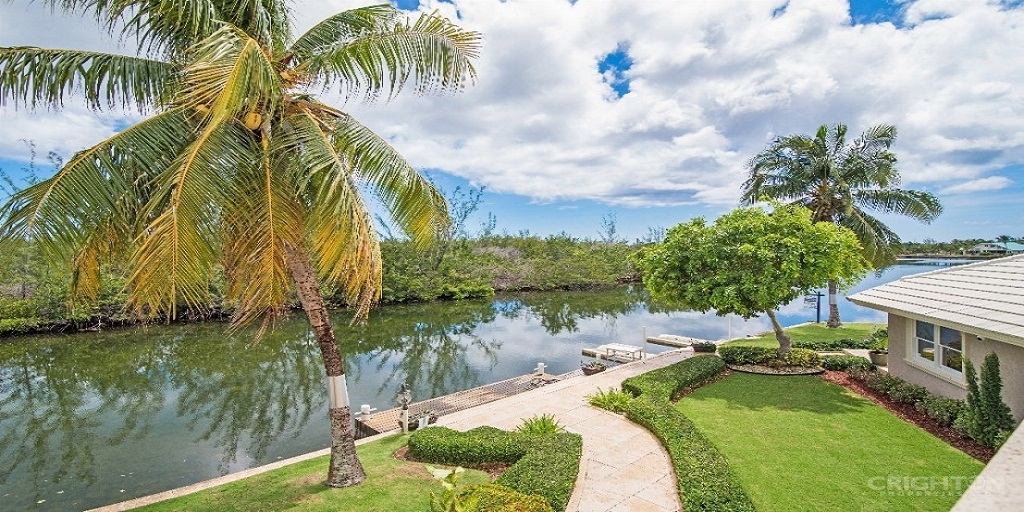
If you’re looking to buy Cayman Islands houses, there are some things you’ll want to know to make your purchasing decision smooth and owning a vacation home on this side of the world easy.
Read on and arm yourself with information about real estate in the Cayman Islands.
Buying Property in Cayman Islands
Buying a property in the Cayman Islands is pretty simple. The real estate industry in the Cayman Islands is mostly regulated by the Cayman Islands Real Estate Brokers Association (CIREBA).
CIREBA uses a hybrid of the US and Canadian real estate systems which makes owning a property very easy even for foreigners.
The government of the Cayman Islands guarantees absolute ownership of each piece of land, with no restrictions on foreign ownership of a single property and no income, capital gains, or property taxes.
Because of this, obtaining title insurance in the Cayman Islands is typically deemed unnecessary.
In general, there are two stages to a transaction: negotiating an offer and finalizing the contract. It’s wise to have a real estate agent who can help you not just with the offer and the contract, but also during the house hunting stage.
When it comes to documentation, you can use the CIREBA “Offer to Purchase” document which serves as a purchase agreement and spells out all the terms and conditions of the transaction.
When the conditions of the contract are satisfied and fees like stamp duty, government fees, as well as lawyer’s fees, and others are all paid, ownership of the property is then transferred to the buyer.
This seals and closes the transaction and the sale is then recorded at HM Land Registry (Her Majesty’s Land Registry).
Foreclosure Homes in Cayman Islands
Foreclosed homes in the Cayman Islands are sold by real estate companies or agents and also by local banks and companies. You won’t normally find them in CIREBA MLS (Multiple Listing System).
With a foreclosed property, you have to shoulder the cost of any repair yourself. You can negotiate through your agent but there is often little room for one.
Foreclosed properties are, however, often sold less than the market value so the ROI potential is good. If you’re thinking of renting the property out, rental returns are expected to be good, as well, particularly with the thriving tourism in the area.
Strata Property
Ownership of a Cayman Island property can either be freehold or leasehold. In a freehold, the owner owns the land and the property on the land forever.
In a leasehold, you only have a temporary right (which is granted to you by the freehold owner) to occupy the property for an agreed-upon period.
Freehold property can be a strata property. A condominium or apartment complex is offered as leasehold, but it is more usually sold as part of a strata plan.
The strata company, which is made up of all of the lot owners, is responsible for the condominium’s insurance as well as the repair and upkeep of the common areas.
This includes the property’s exterior walls, roof, and foundations, implying that the owner is only responsible for the interior.
This contrasts with house properties, though it should be noted that most homes inside a development or subdivision also have regular shared fees for security, street lights, upkeep of communal gardens, and others. The fee is paid to the homeowner’s association.
In the end, whether you go for a house or a strata property will ultimately be a lifestyle choice.
However, whether you’re looking for Cayman Islands houses to obtain a new address or a vacation residence, you’ll need a real estate company to guide you through the process.
When you’re ready to choose your home in a Caribbean paradise, contact Crighton Properties. They have been helping people like you find their home in the Cayman Islands since the early 1970s.