
Have you heard of Garment Machinery Company before? If not, it’s probably because you’re outside of their market. They only serve New England.
However, within New England, there is no more preeminent, influential commercial laundry equipment company – they not only sell, but service commercial washers and dryers.
Which means they know a thing or two about commercial washer and dryer maintenance, from which expertise you can benefit whether you are in their market or not – so take notes.
High-Level Maintenance Considerations
Properly inspecting, cleaning and maintaining your laundromat’s washers and dryers is critical to ensuring the equipment goes the distance. Like any machine, they benefit immensely from routine cleaning and maintenance protocols.
One of the most important (albeit basic) things you can do to ensure performance and longevity is to keep the exterior housings of your washers and dryers clean and dry.
Chronically humid environments can accelerate rust, not to mention that dirty equipment will harm the atmosphere of your laundromat and make it appear less professional.
Keeping the exterior of the machine clean will also help ensure that soap, detergent, lint, and other debris do not cause any damage to the external components of the machine.
Besides the outside of the machine, you should also make sure you keep your soap dispensers clean. Without routine cleaning, these dispensers can quickly get gummed up and clogged, making them difficult to use.
You should also routinely inspect and clean your water inlet filters, as over time these can become obstructed by particulate matter, and a clogged inlet can damage the machine. These should be replaced as necessary, too.
Likewise, inspect and clean or replace the inlet hoses as necessary, because if these become obstructed the machines can suffer damage as well.
Changing or replacing an inlet or outlet hose that has a leak is also necessary, and you’ll want to catch these issues before they become bigger than they are.
Not only can a leaking hose rack up your water bill – a wet floor is a gigantic liability and can also put your machines at an elevated risk of corrosive damage.
Commercial washers that are belt-driven are made with heavy-duty belts, but these belts wear over time and usually need to be replaced at least once per year, if not more frequently. Catching a belt problem before the machine breaks down will keep your facility operational.
Another thing to do is to regularly inspect the seals around washer doors. When these degrade they can result in leaks, which as stated are a hazard for your facility.
Here’s another critical item: always have your staff inspect dryer lint traps at multiple points throughout the day. Obstructed or clogged lint traps can produce a serious fire risk, and even if it never gets to that point, your dryers will have to work harder, resulting in lagging performance and higher energy bills.
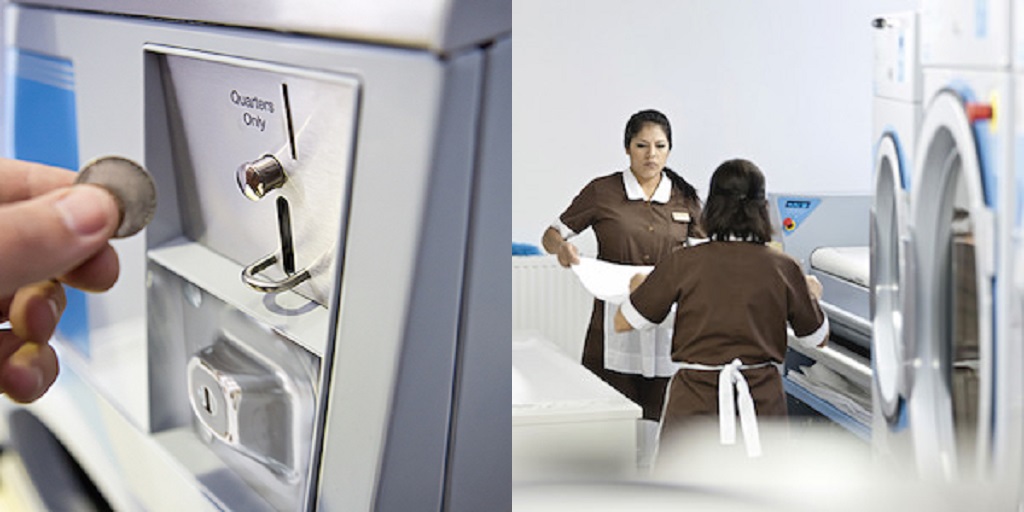
If you operate a coin laundromat or there is a bill changer in your facility, a member of your staff should always check these daily for functionality to make sure they are in proper working order and can deliver a quality customer experience.
Work with a Commercial Laundry Equipment Company for Success
While this article barely scratches the surface of commercial laundry equipment maintenance, it is still a good place to start (from a high level) to ensure your machines are well-cared for and in good order.
If you happen to be in Garment Machinery Company’s market (New England), get in touch with them so you’ll always have a commercial laundry equipment company within reach. Visit their website or contact them today for more information.
