
Hyaluronic acid is a common ingredient in face creams, hydrating serums, oils, and many other forms of topical treatments.
The word “acid” can be intimidating, but you can also find that word in “ascorbic acid,” otherwise known as vitamin C, and in “deoxyribonucleic acid,” perhaps better known as DNA.
So a little background knowledge goes a long way toward dispelling suspicion. In this case, you shouldn’t have any.
Here’s what you need to know about hyaluronic acid, as well as why a hyaluronic acid serum for your face can be so beneficial.
What Is Hyaluronic Acid?
Hyaluronic acid, also known as hyaluronan, is a thin, clear, slightly viscous fluid that is naturally produced in the eyes, joints, skin, and in connective tissue.
It serves several different purposes. For instance, it serves as an effective lubricant for joints and may be effective at controlling inflammation in the skin and connective tissue.
However, one of hyaluronic acid’s most important functions is to retain moisture and improve skin barrier function. You may already be able to see where the list of benefits will go from there.
What Are the Benefits of a Hyaluronic Serum for Your Face?
Arguably the primary benefit of hyaluronic acid is to keep the skin hydrated, which can help it feel younger, more supple, and healthier. These treatments are often effective for those with dry skin.
A large percentage of the body’s hyaluronic acid is present in the skin, but over time, aging, UV damage, and other factors can cause the natural concentration to drop. Many people take some form of hyaluronic acid supplement to replenish it and hydrate the skin.
In addition to hydrating, a hyaluronic acid serum for your face may also reduce the appearance of fine lines and wrinkles, smooth the skin, and soothe irritation and redness, providing a more even skin tone. Consequently, hyaluronic acid treatments are sometimes touted as anti-aging serums.
Hyaluronic acid may also be effective at facilitating wound healing. Studies have suggested that hyaluronic acid can control inflammation and encourage the formation of blood vessels around wounds, which speeds healing.
It’s also possible that hyaluronic acid even serves as a local analgesic and it may even be antibacterial as well.
Another significant benefit of hyaluronic acid is that it’s suitable for all skin types, even for those with sensitive skin and acne-prone skin.
What Else to Look for in a Hyaluronic Serum for Your Face?
Because of these purported benefits, hyaluronic acid serums are often paired with other powerhouse ingredients that complement them.
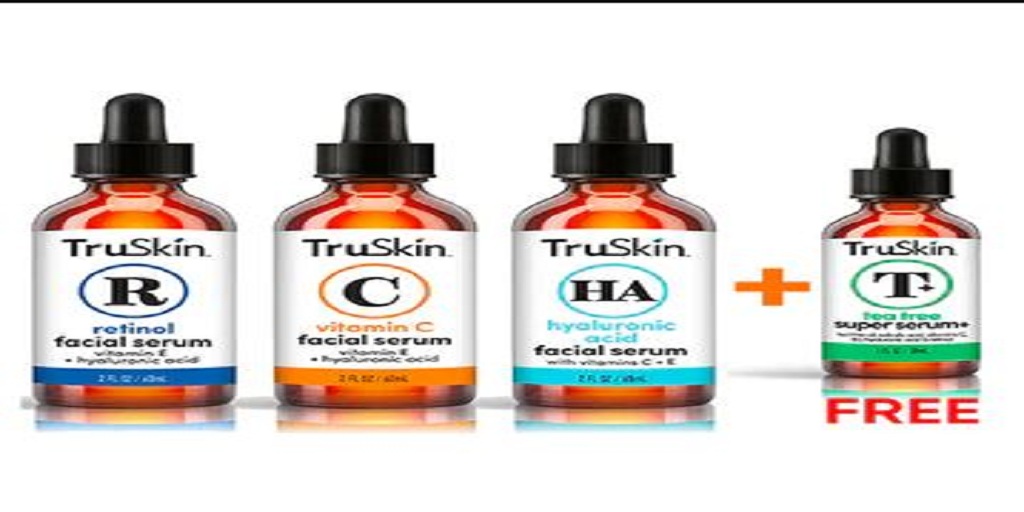
For instance, TruSkin’s Hyaluronic Facial Serum contains both vitamins C and E, which support many of the potential benefits and processes mentioned above.
Vitamin C, like hyaluronic acid, is also a humectant that can improve hydration and skin barrier function. It also helps to protect the skin against aging, can boost collagen production, and like hyaluronic acid, may improve wound healing.
Vitamin E is also often included in hyaluronic acid serums because vitamin E is a powerful antioxidant that helps prevent age-related damage by neutralizing free radicals.
To learn more about their hyaluronic acid serum for your face, visit TruSkin.com or check out their formula directly via the link above.
Then treat yourself some and take the first step in your journey to better-looking, better-feeling skin!
