
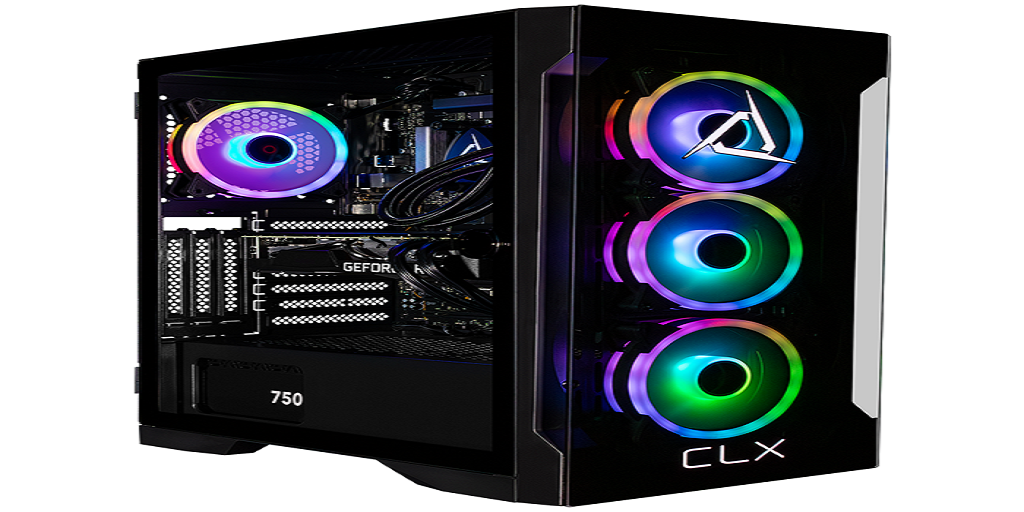
Building a gaming PC is one of the most exciting and thrilling things that you can experience as a consummate gamer. However, it’s entirely too easy to go over budget if you aren’t careful. The costs can add up quickly with so many options available, from high-performance graphics cards to flashy RGB lights.
If you’re smart about your choices, though, you absolutely can build a solid gaming rig without breaking the bank. This guide will help you stick to your budget without compromising performance:
1. Set a Realistic Budget First
The first and most important step to sticking to your budget is actually setting a budget before anything else. It’s easy to get lost in all the tech specs and fancy gear, and deciding how much you’re willing to spend on your gaming PC can significantly help narrow down your choices.
Thinking about what kind of games you plan to play and at what settings is a good way to approach this. If you’re looking to play triple-A titles on ultra settings, your budget might need to be higher. On the other hand, if you mainly play indie games or less demanding, older titles, you can likely get away with spending less.
The important thing to remember is that once you have a number in mind, stick to it as best as you can!
Prioritize the Essentials
When setting a budget, it’s crucial to focus on what truly matters: the core components that make your PC run well. The CPU (processor), GPU (graphics card), RAM, and storage are essential parts that will have the biggest impact on your gaming experience. Accessories like RGB lighting and fancy cases might be fun, but they should be lower on your list of priorities.
2. Shop Around and Look for Deals
It’s easy to feel pressured into buying the first part that you see, but being patient can save you money – really! You’ll thank yourself if you do your research and compare prices across multiple retailers; you might be surprised at how much prices can vary from one store to the next. Utilizing comparison tools and websites like PCPartPicker can be incredibly helpful for this.
Wait for Sales
Building a gaming PC doesn’t have to happen all at once. If you’re not in a rush, waiting for sales like Black Friday, Cyber Monday, or even seasonal discounts can help you score better deals. Keep an eye on price drops and be ready to pounce when a good deal comes up!
3. Don’t Overbuy on Components
One of the most common mistakes that first-time builders can make is overbuying components that are more powerful than they need. Sure, having the latest and greatest GPU or a top-of-the-line CPU sounds nice, but ask yourself: do you really need that much power?
For example, if you’re gaming at 1080p resolution, you probably don’t need a high-end graphics card. A mid-range card will perform well for most games at that resolution. Similarly, 16GB of RAM is enough for most gaming needs – unless you’re running memory-heavy applications, there’s no need to spring for 32GB.
Future-Proofing Isn’t Always Necessary
While it’s tempting to buy the most expensive components to “future-proof” your PC, it’s not always necessary. Technology evolves rapidly, and spending an extra $500 now for slightly better performance might not be worth it in a couple of years. Focus on what you need today and save your money for future upgrades.
Find a Gaming PC for Sale on CLX
These tips are brought to you by CLX, the best place to find a gaming PC for sale. You can find a wide variety of options over an extensive selection of price points to choose from on their website, from entry level machines to ultra high performance rigs. You can also use their Ultimate Configurator to virtually build a PC within your budget! Visit the CLX website now to learn more.
