
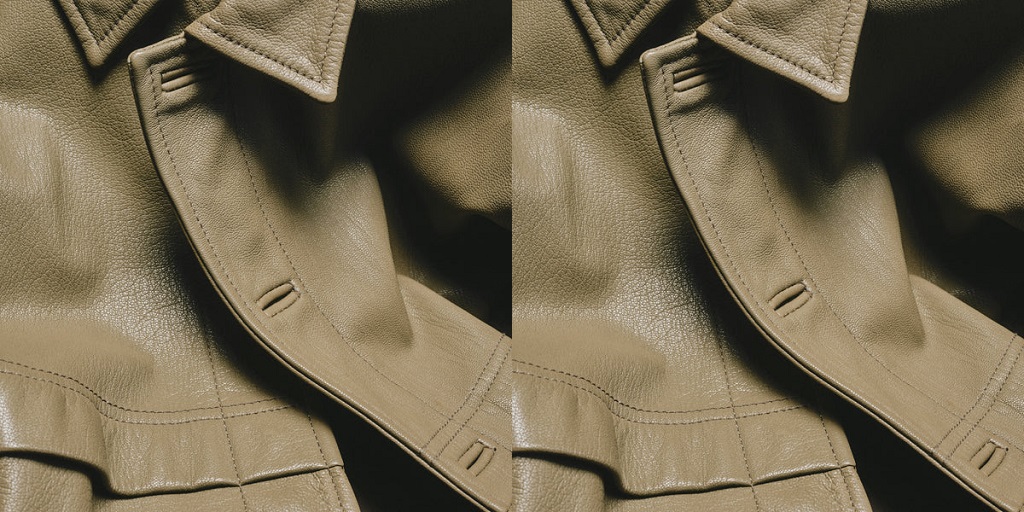
Launching a clothing line is exciting—but it’s also overwhelming. Between rising production costs, endless logistics, and the pressure to market yourself online, most independent designers get stuck long before their work ever reaches an audience.
The good news? Knowing how to start a clothing line today doesn’t mean doing everything alone. With the right focus, clarity, and support, you can take your vision from sketchbook to storefront.
Step 1: Start With Your Why
Before you cut fabric or sketch a silhouette, ask yourself: why does this line exist? Is it about sustainability? Inclusivity? Aesthetics that feel missing in the market?
Your “why” isn’t just philosophy—it’s strategy. It guides design choices, branding decisions, and even how you connect with your audience. In a saturated market, purpose is the difference between a line that looks good and a brand that resonates.
Step 2: Refine Your Concept
Every successful brand starts small. Instead of a 20-piece debut collection, focus on 3–5 pieces that capture your vision. Hone in on a category (streetwear, occasionwear, or elevated basics) and polish every detail: fabrics, cuts, textures. This keeps your line tight, intentional, and easier to produce without compromising quality. A clear capsule creates stronger impact—and makes production far more manageable.
Step 3: Choose the Right Partners
Here’s the real unlock: starting a clothing line doesn’t have to mean drowning in production and marketing tasks. Fashion incubators exist to streamline the process, so designers can focus on creativity, not spreadsheets. Platforms like Hightrast support independent designers from concept through launch. That means not just samples, but small-batch production, editorial photography, retail placement, marketing campaigns, and fulfillment.
Instead of sinking thousands into inventory, designers invest only in samples—while Hightrast manages production, promotion, and logistics. It’s how to start a clothing line without burning out or going broke before you even launch.
Step 4: Design for Longevity
Trends move quickly, but staying power comes from thoughtfulness. Choose fabrics and silhouettes that last. Think about pieces you’d want to wear a year from now—not just this season.
Build versatility into your line so your work feels timeless, not disposable. Longevity doesn’t mean boring; it means original designs with a strong enough identity to cut through trend cycles.
Step 5: Think Beyond the Garment
Starting a clothing line means starting a brand. Your audience isn’t just buying fabric and stitching—they’re buying a story. Invest in branding that reflects your aesthetic: name, logo, photography, social media voice. Even with a small following, intentional storytelling creates trust and connection. A clear identity elevates your line from products into a brand experience.
The Hightrast Difference
If you’re wondering how to start a clothing line online without shouldering the full cost of production, warehousing, and marketing, Hightrast is the easier path.
With two distinct options—Clothing Design Packages for samples and assets, and the Hightrast Incubator for full retail launch—they help independent designers bring their vision to life with less risk and more support.
You focus on design. They handle the rest.
