
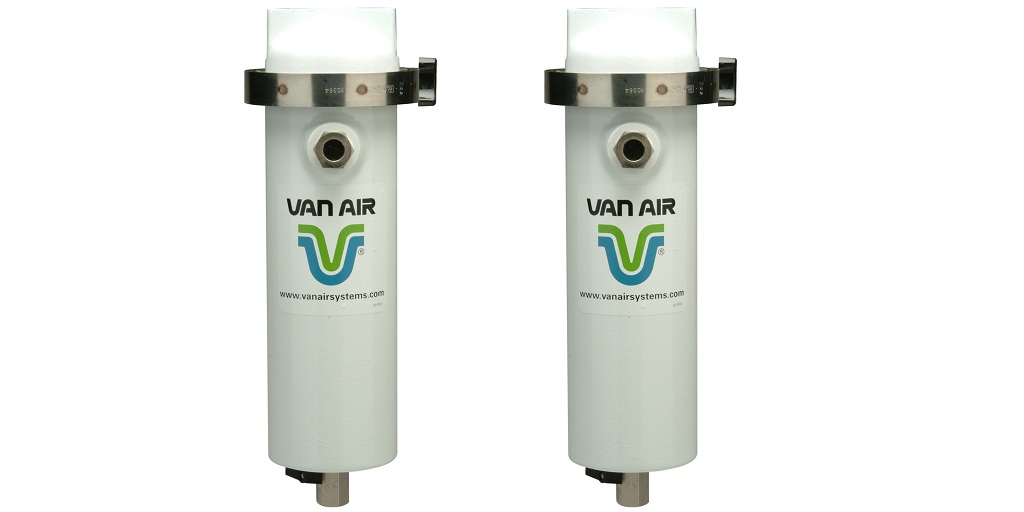
As businesses increasingly rely on compressed air for their operations, selecting the right compressed air dryer system has become a critical decision. A compressed air dryer is a device that removes moisture and other impurities from compressed air to prevent corrosion and damage to equipment downstream.
Compressed air dryers are a crucial piece of equipment for any company that uses compressed air regularly. They dehumidify the compressed air, protecting the machinery from rust and malfunction.
This makes the system more reliable and effective.
Factors to Consider When Selecting a Compressed Air Dryer System
When selecting a compressed air dryer system, consider the following factors:
Air Flow
The airflow required for your business will dictate the type and size of the compressed air dryer system you need. The airflow is measured in cubic feet per minute (CFM).
Dew Point
The temperature at which moisture starts to condense out of compressed air is known as the dew point. When the dew point is lower, the compressed air is drier.
Operating Conditions
Consider the temperature, pressure, and humidity levels of the environment in which the compressed air dryer system will operate.
Type of Compressed Air Dryer
There are four types of compressed air dryers: refrigerated, desiccant, membrane, and deliquescent. Each type has advantages and disadvantages of its own, making it essential to choose the best type for your company.
TTE MDH Series
For businesses that require compressed air with low dew points, the TTE MDH Series is an excellent choice.
This ultra-compact desiccant compressed air dryer is heat-free and regenerative, making it energy-efficient.
The compact size of the TTE MDH Series also makes it ideal for placement inside equipment cabinets or at the point of use.
HLSXA & HLSXG Explosion Proof Series Heatless Dryers
For businesses that operate in hazardous locations, the HLSXA & HLSXG Explosion Proof Series Heatless Dryers from Van Air Systems are a safe and reliable option.
These dryers are rated for use in Class 1, Division 1, Groups C and D hazardous locations, as defined by the National Electric Code.
Aircel’s ABP Series
The ABP Series from Aircel is an energy-efficient compressed air dryer system that is equipped with a high-efficiency blower to draw in ambient air during the desorption process.
With Aircel’s innovative parallel cooling mode, the temperature and dew point rise is mitigated before the tower switchover.
Aircel AEHD Series Dryers
For those looking for a dryer that drastically cuts down on consumption and operating costs, Aircel AEHD Series Dryers are an excellent choice.
Similar to heatless dryer designs, these dryers recycle process air to regenerate the desiccant bed, but the process air is heated before entering the offline bed, significantly reducing energy consumption.
Additionally, process air is used during the offline desiccant tower’s depressurization.
Aircel HRS-L Series Dryers
The Aircel HRS-L Series Dryers use externally heated atmospheric air to regenerate the desiccant bed, eliminating the need for compressed purge air during regeneration.
Further lowering the requirement for compressed air, the HRS-L incorporates a water-cooled heat exchanger to quicken the cooling of the regeneration bed.
This amounts to a process air usage of less than .05% of the dryer’s nominal output.
All of these compressed air dryers are proudly distributed by Air & Vacuum Process Inc. Check out their website at airvacuumprocess.com or send an email to sales@airvacuumprocess.com for more details.
Selecting the right compressed air dryer system is crucial to ensure the longevity and efficiency of your equipment.
By considering the airflow, dew point, operating conditions, and type of compressed air dryer, you can make an informed decision.
It’s important to pick a system that meets the needs of your company while also being cost-effective and environmentally friendly.
