
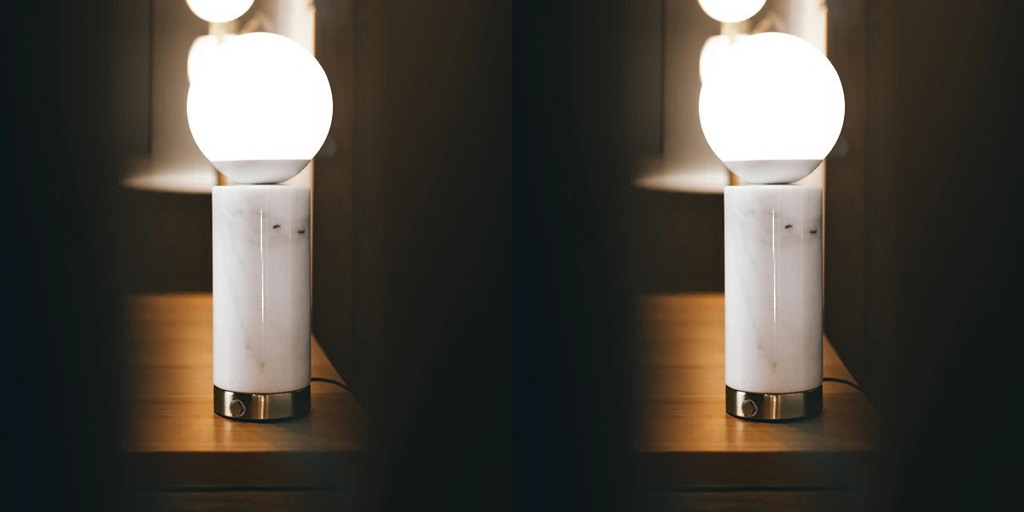
Most people tend to be under the impression that minimalism is just about having fewer things. On the contrary, it’s actually about curating your space to feel serene, intentional, and clutter-free.
When it comes to lighting, the minimalist trend is all about blending function with aesthetics, using clean lines, subtle designs, and warm illumination. If you’re wondering how to balance “less is more” with having enough light to make your space practical and cozy, you’ve come to the right place. Here’s how you can embrace the minimalist lighting trend in your home:
Why Minimalist Lighting Matters
Minimalist lighting isn’t just about aesthetics – it’s about creating a sense of calm and order in your space. Cluttered light fixtures or overly elaborate designs can feel chaotic, especially when employed in smaller rooms. By focusing on clean lines, neutral colors, and purposeful placements, minimalist lighting enhances your home’s architecture while giving you practical illumination.
Minimalist lighting is also highly versatile. Whether you’re going for a Scandinavian vibe, a modern industrial look, or even something a bit eclectic, simple lighting fixtures fit right in without overwhelming the rest of your decor.
Start with Neutral Tones and Sleek Fixtures
Sticking to a neutral color palette is a key element of minimalist lighting. Tones such as whites, blacks, grays, and metallics like brushed brass or matte steel blend seamlessly with any style and help keep the focus on the light itself rather than the fixture; the light also interacts beautifully with neutral hues, creating a soft and balanced look.
Choose lighting fixtures with clean, geometric shapes. For instance, pendant lights with a cylindrical or spherical design are perfect for dining areas or kitchens. In the living room, floor lamps with a slim, understated design can add a subtle glow without taking up too much visual space.
You can find plenty of modern floor lamps with minimalist profiles on Ozarké! They specialize in these kinds of lighting options, making them the go-to for those interested in a minimalist look.
When selecting fixtures, aim for quality over quantity. One well-placed light can do more for a room than several random fixtures, so choose thoughtfully.
Let Natural Light Take the Spotlight
Minimalism celebrates what you already have, and natural light is a free, beautiful resource that can make a room feel brighter and more spacious.
Open up your curtains or switch to sheer panels that let sunlight filter through softly. If privacy is a concern, frosted window films can do the trick without blocking the light. Arrange furniture to make the most of your windows, keeping larger pieces like sofas or bookshelves from obstructing the light’s path.
Layer Your Lighting for Depth
Even in minimalist design, having multiple light sources is important to avoid flat, one-dimensional spaces. The trick is to layer your lighting without overloading your room with fixtures.
Start with ambient lighting, like ceiling-mounted fixtures or recessed lights, to provide overall illumination. Add task lighting, such as desk lamps or pendant lights over your kitchen island, for specific activities. Finally, use accent lighting – like LED strips under shelves or minimalist table lamps – to highlight architectural features or add a touch of warmth.
At its core, minimalist lighting is about creating a peaceful and functional environment. By choosing sleek fixtures, embracing natural light, and layering your lighting thoughtfully, you can achieve a look that’s both stylish and practical.