
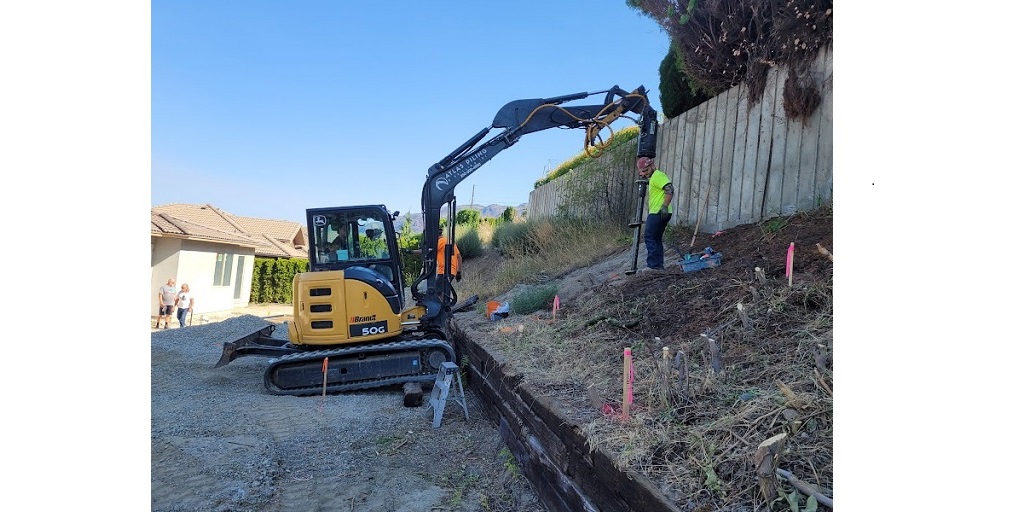
Helical pile foundations have become a popular choice in construction due to their versatility, efficiency, and cost-effectiveness. However, like any construction method, there are common errors that can compromise the integrity and performance of helical pile foundations. In this blog, we will explore these pitfalls and discuss how to avoid them to ensure a successful and durable foundation for your project.
Inadequate Site Investigation
One of the most crucial steps in helical pile foundation installation is a thorough site investigation. Failing to accurately assess soil conditions and load-bearing capacities can lead to improper foundation design. Conducting comprehensive soil tests and geotechnical studies is essential to determine the appropriate type and size of helical piles needed for the specific site.
Incorrect Pile Sizing
The size of helical piles is a critical factor in their performance. Undersized piles may not provide sufficient support, leading to settlement issues, while oversized piles can result in unnecessary costs. It’s imperative to work with experienced engineers who can accurately determine the required pile size based on soil conditions, structural loads, and project specifications.
Improper Installation Techniques
Helical piles rely on precise installation techniques to achieve the desired load-bearing capacity. Common errors include inadequate torque, incorrect alignment, and insufficient penetration depth. Employing certified and experienced installers is crucial to ensure that helical piles are installed correctly, preventing issues such as settling, tilting, or overall instability.
Neglecting Corrosion Protection
Helical piles are often exposed to harsh environmental conditions, making them susceptible to corrosion. Neglecting corrosion protection measures can significantly reduce the lifespan of the foundation. Utilizing galvanized or coated piles, applying corrosion-resistant materials, and periodic inspections are essential to ensure the longevity of the helical pile foundation.
Ignoring Building Codes and Regulations
Construction projects must adhere to local building codes and regulations to ensure safety and compliance. Ignoring these standards can lead to costly delays, fines, and even structural failures. It’s crucial to work with professionals who are well-versed in local codes and regulations to guarantee that the helical pile foundation meets all necessary requirements.
Inadequate Quality Control
Quality control is paramount in helical pile foundation installations. Insufficient monitoring and testing during the construction process can result in subpar workmanship and compromised foundation integrity. Regular inspections, material testing, and adherence to industry standards are vital to guarantee the quality of the helical pile foundation.
Conclusion
Avoiding these common errors is essential for the success of any construction project utilizing helical pile foundations. Partnering with experienced engineers, and installers, and adhering to industry best practices will help ensure a reliable and durable foundation for your structure.
How Atlas Piling Can Help
For those seeking a reliable partner in helical pile foundation projects, Atlas Piling stands out as a leading expert in the field. With a team of experienced engineers and certified installers, Atlas Piling ensures accurate site investigations, proper pile sizing, precise installation techniques, and compliance with building codes. Their commitment to quality control and corrosion protection guarantees the longevity and stability of helical pile foundations. Choose Atlas Piling for a foundation solution that stands the test of time.
