
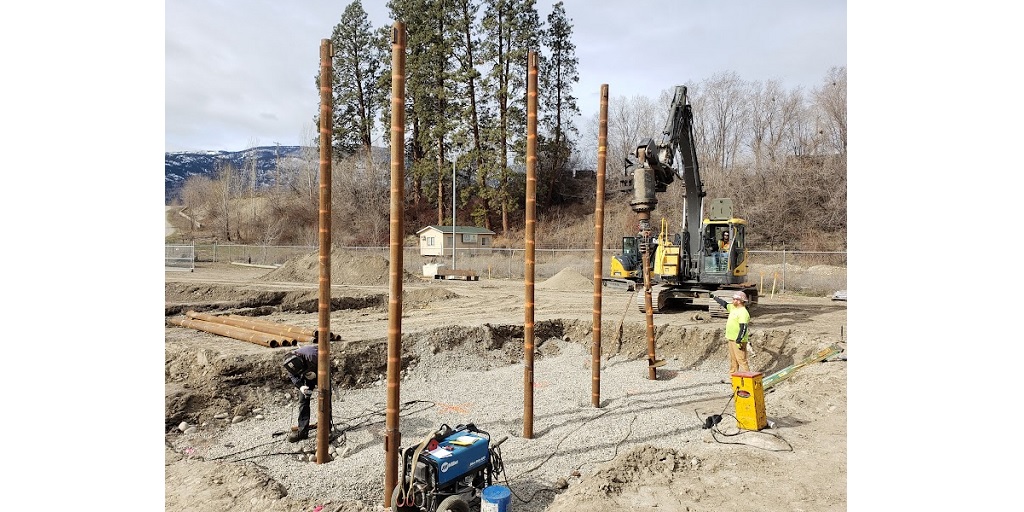
When considering the best foundation solution for a construction project, it’s essential to look beyond the surface price. A helical pile foundation offers long-term benefits that can outweigh its initial investment, but many factors contribute to the total cost. Whether you’re building a new structure or reinforcing an existing one, understanding the true costs behind these screw pile systems is essential to making an informed decision.
Material Costs
Helical piles are made from high-strength steel, designed to withstand immense loads. The material’s quality directly affects durability, ensuring that the foundation remains stable for decades. While the initial material cost may seem higher than traditional options, it offers exceptional resistance to environmental factors, such as soil shifts or frost heaving, which could otherwise cause costly repairs.
Additionally, the screw pile’s design reduces the need for large quantities of concrete, often leading to savings on materials. By minimizing the amount of heavy equipment required to transport materials, helical piles can make a project more cost-efficient from the start.
Installation Expenses
The installation process is a critical factor in evaluating the real cost of a helical pile foundation. Helical piles require minimal excavation, which means less disruption to the site and reduced labor expenses. Traditional foundations, on the other hand, may demand deeper excavation, formwork, and curing time, adding to both labor and equipment costs.
Since helical piles can be installed in a wide range of weather conditions, they help avoid costly project delays. Contractors save valuable time, and projects can progress according to schedule, which ultimately translates into lower expenses.
Long-Term Value and Maintenance
One of the most significant benefits of a helical pile foundation is its low maintenance requirement. Once installed, these foundations rarely require adjustments or repairs, even in challenging soil conditions. Unlike traditional foundations that may crack or settle over time, helical piles provide lasting stability, reducing the likelihood of expensive maintenance in the future.
Moreover, the ability to remove and reuse helical piles adds to their value. In case of future renovations or structural modifications, these piles can be unscrewed and reinstalled, providing a flexible solution that minimizes waste and further expenses.
Customization and Project-Specific Factors
Every project has unique requirements, and these can impact the final cost of installing a helical pile system. Factors such as soil composition, load-bearing needs, and environmental conditions will influence the number and size of piles required. Heavier structures may demand additional piles or longer shafts, increasing the price. However, these customized solutions ensure the foundation is tailored to meet the specific needs of the project, ensuring safety and durability.
Environmental Savings
In addition to financial benefits, choosing a helical pile foundation can also result in environmental savings. Their installation process produces less soil disturbance and fewer carbon emissions compared to conventional methods that rely heavily on concrete and excavation. For eco-conscious builders, this is a valuable consideration, as it aligns with sustainability goals while keeping costs in check.
Weighing the Costs and Benefits
While the upfront cost of a helical pile foundation may appear higher than traditional foundation methods, the long-term benefits often outweigh the initial investment. With faster installation, reduced labor expenses, and minimal maintenance needs, helical piles offer a cost-effective solution for various construction projects. For those looking to maximize both financial and environmental value, this foundation type provides a practical and sustainable option.
When making your decision, it’s crucial to consult with experienced professionals to evaluate site-specific conditions and develop a customized plan. A comprehensive assessment ensures the right balance between performance and cost, giving you peace of mind that your investment is sound for years to come.
