
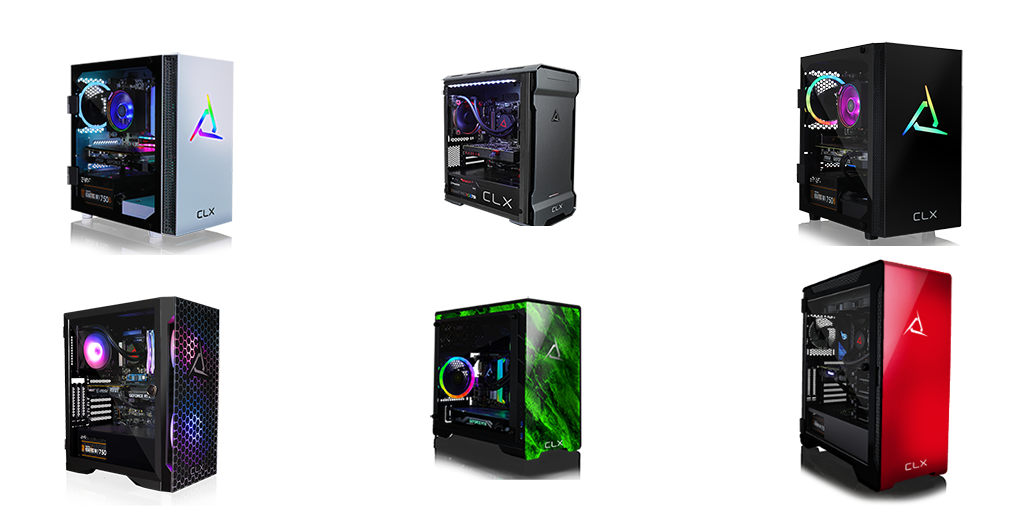
Popular belief, and thousands of memes, seem to imply that most gamers play their favorite titles using bleeding-edge components and high-end custom gaming PCs. If you go through any Reddit thread related to video games, you will end up assuming that, in order to become a card-carrying Steam user you are required to show proof that your PC is overclocked.
Fortunately for us, there are serious people tracking processor use in the gaming community willing to dispel any myth related to gaming. Data has shown that most people actually enjoy their games by hitting the bare minimum requirements.
Indeed, according to Sweclockers, a Swedish online gaming and PC magazine, most Steam users still rely on quad-core CPUs to play their favorite titles. This might seem weird for gamers who are always trying to get higher FPS to stay competitive, or those who are looking to get highly immersive experiences out of their games. But numbers don’t lie.
However, for the first time in history, six-core took a slight lead this year. Windows-based PCs seem to have been affected by the increased adoption of higher core counts by AMD. The Zen architecture set the bare minimum to six cores for those to upgrade their gaming PCs today. The popular budget Ryzen 5 5600X and its Intel counterpart, the i5 12400, both boast a six-core architecture. Even Apple is pushing for higher core coins with their M1 chips with eight high-performance cores.
This is a good sign for developers as even small publishers don´t have to pull their punches in terms of system requirements to attract a bigger audience. However, when we throw Linux users in the equation, four-core gaming PCs still retain the lead. This might have something to do with the fact that Linux tends to offer slightly better performance even in older machines if you know what you’re doing. Another factor that might account for these skewed results is that the Steam Deck, Valve´s own portable gaming device, shipped with quad-core processors and runs on Linux, which might be driving down core-count averages.
Still, with Windows being the indisputable market leader, and with more budget-friendly multi-core processors, the adoption of higher processing power will certainly continue to go up. Right now, Intel and AMD are tied up in a tug-of-war struggle for core-count supremacy. This fierce competition might drive processor count to new heights in the next few years.
How Is This Good News For Gamers?
Processor count directly affects gaming engine performance, which will probably lead to better physics and more immersive AI. While many titles today, especially in the simulation niche, enjoy extremely realistic physics, we might start seeing more grounded world-building in the future with the help of enhanced realism. Also, more processing power means more populated open-world games with an increased range of reactions and animations.
Of course, you will need to stay on top of these trends if you want to be able to enjoy the benefits of enhanced games. If you´re planning on building a future-proof custom gaming PC, visit CLX Gaming today and let their intuitive PC building system answer all your questions about component synergy and performance.
