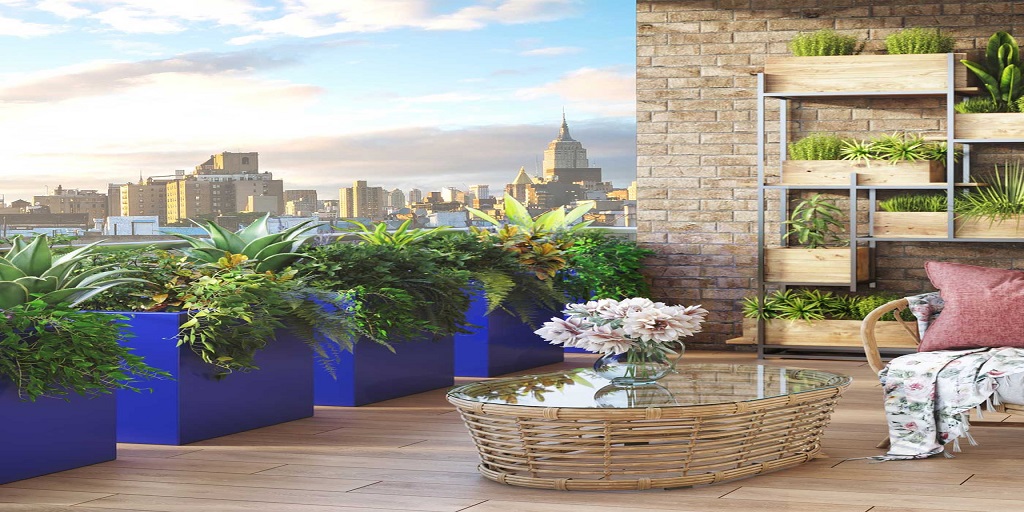
Decorative plants may be green all year round, but they simply don’t offer the same benefits as natural greenery. Indoors, plants filter the air, remove VOCs and other toxins, and release oxygen. Live indoor plants can also regulate humidity, temperature, and ambient volume, making a space feel more welcoming!
Outdoors, natural, living plants can also liven up the scenery and serve as shelter for wildlife such as birds and pollinators – not to mention there’s no comparison between faux greenery and live plants!
But, if you’re thinking about updating your indoor or outdoor planters with real, live specimens, here are a few of which you should be cognizant – they’ll improve your odds of success and satisfaction.
All Plants Have Their Own Unique Nutritional Requirements
Different ornamental plants have vastly different nutritional requirements from each other. Some plants are heavy feeders, and others are not. Fertilizing plants at the wrong time of year can result in fertilizer burn (which can kill them) or even discourage blossoming.
While the holy trinity of nutrients (which all plants need) is nitrogen, phosphorus, and potassium (which together will encourage healthy foliation, healthy roots, and protection against plant-borne illnesses) not all plants feed as heavily on the same nutrients, at the same time of the year, in the same manner.
The best advice we can give is to become familiar with the plants you intend to grow and to feed them fertilizer specifically designed for them, on a schedule that is appropriate for the species – don’t just randomly feed, that can end up harming the plant!
All Different Plants Have Different Requirements for Sunlight
Some (unfortunately) believe that all plants need all the sunlight they can get. Not only can that be expressly harmful to some species – it can burn some, and even kill others.
Just like all different species have their own nutritional requirements, so too do all plant cultivars have their own requirements for how much sunlight they need on a daily or even seasonal basis.
For instance, some plants will do well with 8 hours of direct sunlight during the growing season but can tolerate darker periods during the winter months. Other plants need strong indirect sunlight all year and will burn or even die in direct sunlight.
It is imperative to be aware of each plant’s requirements, before planting!
Some Plants Actually Do Better Indoors
On that note, and it’s a quick one, it’s important to be aware that some plants are so sensitive to fluctuations in temperature and sunlight that they do better indoors than out.
For instance, it’s a better idea to grow the following plants in indoor than outdoor planters:
● Snake plants
● Orchids
● Pothos
● Spathiphyllum
● Dracaena
● Tropical plants that require indirect light and suffer from frequent changes in temperature or humidity
● Some succulents and ferns
Not All Plants Will Flourish in the Same Climates
Finally, one more thing we all wish we knew before starting to grow live plants is that not all plants will flourish in the same climate.
For instance, some plants require warm temperatures and high humidity all year long and bright, direct sunlight – this makes it difficult to grow them, even indoors, in northerly climates. Similarly, some plants flourish best in cool temperatures throughout the year, making it difficult to grow them outdoors at southerly latitudes.
The answer to the problem is simply to be aware of what your climate entails and to do your research before investing in live greenery. You don’t want to put all that time, money, and energy into an investment that won’t flourish!
Set Up Your Plants with High-Quality Indoor and Outdoor Planters
While it’s not as important as observing the previous pointers, it is beneficial to plant your plants in high-quality indoor and outdoor planters that are designed to exhibit high quality. Visit PotsPlantersandMore.com to see a wide range of quality indoor and outdoor plants in various sizes, shapes, designs, and styles.
Many of their planters and pots are made from extremely durable (yet lightweight and weather-resistant) fiberglass and are available with or without drainage holes for shedding excess water, making them perfect for both indoor and outdoor use. Their plant pots are available in many sizes, configurations, and styles, making them perfect as flower pots, fixtures of home decor, or even for a home or office patio, deck, or courtyard.
A picture says a thousand words, though – visit their website for more information. Then, do your research on live plants and get on your way to all the benefits that come with live greenery!