
Corporate events and even trade shows can be used to solidify the impression and value of a brand, bolster customer outreach, team building, and so much more.
But they take a lot of work and planning. It’s a full-time job for event coordinators and a full-time job (and a half) for anyone else who simply wants to plan one!
Be better prepared with this high-level overview of tips and pointers for success.
1. Define objectives
You know what they say: failing to plan is planning to fail. Don’t let it happen to you.
For a corporate event to be successful, you must know what the purpose of it is. Some common objectives are:
● Team building
● Motivating sales staff or customer service representatives
● Training
● Planning to roll out, or communicating, new objectives or initiatives
● Supporting other departments and encouraging collaboration
But this list is not exhaustive. Only you and your company can decide what objective to pursue – just make sure it is well defined.
2. Pick a date and set a budget
Once you set the objectives, you’ll need to pick a date and set a budget so you know just how much you’ll be able to work with.
3. Choose a venue or location
Once you know what your budget cap is, you can settle on a location. Will key members of your company be traveling or will you rent a local venue or event hall?
Perhaps it makes more sense to use your company’s own facilities. Nonetheless, preparing for the constraints of time and place will make everything else easier.
4. Assign responsibilities
Who is going to take care of outreach? Designing and printing any supporting or communicational materials? Will you be hosting guest speakers or team-building facilitators?
Do you need anyone to collect data and compile reports ahead of time?
You can’t do it all, but you can delegate responsibilities.
5. Enlist event badge printing services ahead of time
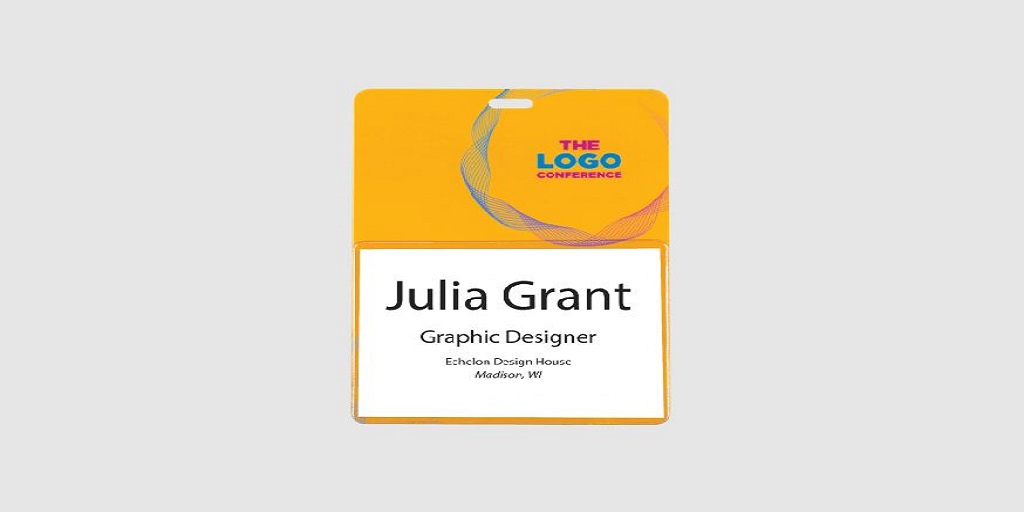
If your event will be hosting any guests or you’ll require special badges to be printed and distributed, make sure you partner with an event badge printing service provider beforehand.
We recommend Imprint Plus (imprintplus.com) to produce your name badges for events. Their customer service team is helpful and approachable and they offer a wide range of high-quality, full-color ID badges and printing services.
6. Promote the event
Once you’ve settled on a goal, assigned responsibilities, and chosen a time and place, you can promote the event on social media, through emails, and using any other outreach methods that your company commonly applies.
Either that or delegate that responsibility to one in your retinue! This will help you gain a better grasp of what sort of attendance numbers you can expect.
7. Outsource to professionals where needed
Understandably, not all responsibilities for planning will fall directly under your purview. Will you be serving drinks or food at the event? Will there be a company raffle, or will you be distributing promotional goods to employees or guests?
You’ll probably need to outsource those responsibilities to professional providers.
8. Evaluate the successes of the day
After the big event has passed, reflect on what went well and what could have gone better. Celebrate your wins but don’t let them take away from the bigger picture, which should be continuous improvement.
Every event can be used as a learning experience for the next one!
