
Creating just the right formulations for makeup, skincare, body care, and other personal products is no easy task. It takes time to do the research and experiment with various samples to see which ones provide the exact experience you want. It needs to be effective and feel great when applied to the skin with a smooth consistency. Before you can create your test products, you first need to research ingredients and determine which ingredients need to be used in order to achieve the desired results. The least we can do to help is to demystify at least one ingredient that you will likely consider using for your products. That ingredient being Carbopol, a substance commonly found in personal care products from a wide range of brands. Let’s break down some of the details around this ingredient to give you a better understanding of how Carbopol can play a role in your products.
What Is It?
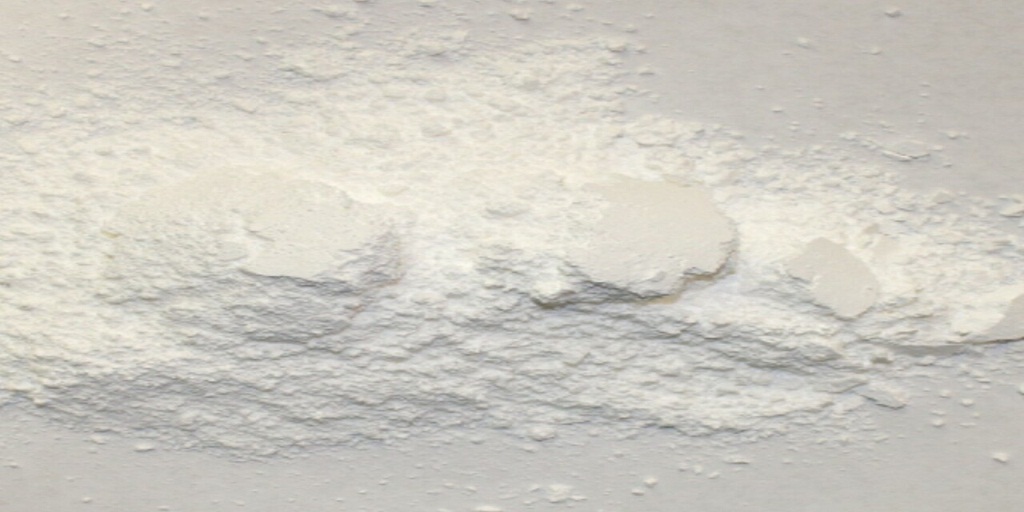
Carbopol, also known by its generic name, carbomer, is a type of polymer largely made from acrylic acid. Alone, it is a fluffy white powder that is not very visually distinct, but when mixed into gels and creams, it makes itself known. It acts as a thickening agent to transform the consistency of the mixture you combined it with. Carbopol can also help to smoothly combine ingredients into an emulsion so that all of them blend together well. It helps to disperse and suspend substances, which prevents the separation of the ingredients.
How Can I Use It?
This is a versatile ingredient that can be used across a wide range of products, so you can use Carbopol to create lots of different personal products. This includes skincare, makeup, haircare, nail products, and body products. It is really up to you to decide when you feel it is appropriate to use in a formula or not. You just have to test out your samples and consider adding them when you need something to disperse the ingredients evenly or to give your product more body. It is also safe to use on all skin types and pairs well with other ingredients, so it is easy to work with.
Now that we have given you a quick rundown of Carbopol and how it can be used in your own personal care products, you should feel more confident with your knowledge of common ingredients in beauty and skincare products. This can then help you to decide whether or not Carbopol is an ingredient you want to try working with and testing out in your newer product formulas. Regardless of whether you use it or not, it is good to have a more well-rounded span of knowledge that you can use now or in the future. This is good information to have if you are trying to create your own products. A great resource to check out if you have not discovered it already is makeyourown.buzz. They provide an incredibly useful selection of ingredients that can be used to create all sorts of personal care products. Take some time to navigate their website and dive in to explore all of the ingredients you may want to use at some point.
