Often called the “green metal,” aluminum is frequently touted for its sustainability and environmental friendliness. But do these claims hold water? Let’s take a look at some facts and figures and then consider whether or not aluminum use around the office can contribute to a greener, more eco-conscious workplace.
One of the main drivers in the sustainable aluminum narrative is associated with aluminum’s recyclability. Indeed, aluminum is the most easily recyclable of all industrial metals. It can be recycled infinitely, and recycling aluminum is 95% more energy efficient than producing new aluminum from raw materials.
In fact, it is estimated that 75% of the aluminum ever produced in the United States is still in circulation. That’s how effectively aluminum can be recycled.
Compared to some other natural, sustainable resources, like timber, aluminum is lighter, stronger, more cost-effective, requires less maintenance, and lasts longer. Additionally, the use of aluminum in construction and consumer goods diminishes deforestation as well.
Processes are also continually evolving in favor of aluminum production. For instance, the aluminum industry today (in the United States) has cut its carbon footprint by half, as compared to three decades ago.
Aluminum is also lighter than other sustainable metals (like steel), many forms of wood (but not all), and some synthetics while remaining stronger. The fact that it is lightweight means it can be more efficiently transported and less fuel is necessary for doing so; this means aluminum is less taxing on the supply chain, too.
Aluminum is also exceptionally resistant to the elements, and investment in aluminum is invariably a long-term one. It is more resistant to corrosion, UV, and of course, microbial factors, than most other metals, all grades of wood, and most if not all plastic polymers.
But what about aluminum and landfills? What happens to aluminum that does get thrown away instead of being recycled?
Aluminum takes anywhere from 200 years to 500 years to break down and return to the environment when it is thrown away; but compared to alternatives and synthetics like HDPE, which can take upwards of a thousand years, this doesn’t sound so bad.
So in many ways, aluminum is one of the most environmentally conscious materials that can be used professionally, industrially, and even domestically, especially when it is used responsibly and recycled at the end of its useful life.
Aluminum in the Office: Personalized Metal Signs and Badges
Aluminum is not just for flatware, cans, and drinkware. There are other creative and practical ways that aluminum can be put to use in and around the office.
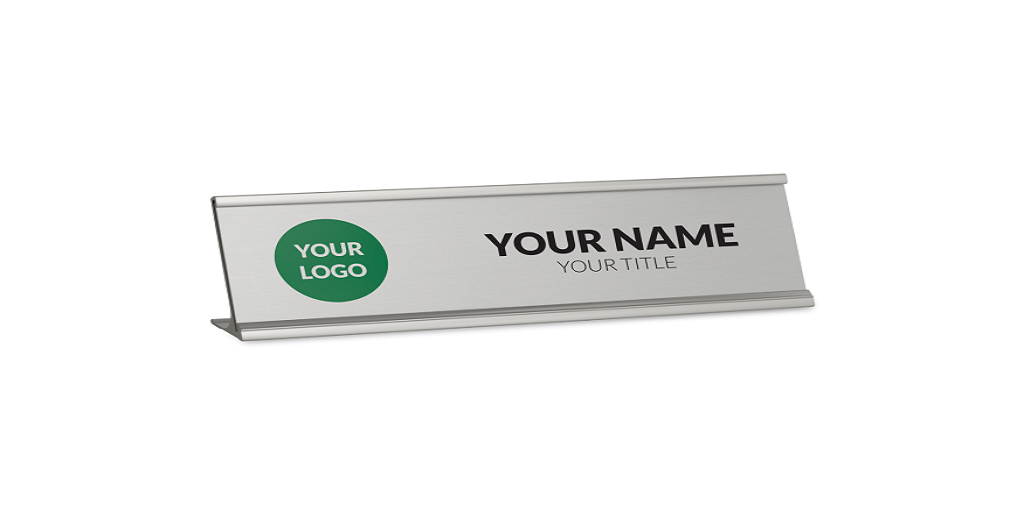
Consider personalized metal signs and professional name badges, which can be used on desks and uniforms to improve employee and client communications, branding, and an overall more professional appeal for your employees.
Create a custom metal sign or design your own metal name badges online at imprintplus.com. They have software that allows you to design your own badges but you can also contact them for assistance to work with a professional.
Higher-quality, more sustainable, custom signs, and name badges are within reach. Visit their website today and start using this eco-friendly material around your office!