
Allowing senior citizens to age in place isn’t just about preserving dignity and the senses of purpose and autonomy. It can improve both mental and physical health by keeping them active and independent.
All the same, millions of older adults experience falls each year, some of which might be considered preventable with a little insight.
Here are some tips for elder-proofing your home (or a loved one’s home) to improve safety.
Improve the Lighting
One of the biggest things you can do to improve the safety of elders around their own homes is to improve the lighting. Look for lighting replacements that offer a higher lumen output – which means they are brighter. Also, consider adding nightlights to bedrooms, bathrooms, and hallways, as well as any other dark areas in the home.
Add Handrails
Adding handrails wherever the home has stairs or ramps can be a great way to help prevent trips, slips, and falls, as well as to provide a steady surface.
Grab Bars in the Bathroom
The simple addition of a grab bar in the bathroom can give elders a place to hold onto, helping to stabilize them when getting into or out of the tub or shower.
Consider an Elder Shower Chair
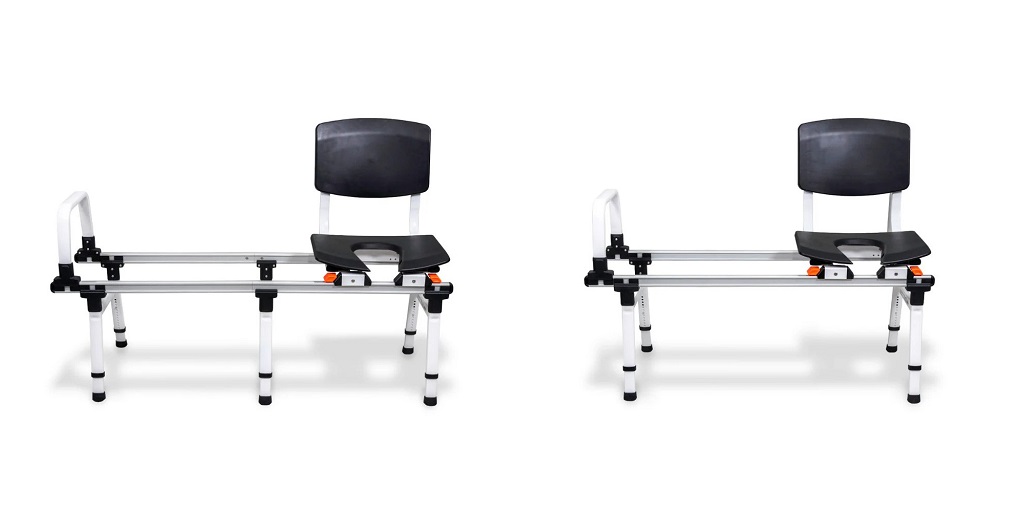
An elder shower chair, like a stationary bathroom bench, can give users a comfortable place to bathe while seated. Even better are elder shower chairs like a transfer benches, which make it easier to get into and out of the tub, helping to prevent slips and falls.
Non-Slip Mats
Tiled surfaces are hazardous when wet. Place down non-slip mats, not only in the bathroom, but in the kitchen and anywhere else in the home where there are tiles. If a substantial portion of the home is tiled, consider redoing the floors.
Elevate the Toilet
Many toilets are too low, which makes them not only non-ergonomic, but hazardous. There are quite affordable elevated rings you can get to raise the toilet seat, making it easier for elderly individuals to sit and stand.
Remove Trip Hazards
This includes carpets that can get pulled up around the edges. Either remove them, or tape or staple them down. Low furniture should also be removed – on the same note…
Eliminate Clutter
Any and all clutters must be removed from all areas of the home, including storage areas. Low items should not be stored on the ground and all freestanding things should be categorized into storage areas or better, placed on shelves about the ground. Nothing should be stored on the ground in any rooms of the home.
If Possible, Circumvent Stairs with Ramps
If you can, add a ramp to the home. It’s not possible in all areas, but many falls happen on the stairs and ramps are easier for those with limited mobility conditions, or who are simply aging in place, to navigate.
Safer Living for Elders Starts Today
Many of these adjustments to a home can be made at no cost to you (such as removing trip hazards and eliminating clutter) but they can improve the safety of your home in a big way. Start here and start making changes to your home for the better.
