
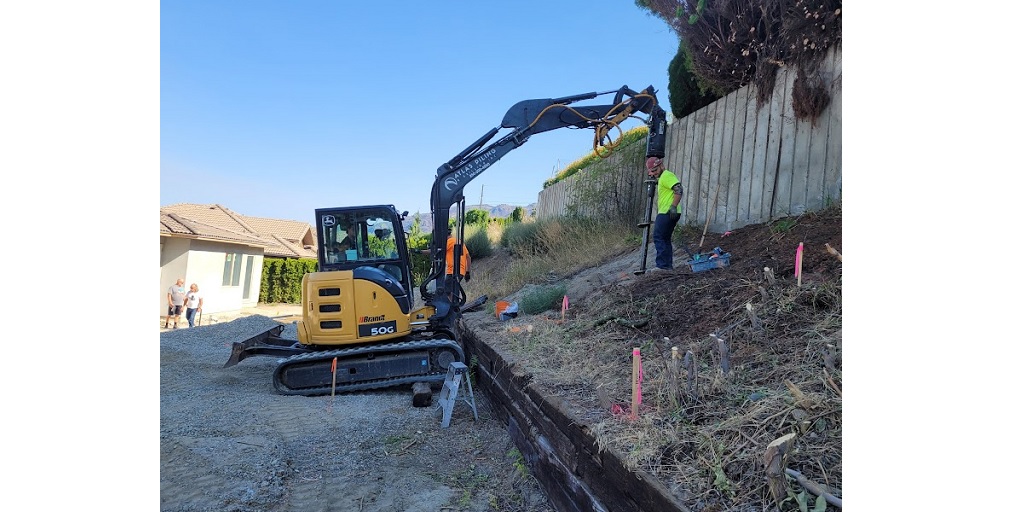
When it comes to foundation solutions for construction, helical piles offer a versatile and effective choice. One crucial aspect of designing a foundation with helical piles is understanding how to calculate the loads they can support. This process ensures that the foundation will be stable and capable of handling the pressures exerted by the structure it supports. Here’s a comprehensive guide to help you navigate the load calculation for helical piles.
The Basics of Helical Piles
Helical piles, also known as helical piers, are a type of deep foundation system. They consist of a steel shaft with one or more helical plates, or “helix,” that are screwed into the ground. These piles transfer the load from the structure to deeper, more stable soil layers. Their design allows them to be installed quickly and with minimal disruption to the surrounding area.
Factors Influencing Load Capacity
Several factors affect the load-bearing capacity of helical piles. Understanding these factors is essential for accurate load calculations.
- Soil conditions. The type and condition of the soil where the helical piles are installed play a significant role in determining their load capacity. Soil tests are crucial for assessing soil strength, including parameters such as soil type, density, and moisture content. These tests help engineers choose the appropriate helical pile size and configuration.
- Pile design. The design of the helical pile, including the size and number of helices, impacts its load capacity. Larger helices or multiple helices can distribute the load more effectively across a greater soil area. Engineers must consider the pile’s diameter, length, and the spacing between helices to ensure it meets the required load-bearing criteria.
- Installation depth. The depth at which helical piles are installed affects their performance. Piles need to reach a depth where the soil has sufficient strength to support the load. The installation process involves drilling and screwing the pile into the ground until it reaches the required depth. Proper depth ensures that the pile is anchored in a stable soil layer.
Calculating Load Capacity
The process of calculating the load capacity of helical piles involves several key steps:
- Soil testing and analysis. Begin by conducting soil tests to gather data on soil strength and characteristics. This information is used to estimate the load-bearing capacity of the soil and determine the appropriate helical pile specifications.
- Load calculation. Engineers use the data from soil tests to calculate the load capacity of the helical piles. This involves applying formulas and methods that take into account soil strength, pile dimensions, and installation depth. Load calculations ensure that the helical piles can support the weight of the structure safely.
- Safety factors. To account for uncertainties and variations in soil conditions, engineers incorporate safety factors into their calculations. These factors provide a margin of safety to ensure that the helical piles will perform reliably under expected loads.
Proper load calculation for helical piles is essential for ensuring the stability and safety of a foundation. By carefully considering soil conditions, pile design, and installation depth, engineers can accurately determine the load-bearing capacity of helical piles. This process not only helps in designing a robust foundation but also contributes to the overall success of construction projects.
Understanding and applying these principles will lead to effective use of helical piles and a stable foundation that meets all necessary load requirements.
