
Designing a kitchen island is an exciting project, but common mistakes can undermine its functionality. So before you start turning your dream kitchen to reality, you need to check the following to avoid these frequent design pitfalls, ensuring your island is as practical as it is stylish.
Get the Dimensions Right
One of the most overlooked elements in kitchen island design is clearance. To move comfortably around an island, allow at least 36 inches of clearance on all sides with no doors, drawers, or appliances opening into this space.
If your island faces cabinetry or appliances, especially with doors or drawers that open, increase the clearance to 42-48 inches. This ensures that open doors or drawers don’t obstruct movement. This also ensures that you have space for opening your kitchen island cabinets without scrimping for space.
While large kitchens may tempt you to put a lot of space around the island, too much distance can hinder efficiency. Keep the work zones within a 3 to 5-step triangle to reduce unnecessary movement. This classic “kitchen triangle” approach promotes a more ergonomic workflow, especially when transporting hot items.
Provide Adequate Seating and Comfort
For comfortable seating, each person needs about 18-24 inches of width at the counter. If the island serves as a dining area, consider giving each person 24-30 inches of space.
Stools without backs or footrests can be uncomfortable, especially for extended periods. Look for stools with supportive backs and footrests to make seating more enjoyable. The added comfort will make the island a more inviting place for family and friends.
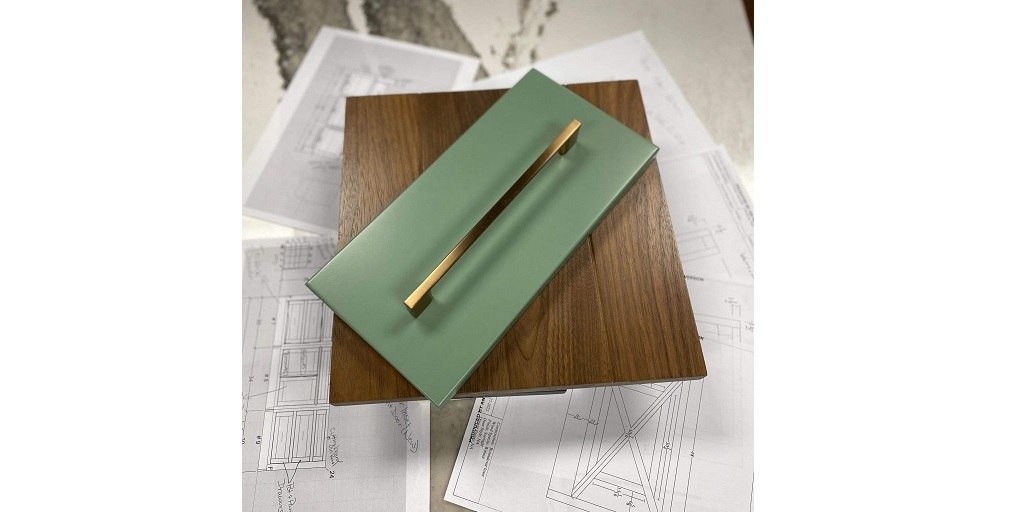
Islands often accumulate scuff marks from foot traffic, especially from children who rest their feet on the overhang. To minimize this, either extend the overhang or choose durable materials like walnut that can withstand more wear. This will help reduce the need for frequent cleaning and maintenance.
Plan for Island Functionality
Your kitchen island’s functionality should align with its purpose. If the cooktop is on the island, you’ll likely want drawers for utensils and oven mitts nearby. If it includes a sink, place the silverware and dishwasher close by for easy unloading.
Planning storage options such as kitchen island cabinets to match how you’ll use the island enhances its efficiency and makes daily tasks smoother.
You can also add outlets in your kitchen island, as they are a necessity, both for code compliance and for usability. However, poorly placed outlets can ruin the aesthetics. Plan outlets strategically with the cabinet manufacturer to hide them in less noticeable areas, such as behind decorative posts or in concealed panels.
Avoid placing pop-up outlets on the island’s surface, as they can be challenging to keep clean and may detract from the overall look. If your island is single-tier, consider adding outlets discreetly along the sides or in less visible spots.
Balance Style and Functionality
While aesthetics matter, the island should first meet functional needs. Focus on practical cabinetry and storage solutions before adding decorative elements. This approach ensures the island supports your cooking and socializing needs while still looking stunning.
A kitchen island can be the centerpiece of your kitchen, blending style and utility. When you align style, storage, and functionality, you can avoid common design problems. The result will be a beautiful, functional space that truly elevates your kitchen experience.
