
Foundations are the backbone of any structure, providing the necessary support to ensure stability and longevity. When selecting the best foundation type, engineers and builders consider various factors including soil conditions, load requirements, and environmental impact. Two primary types of foundations that are often compared are helical pile foundations and traditional foundation methods.
This blog will explore the differences, advantages, and applications of these foundation types to help you make an informed decision.
Understanding Helical Pile Foundations
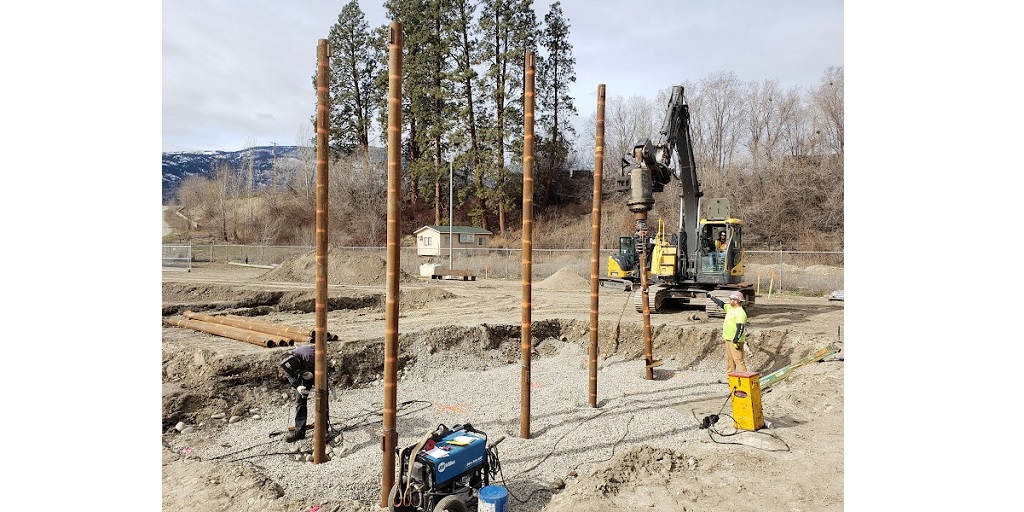
Helical pile foundations, also known as screw piles, are deep foundation solutions that have gained popularity for their versatility and efficiency. These foundations consist of steel shafts with helical plates that are screwed into the ground. The installation process involves rotating the helical pile into the soil using hydraulic machinery, making it a quick and minimally invasive method.
Advantages of Helical Pile Foundations
Speed and Efficiency: One of the most significant advantages of helical pile foundations is the speed of installation. Unlike traditional methods that require extensive excavation and curing time for concrete, helical piles can be installed quickly, significantly reducing project timelines.
Minimal Disruption: Helical piles cause minimal disturbance to the surrounding environment. They produce less vibration and noise compared to traditional methods, making them ideal for projects in urban areas or sensitive environments.
Versatility: Helical piles are suitable for a wide range of soil conditions and can be used in various applications, from residential buildings to large commercial structures. They are particularly effective in poor soil conditions where traditional foundations might struggle.
Load-Bearing Capacity: Despite their seemingly small size, helical piles offer high load-bearing capacity. They are designed to transfer structural loads efficiently to deeper, more stable soil layers.
Exploring Traditional Foundation Methods
Traditional foundation methods encompass a range of techniques, including shallow foundations like spread footings and deep foundations such as driven piles and drilled shafts. These methods have been used for centuries and remain the go-to choice for many construction projects.
Advantages of Traditional Foundation Methods
Proven Track Record: Traditional foundations have a long history of successful applications. Their design principles are well-understood, and they have been extensively tested in various scenarios.
Material Availability: Materials used in traditional foundations, such as concrete and steel, are widely available and standardized. This availability can simplify the supply chain and reduce costs in some regions.
Flexibility in Design: Traditional methods offer significant flexibility in design. Engineers can tailor the foundation type and size to meet specific project requirements and site conditions.
Cost-Effectiveness for Large Loads: For projects involving extremely heavy loads, traditional foundations, particularly deep foundations like drilled shafts, can be more cost-effective due to their robust design.
Comparing Helical Piles and Traditional Methods
When deciding between helical piles and traditional foundation methods, several factors should be considered:
Site Conditions: Helical piles are advantageous in areas with poor soil conditions or restricted access where traditional methods would be challenging or costly to implement.
Project Timeline: If speed is a critical factor, helical piles offer a distinct advantage due to their quick installation process.
Environmental Impact: For projects in environmentally sensitive areas, the minimal disturbance caused by helical piles makes them a more sustainable choice.
Cost Considerations: While helical piles can reduce overall project costs by shortening timelines and minimizing site disruption, traditional methods may be more economical for large-scale projects requiring substantial load-bearing capacity.
Structural Requirements: The specific load requirements and design criteria of the project will also influence the choice of foundation. Helical piles are excellent for moderate to high loads, whereas traditional methods can be more suitable for extremely heavy loads.
How Atlas Piling Can Help You
Atlas Piling specializes in providing high-quality helical pile foundation solutions. With their expertise and state-of-the-art equipment, they ensure efficient and reliable installations tailored to your project’s specific needs. Trust Atlas Piling for durable, cost-effective, and environmentally friendly foundation solutions.
