
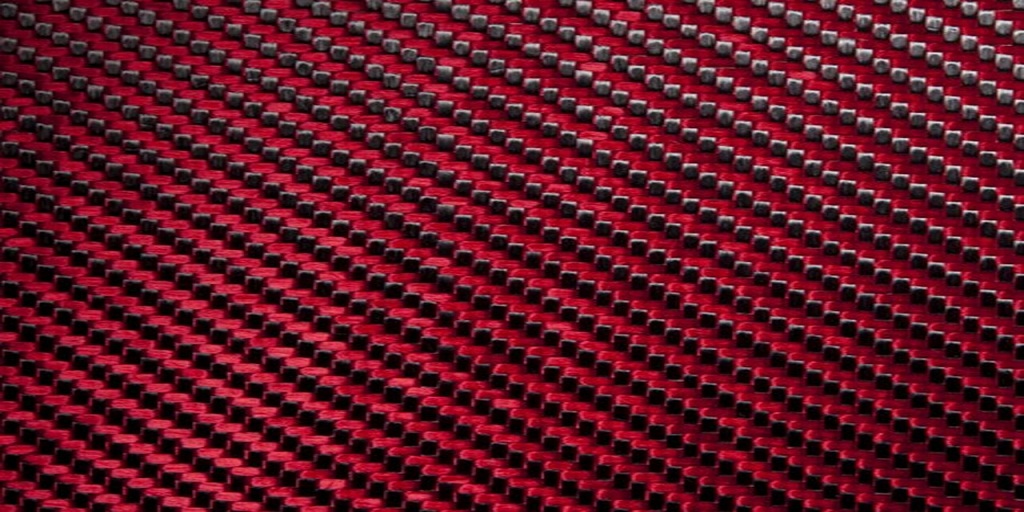
Carbon fiber is the super material of the century. It has incredible properties that make it perfect for a huge number of applications. Its strength-to-weight ratio makes it preferable to other high-quality materials such as steel, aluminum, and titanium.
Carbon fiber is extremely rigid, making it a favorite for precision-dependent applications, but also flexible enough to be molded into an infinite number of shapes.
However, carbon fiber is an expensive raw material. Workshops and manufacturers know that carbon fiber cutting is challenging and, if done wrong, can render your piece useless for the intended application.
That’s why it is important to know how to correctly cut your pieces and make sure you end up with parts that deliver the tight tolerances necessary for high-quality end products.
Some of the problems you can face when cutting carbon fiber are.
Delamination
Delamination happens when your cut is not clean and the inner core of the carbon fiber shows. You can identify delaminated pieces by a line in the outer skin that looks like a thin white paper with a dark core.
The only way to fix this kind of damage is going back to your workbench and re-cutting the piece from the beginning, making sure to go slowly and cut with a smooth motion.
Burring
Burring happens when your cut is dirty or incomplete. It looks like a dark line running across the piece that is being cut and can also be identified by a hissing noise as you cut, which indicates that you are not cutting correctly.
The only solution to this problem is going at it again from the beginning, this time paying more attention to the cut and making sure to go slower if necessary.
Fraying
One of the special characteristics of carbon fiber is its anisotropic properties. This means that it behaves differently on the 0° and 90° axes. When you cut a part with fibers aligned one way, like they usually are on the outer skin (90°), and then try to cut along those fibers (0°), they will fray, creating small strands.
These pieces can be detected when you are cutting because they make a very distinct sound that is different from the normal fraying noise, and most of the time what happens with these sorts of pieces is that they either end up having too much material where they fray or none at all. The only solution to this problem is getting the right tool for the job.
Tool selection is crucial. For carbon fiber pieces you will need to use a water-cooled blade with Ultra-High Molecular Weight Polyethylene (UHMW) on top of it. Avoid using any other type of blade on your machine.
Overheating
Overheating happens when your cut takes too long or if you are not paying close enough attention to the speed of the blade. When this happens, instead of cutting cleanly through the material, it ends up melting and smearing over itself. This is easily identifiable by a gray shiny line on top of your piece.
The only solution to this problem is going again from the beginning, paying close attention to your speed and making sure you are lightly spraying water on top of your piece.
This is by no means an exhaustive list of problems you may encounter when cutting carbon fiber. However, if you follow our advice, you will prevent material waste and part scrapping, or might even get high-quality finishes for your finished products. If you have questions about how to perform high-quality carbon fiber cutting, contact Protech Composites today. Their incredible support team is always willing to answer questions regarding carbon fiber products and their use for any project you can imagine.
