
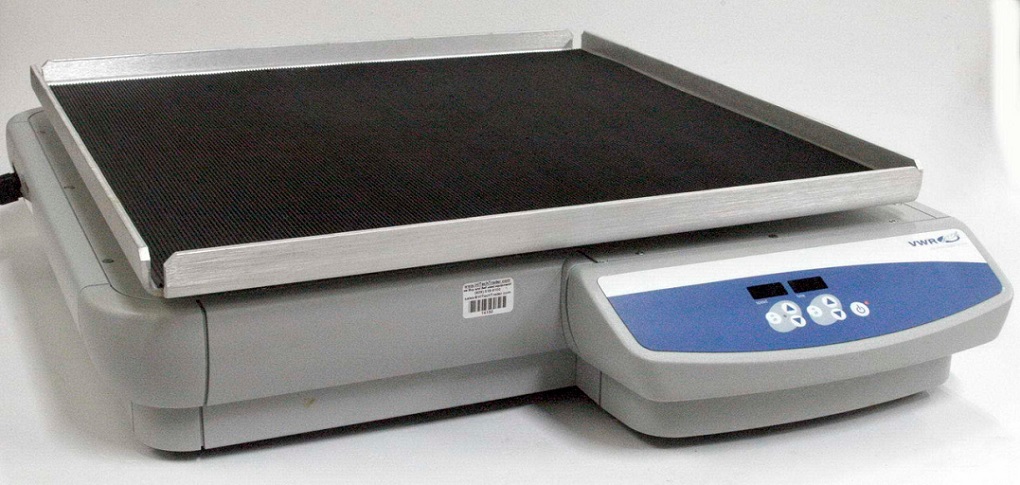
Finding the right laboratory equipment can be a headache, especially when precision and reliability are non-negotiable. Accurate diagnostics depend heavily on the quality of your medical laboratory instruments. This guide will help you identify key instruments, understand common hazards, and choose equipment that meets your needs while ensuring safety and efficiency in your lab.
Understanding the Basics of Medical Laboratory Instruments
Medical laboratory instruments include a variety of devices like microscopes, centrifuges, and spectrophotometers. Each tool plays a specific role in the diagnostic process. Using and maintaining these instruments properly is essential to ensure they deliver accurate and reliable results.
Common Hazards in the Laboratory
Working with medical laboratory instruments comes with its share of risks. The most common hazards are often related to equipment powered by electricity, devices for compressed gases, and those operating under extreme pressures and temperatures.
Electromagnetic radiation from lasers and radio-frequency devices also pose significant risks. Additionally, seemingly mundane hazards like slips, trips, falls, and injuries from rotating equipment are prevalent in laboratories.
One of the most frequent injuries in the lab involves the hands. Therefore, using appropriate gloves to protect against electrical, thermal, and chemical burns, cuts, and punctures is essential. Ensuring that the laboratory is equipped with proper safety gear and that all personnel are trained in its use can significantly reduce these risks.
The Role of Medical Laboratory Instruments in Diagnostics
In health institutions, the linchpin of diagnostic work is often the humble medical laboratory instrument, without which diagnosis would be a shot in the dark. Reliable health data doesn’t materialize out of thin air; rather, it’s the advanced tools at doctors’ disposal that grant a window into patients’ wellbeing.
Beyond the pristine lab benches and neat instruments, lurks a lesser-known reality: a Pandora’s box of hazards, including biohazards, corrosive chemicals, radioactive contaminants, mechanical malfunctions, and fires. Protecting people and the planet demands more than just luck – it requires putting solid risk management plans in place to prevent accidents and oversights.
Finding the Right Laboratory Equipment
Selecting the right medical laboratory instruments is a key step in ensuring efficient and accurate laboratory work. Here are some tips to guide you in making the best choice:
1. Assess Your Needs
Determine the specific requirements of your laboratory. What types of tests are most frequently conducted? What is the volume of samples processed daily? This will help in choosing instruments that match your workload and testing needs.
2. Consider Quality and Reliability
High-quality instruments from reputable manufacturers are essential for obtaining accurate results. Reliability is also crucial, as frequent breakdowns can disrupt laboratory operations and delay diagnostic processes.
3. Evaluate Safety Features
Ensure that the instruments have built-in safety features to minimize risks. Look for equipment that complies with safety standards and provides adequate protection against common hazards.
4. Budget Considerations
While quality should not be compromised, it’s also important to stay within budget. Look for cost-effective options that offer the best balance between quality and affordability.
5. After-Sales Support and Maintenance
Choose suppliers who offer strong after-sales support and maintenance services. Regular maintenance is vital to keep the instruments in optimal working condition and extend their lifespan.
Risk Management in the Laboratory
Implementing risk management techniques is crucial when handling medical laboratory instruments. Here are some strategies to consider:
- Regular Training. Ensure all laboratory personnel are regularly trained on the proper use of equipment and safety protocols.
- Routine Inspections. Conduct regular inspections of all laboratory instruments to identify and address any potential hazards.
- Emergency Preparedness. Have a clear emergency plan in place for dealing with accidents and equipment malfunctions.
- Proper Waste Disposal. Follow guidelines for the safe disposal of biological and chemical waste to prevent environmental contamination and health risks.
- Ergonomic Practices. Implement ergonomic practices to reduce the risk of musculoskeletal injuries among laboratory staff.
Selecting the right medical laboratory instruments and following risk management practices are essential for a safe and efficient laboratory environment. For cost-effective options that meet all your experimental needs, check out HiTechTrader’s biotech-life-science lab equipment.
