
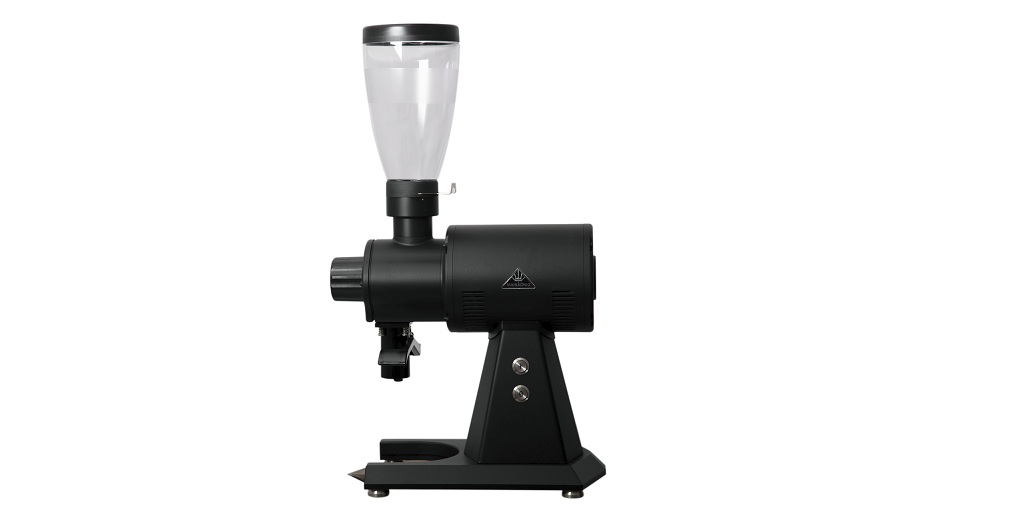
If the quality of coffee your shop serves is the lifeblood of your cafe, the commercial coffee grinder is the heart. The quality of the commercial grinder you end up purchasing will have the largest impact on the consistency of your batch brew or espresso and be the difference-maker in your efficiency.
That said, there are numerous facets and features of commercial grinders that impact their ability to deliver under continuous volume demands, day in and day out. Here are some of the most important things to keep in mind.
Size and Power Size and power are among the most important things you’ll need to evaluate in a commercial coffee grinder, both because the grinder will need to be able to deliver according to your demands and because your shop should be able to easily accommodate it.
Things to consider include:
● Will the grinder in question easily fit on your counter?
● Does each electrical circuit meet the required amps for running your grinders?
● How big is the hopper?
● What are the burr size and motor speed?
● What grind settings does the grinder offer?
● For espresso, what type of work flow do you require? Grind by weight or grind by time?
It is important also to consider your average order volume during the course of a day to make sure the machine in question will scale with your shop’s operations.
Burrs: Material, Size, Type
Burrs are the toothed components of the coffee grinder that do the actual grinding. Most commercial coffee grinders are burr grinders that have either conical or flat burrs.
Conical burrs are gravity fed and grind at a slower speed. With the conical burr design you have greater variance in particle size, creating a heavier, grittier, more traditional espresso.
Flat burrs are powered by a faster motor and are fed by centrifugal force. They can grind coffee beans quickly and efficiently while producing extremely consistent particle size. With this consistency comes a flavor profile of greater clarity and balance.
While Conical Burrs are often desired for the traditional “old-school” espresso profile, flat burrs are best suited for filter coffee grinding or longer, sweeter espresso shot profiles.
Size, in addition to burr type and material, can impact the economy with which the grinder operates. For instance, if speed is a concern, then choosing a commercial coffee grinder with larger burrs can help, especially with conical burrs. They are slower than flat burrs, but the larger burr size can compensate for this.
Dosing Chambers vs. Doserless Grinders
Years ago, commercial espresso grinders often featured dosing chambers. These are compartments into which the grinder discharges ground espresso for dosing later when needed.
The drawbacks to this are many, most notably, you are “pre-grinding” coffee long before dosing and extracting your shot of espresso. This results in stale, watery shots lacking flavor and texture. Additionally, dosing clumps of ground espresso into your portafilter is incredibly imprecise. Nowadays espresso grinders can grind on-demand, either by time or by actual weight in grams.
For More Information on Commercial Coffee Grinders
These are some of the most important features to consider when you’re looking for a new commercial coffee grinder for your shop. For more information on features and top brands such as Mahlkonig and Hey Cafe, visit Visions Espresso online at VisionsEspresso.com.
They carry a wide range of commercial grinders, espresso machines, and other must-haves for cafes and coffee shops. Visit their website today or get in touch with them directly at Hello@VisionsEspresso.com for more information.
