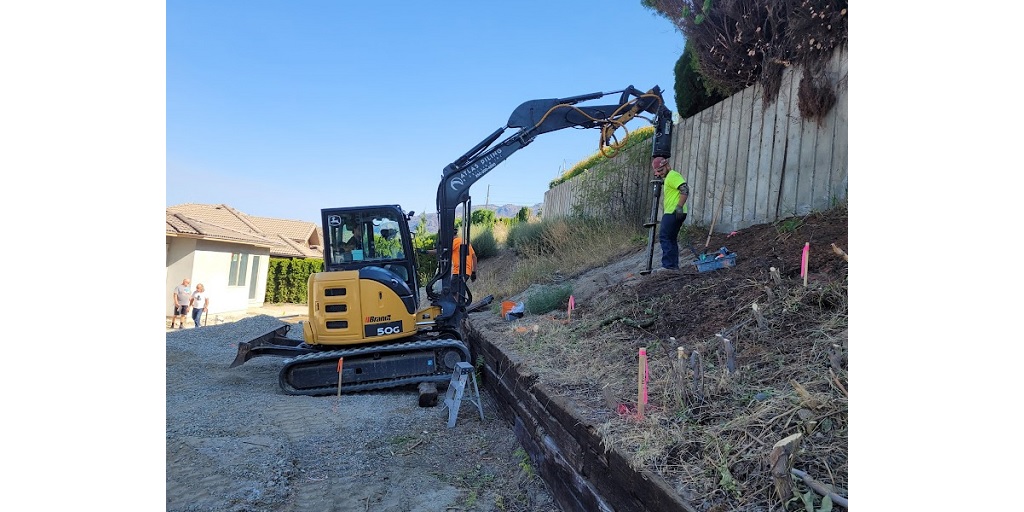
Helical screw piles, also known as helical piers or anchors, are a type of deep foundation system used to support various structures, from residential buildings to large commercial projects. These piles are designed with helical (spiral) plates attached to a central shaft, which allows them to be screwed into the ground much like a screw into wood. This innovative design provides a robust and efficient solution for foundation needs, particularly in challenging soil conditions.
The use of helical screw piles dates back to the early 19th century, initially for lighthouse foundations and later expanded to a wide range of applications. Today, they are a preferred choice for many engineers and contractors due to their versatility, cost-effectiveness, and minimal environmental impact.
Advantages of Helical Screw Piles
Versatility and Adaptability
One of the primary advantages of helical screw piles is their versatility. They can be used in a variety of soil types, including sand, clay, and even permafrost. This adaptability makes them suitable for different geographical locations and project requirements. Additionally, helical screw piles can be installed in both tension and compression, making them ideal for structures that need to withstand uplift forces, such as retaining walls and communication towers.
Rapid Installation and Minimal Disruption
Helical screw piles are known for their quick and straightforward installation process. Since they do not require excavation or extensive site preparation, they can be installed with minimal disruption to the surrounding environment. This is particularly beneficial in urban areas where noise and construction activity need to be kept to a minimum. The installation process is also less weather-dependent compared to traditional concrete foundations, allowing projects to proceed without significant delays.
Environmental and Cost Benefits
From an environmental perspective, helical screw piles have a smaller carbon footprint compared to traditional foundation methods. The reduced need for concrete and the minimal soil displacement mean less environmental impact. Furthermore, the piles are often made from recyclable materials, enhancing their sustainability credentials.
Cost-wise, helical screw piles can be more economical than conventional foundations. The reduced labor and equipment costs, combined with faster installation times, contribute to overall project savings. Additionally, because they can be installed in all weather conditions, projects can avoid costly delays.
Applications of Helical Screw Piles
Residential and Commercial Construction
In residential construction, helical screw piles are commonly used for new builds, extensions, and underpinning existing structures. They provide a stable and reliable foundation that can be adjusted or extended if necessary, offering flexibility for future renovations or expansions.
In commercial settings, helical screw piles are utilized for office buildings, warehouses, and other large structures. Their ability to handle heavy loads and their adaptability to various soil conditions make them an excellent choice for commercial projects. Moreover, their rapid installation means less downtime for businesses, contributing to efficient project timelines.
Infrastructure and Industrial Projects
Helical screw piles are also integral to infrastructure and industrial projects. For example, they are used in the construction of bridges, railways, and pipelines, where they provide foundational support in challenging terrains. Their ability to withstand dynamic loads makes them suitable for wind turbines, solar panels, and other renewable energy installations.
In the oil and gas industry, helical screw piles are employed for pipeline supports and oil rig foundations. Their robustness and reliability in harsh conditions ensure the safety and stability of critical infrastructure.
Choosing the Right Helical Screw Pile System
Selecting the appropriate helical screw pile system involves considering several factors, including soil conditions, load requirements, and project specifications. It is essential to conduct thorough geotechnical investigations to determine the soil’s characteristics and ensure the chosen pile system will perform effectively.
How Atlas Piling Can Help You
Atlas Piling specializes in the installation and design of helical screw pile systems, offering expert solutions tailored to your project needs. With a team of experienced professionals and state-of-the-art equipment, Atlas Piling ensures efficient, cost-effective, and reliable foundation solutions for residential, commercial, and industrial projects. Trust Atlas Piling to provide the stability and support your project demands.