
The TL;DR version is yes. However, this deserves an explanation as many factors affect the process of machining aluminum workpieces, and tools are only a piece in the puzzle.
The best end mills for aluminum are made of carbide because it has the right balance of hardness and toughness to withstand the forces involved in machining this material. Carbide is also very resistant to wear, meaning it can be used to machine aluminum for a long time without needing to be replaced.
These capabilities are mainly the result of a combination of unique properties of this composite material. In particular, the extreme hardness of the tungsten carbide particles and the toughness of the cobalt matrix makes it an excellent choice for machining aluminum.
Carbide has proven to be rigid enough to provide increased accuracy at higher speeds. Flexible bits, like those made of steel, tend to wobble at high RPMs, increasing the probability of chatter. Steel has a much lower temperature tolerance, which usually means your operation will be severely limited in terms of productivity. On the other hand, carbide allows you to create more aggressive toolpaths with faster feeds, without the fear of damaging your bits.
So, while other materials could be used to make end mills for aluminum, carbide is still the best option due to its combination of hardness, toughness, and wear resistance.
While carbide is undoubtedly a great material for end mills for aluminum, there are other factors to consider as well. The speed and feed rate that you use when machining aluminum is important, as is the type of tool coatings that you use. In addition, the shape and size of the end mill also play a role in how well it performs when machining aluminum.
Titanium aluminum nitride coatings are very popular when milling metals and hardened materials. They provide increased heat deflection properties, decrease friction coefficients, and are “activated” when they reach certain temperatures, creating a protective aluminum oxide coat around them that is also self-regenerating.
However, this coating is not recommended when machining aluminum. The high temperatures generated by the cutting process can cause the aluminum oxide to react with the workpiece, leading to a degradation of the coating and a decrease in tool life. Moreover, the effect can cause the chips to weld inside the flutes, ruining your end mill forever.
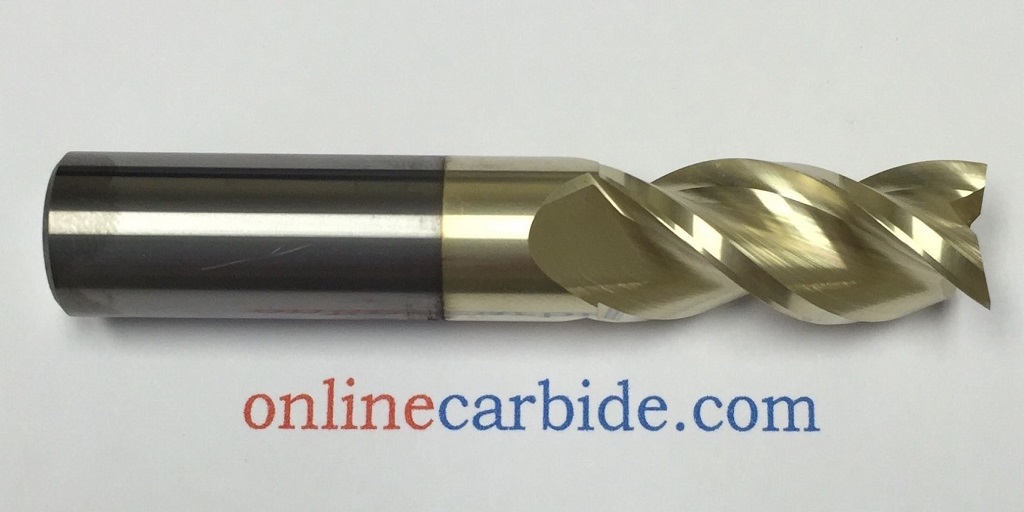
That’s why ZRN-coated carbide tools are among the most popular end mills for aluminum. This coating has low reactivity with aluminum, meaning the chips can flow freely and the end mill will last longer, without the fear of ending up with chips lumping inside the flutes.
However, none of this matters if you buy tools from suppliers with dubious pedigree. Crafting adequate carbide tools that can provide the promised performance requires incredibly high standards in quality control and environmental protocols. Online Carbide is among the best carbide tool manufacturers in North America, offering incredibly reliable end mills for aluminum at unbeatable prices. Visit their website today and find more about their professional high-performance machining tools.
